By Mike Finger | San Antonio Express-News (SAEN), 2026-08-15 15:45:15
起初,这看起来像是一个疏忽。在上周NBA公布赛程后的几分钟内,就有眼尖的球迷发现了一个明显的冲突,有人甚至质问为什么主管人员没有发现这个问题。
他们纳闷,到底是谁搞砸了,竟然让马刺在奥斯汀与德克萨斯大学的美式橄榄球比赛以及世界上最盛大的赛车比赛之一撞车,在同一个周末去争夺眼球、酒店房源和娱乐消费?
事实上,这既不是失误,也不是巧合。就像马刺自最初在法国布雷斯地区布尔格一个空旷的体育馆里发现15岁的维克托·文班亚马 (Victor Wembanyama)以来所做出的每一个微小决定一样,这背后显然深有用意。
尽管这种意图偶尔——且完全可以理解地——会让一些圣安东尼奥当地人感到有些不快。
但你无法指责马刺没有为每一个潜在的问题做好规划。
甚至是那些他们“甜蜜的烦恼”。
让我们先从10月23日在奥斯汀穆迪中心对阵休斯敦火箭队的比赛说起,这恰好是自马刺打进总决赛以来的第二场常规赛主场比赛。对于那些在长达七年的季后赛荒中一直购买霜冻银行中心门票、苦苦等待突破的球迷来说,这显然不够理想。
在一次带来巨额收入的季后赛之旅的余晖中**——**更不用说贝克萨尔县选民在去年11月通过了球馆融资计划——对于当地人来说,球队在将比赛移师奥斯汀之前,甚至无法在圣安东尼奥安排接下来的两场比赛,这难道不让人感到有些恼火吗?
的确如此。但马刺的考量正是源于他们的成功。这在很大程度上要归功于文班亚马,他们现在已经是一个全球性品牌,想必能吸引与一级方程式(F1)赛车相同的赞助商。考虑到这一点,在举办F1赛事的同一座城市打一场常规赛并不是冲突,而是一个营销契机。
显然,如果奥斯汀美洲赛道的比赛能在3月甚至11月中旬举行,效果会更好。而且,如果不是因为马刺在1月份前往法国和英国打比赛,导致霜冻银行中心在同年又失去了一个主场,圣安东尼奥的球迷或许会更容易接受这第三个奥斯汀主场日。
但回到“甜蜜的烦恼”这一概念——如果没有文班亚马,马刺就不会在三年内第二次重返欧洲。如果不是斯蒂芬·卡斯尔 (Stephon Castle) 和迪伦·哈珀 (Dylan Harper) 正在崛起,成为能与文班亚马和达龙·福克斯 (De’Aaron Fox) 并肩作战的顶薪级超值新星,他们也无需去琢磨如何应对暴涨的薪资总额。
当然,马刺在这里完全没有理由哭穷。圣安东尼奥远非联盟中最大的媒体市场,但赢球对财务收益的提升是惊人的。根据上周向证券交易委员会提交的一份文件,纽约尼克斯队的母公司报告称,在包含去年春天季后赛的财政季度中,其创造了2.787亿美元的收入,并且今年季后赛的收入比2025年打进东部决赛时还多出了6670万美元。
诚然,圣安东尼奥不是纽约。而且与尼克斯不同,马刺这次并没有通过NBA总冠军周边商品大赚一笔。但可以合理推测,马刺的老板们赚得盆满钵满,未来几年在给卡斯尔和哈珀开出合同的时候,绝对用不着去翻沙发缝找零钱。
尽管如此,这依然是一个时刻试图比潜在隐患领先一步的组织。毫无疑问,如果市议会周一决定将圣安东尼奥出资的部分付诸公开投票,马刺已经为如何应对新一轮球馆融资选举做好了备用计划。
尽管在任何情况下,马刺永久搬迁到奥斯汀都是不可想象的——在那里他们肯定会面临德克萨斯大学长角牛队这一体育巨无霸的排挤,而且当地对于用公共资金资助NBA球馆也没有多大兴趣——但继续维系与奥斯汀的关系依然是明智之举。
因此,尽管当地的马刺球迷对于他们心爱的球队沿着州际公路北上迁移主场比赛、甚至大洋彼岸感到理所当然的焦虑,但这总好过另一种局面。
那就是,即使他们心爱的球队想尽办法,也无法在州际公路另一端或大洋彼岸卖出一张门票。
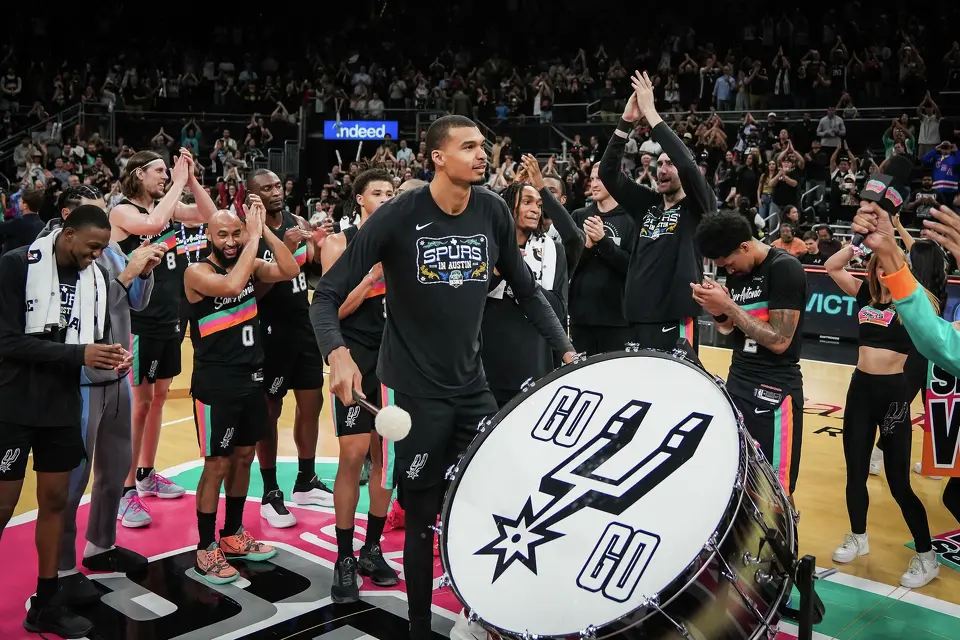
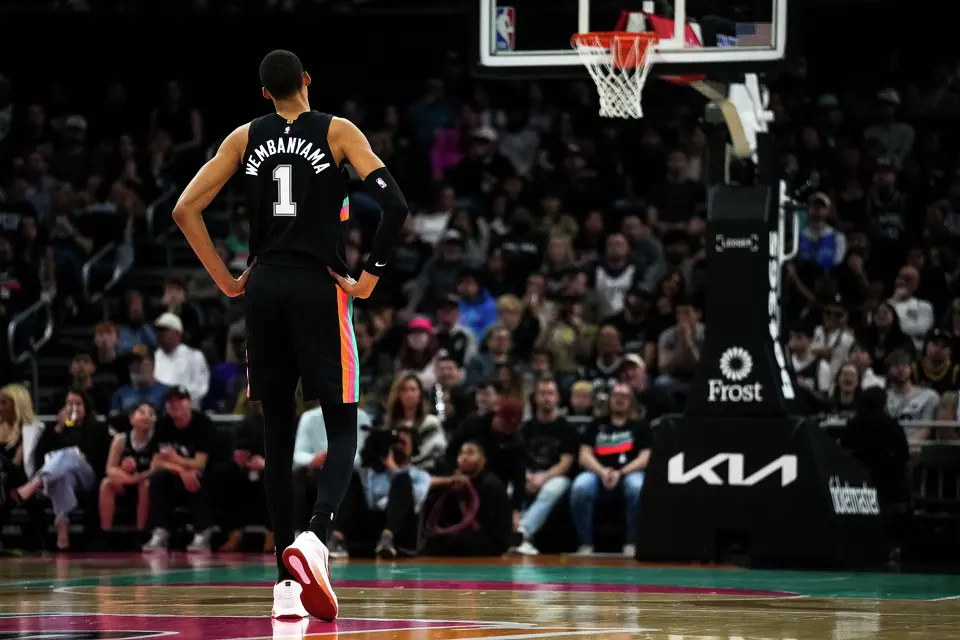
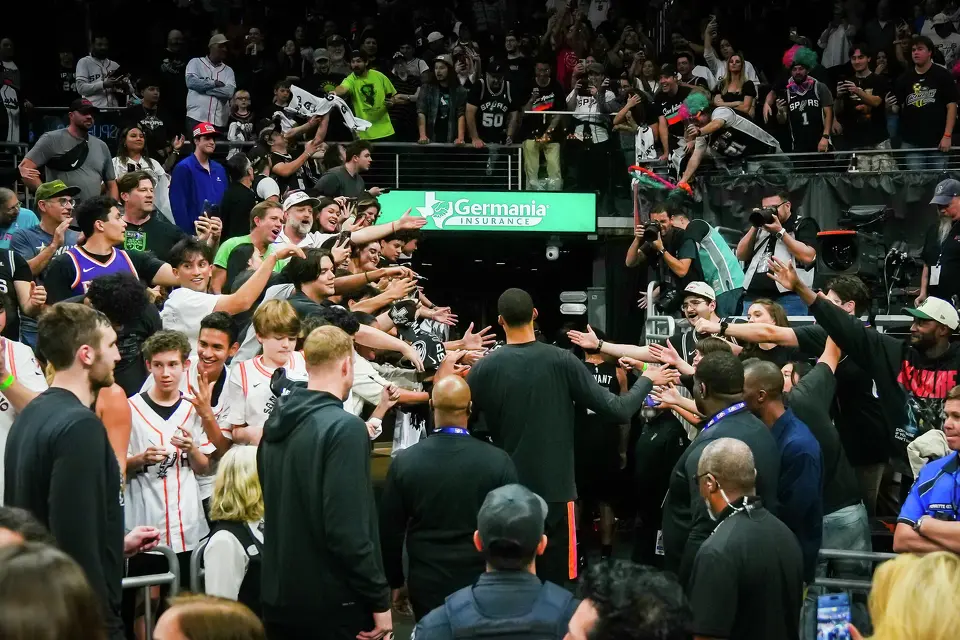
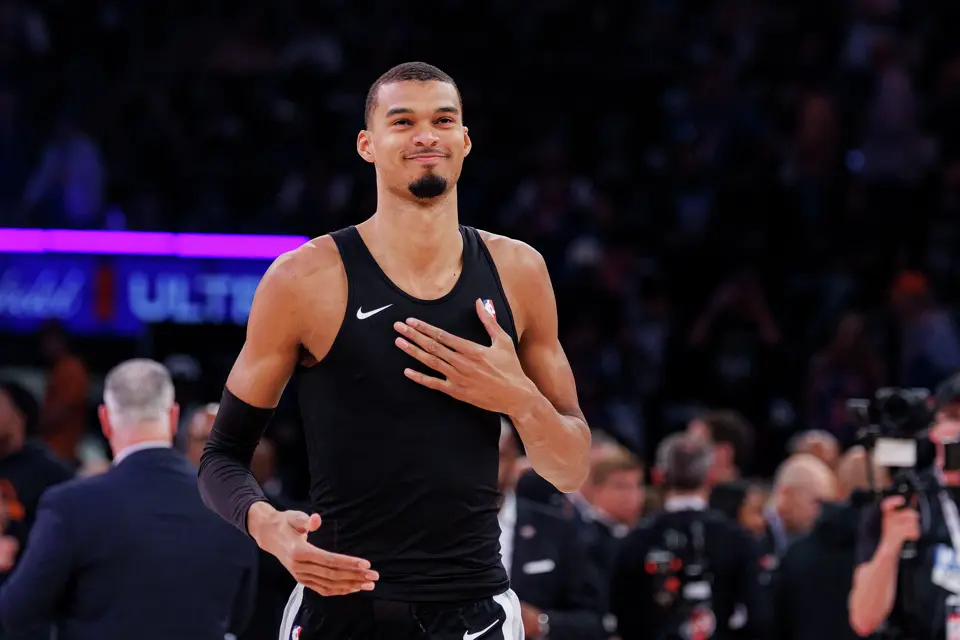
由生成式 AI 翻译,译文内容可能不准确或不完整,以原文为准。
查看原文:Why Spurs’ homes away from home stem from recent success
Why Spurs’ homes away from home stem from recent success
At first, it might have looked like an oversight. Within minutes of the NBA’s scheduling announcement last week, there were sharp-eyed fans who noticed an apparent conflict, and some asked why nobody in charge had caught it.
Who, they wondered, messed up and forced the Spurs to compete for eyeballs, hotel space and entertainment dollars in Austin on the same weekend as a University of Texas football game and one of the biggest auto races in the world?
Well, the truth is, this wasn’t a slip-up, and it wasn’t a coincidence. As with seemingly every other micro-decision the Spurs have made since they first spotted Victor Wembanyama as a 15-year-old in an empty gym in Bourg-en-Bresse, France, there was intention behind it.
And whether or not some of that intention occasionally — and understandably — rubs some in San Antonio the wrong way?
You can’t accuse the Spurs of not planning for every potential problem.
Even the problems they’re fortunate to have.
Let’s start with the game the Houston Rockets at Austin’s Moody Center on Oct. 23, which happens to be the second regular-season home game since the Spurs played in the NBA Finals. From the standpoint of fans who’d bought tickets at Frost Bank Center throughout a seven-year playoff drought, waiting for a breakthrough, this is less than ideal.
In the afterglow of a huge revenue-generating playoff run — not to mention Bexar County voters’ approval of an arena funding initiative last November — is it at least a little annoying to locals that the franchise can’t schedule their next two games in San Antonio before moving one to Austin?
Sure. But the Spurs’ reasoning stems from their success. Thanks in large part to Wembanyama, they’re now a worldwide brand, presumably appealing to the same kinds of sponsors that surround Formula 1. With that in mind, playing a regular-season game in the same city as an F1 race is not a conflict — it’s a marketing opportunity.
Obviously, it would have been better if the race at Austin’s Circuit of the Americas was held in March, or even in mid-November. And it might have been a little easier for San Antonio fans to accept had that third Austin date not been added the same year the Frost Bank Center is losing another home game due to the Spurs trip to France and England in January.
But going back to the concept of “problems they’re fortunate to have” — the Spurs would not be returning to Europe for the second time in three years if they did not have Wembanyama. And they wouldn’t be devising ways to pay for an exploding payroll if Stephon Castle and Dylan Harper weren’t emerging as maximum-contract bargains to go alongside Wembanyama and De’Aaron Fox.
To be sure, the Spurs have no reason to cry poverty here. San Antonio is far from the biggest media market in the league, but winning does wonders for the bottom line. Per a filing with the Securities and Exchange Commission last week, the New York Knicks’ parent company reported it generated $278.7 million in revenue in the fiscal quarter that included last spring’s playoffs, and made $66.7 million more in playoff revenue this year than it did during an Eastern Conference finals run in 2025.
Now, San Antonio isn’t New York. And unlike the Knicks, the Spurs didn’t cash in on any NBA championship merchandising this time. But it’s fair to assume that the Spurs’ owners did pretty well, and won’t be looking between the couch cushions to pay Castle and Harper in coming years.
Still, this is an organization that’s constantly trying to stay one step ahead of potential pitfalls. The Spurs undoubtedly have contingency plans for how they’ll handle another arena funding election if the City Council decides Monday to put San Antonio’s portion up for a public vote.
And even if it remains inconceivable that any set of circumstances could lead to a permanent move to Austin, where they’d surely face resistance from the Texas Longhorns’ athletic behemoth and where there would be no larger appetite for publicly funding an NBA arena, continuing to foster that relationship makes sense.
So, as justifiably perturbed as local Spurs fans might be about their favorite team moving home games up the interstate, and even across the ocean? It beats the alternative scenario.
That’s the one in which their favorite team couldn’t sell tickets up the interstate or across the ocean if they tried.
By Mike Finger, via San Antonio Express-News