By Jeremy Woo, 2026-06-25 18:45:00
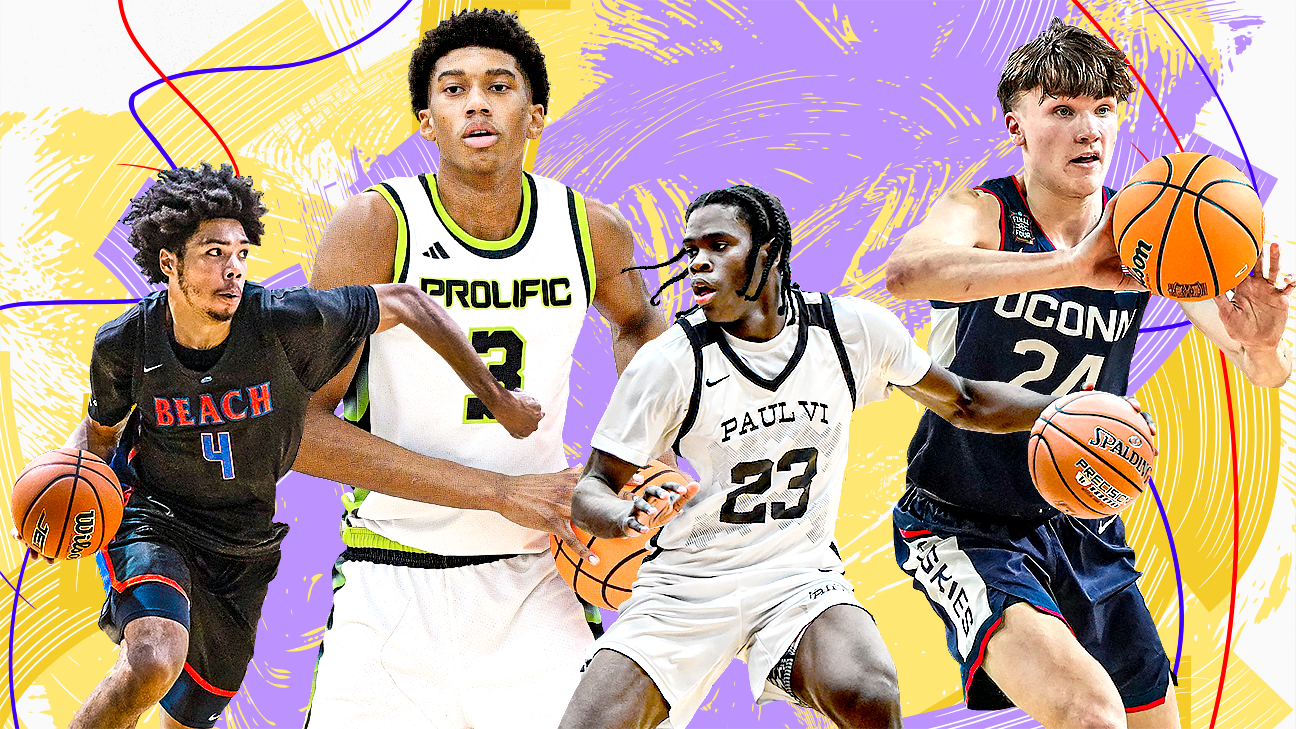
随着2026年NBA选秀尘埃落定,AJ·迪班萨 (AJ Dybantsa)、达林·彼得森 (Darryn Peterson)和卡梅隆·布泽尔 (Cameron Boozer)等新星纷纷踏入联盟,是时候将目光投向2027年了。
至于未来的前景,目前依然相当不明朗。2025届和2026届选秀的璀璨星光让球迷们大饱眼福,而各支NBA球队也早已心知肚明:明年的选秀届将带来不小的挑战。
我对即将入学的大一新生届的评估也反映了这一点。2027年选秀的走势正趋近于2024年——那一年没有公认的状元人选,各支球队在评估人才价值时也是各执一词、大相径庭。
在目前这个阶段,这一届选秀的不确定性比以往更大。在我的预测榜单前列,几乎清一色是即将入学的大一新生,尽管他们来自一个目前尚未让联盟高管感到特别兴奋的2026届高中班。正如预期的那样,得益于NIL(姓名、形象和肖像权)资金的诱惑,几位前景看好的新秀选择留校,这为本届选秀增加了一些深度。此外,这也不被视为一个拥有顶级国际球员的选秀大年。
2027届新秀在未来一年的蜕变过程将非常引人瞩目。每年都会有一些黑马从意想不到的地方杀出:想想基顿·瓦格勒 (Keaton Wagler)、艾伦·格雷夫斯 (Allen Graves)和埃布卡·奥科里 (Ebuka Okorie)吧,在去年赛季开始时,他们谁也没能进入2026年首轮的讨论范围。
以下是对明年选秀届的极早期展望。这更应该被看作是一份观察名单,而非一份确切的模拟选秀榜,因为目前这些球员之间几乎没有拉开差距,而且在距离选秀还如此遥远的时候,NBA球队之间尚未形成任何共识。
2026年选秀报道:
30支球队选秀评级 | 首轮复盘 | 更多
泰兰·斯托克斯暂列第一,他能守住宝座吗?
这位即将加盟堪萨斯大学的前锋在我的预测榜单中开启了这一周期的领跑位置,大多数NBA球探都将他视为2026届高中生中最顶尖的天才。
作为一名身高6英尺7英寸的组织前锋,泰兰·斯托克斯 (Tyran Stokes) 是一位强壮且动作流畅的运动型球员,他能凭借个人能力杀入禁区,擅长打转换进攻,并且在为队友创造机会方面拥有极佳的视野。他具备成为优秀防守者的身材和敏捷度,外线投射能力也在不断提升。如果一切发展顺利,他拥有全明星级别的潜力。他的个人能力和位置打法让他与同届其他球员拉开了一点差距,但他仍需付出巨大努力才能成为无可争议的状元热门。
在球探眼中,斯托克斯与2026年选秀中公认的前四新秀并非同一档次的潜力股,他需要在大学里证明更多,才能确保自己成为状元秀。他的罚球和三分投射都不够稳定,并且在控制失误和临场决策上面临挣扎。他在场上的打球倾向和习惯距离适应NBA还有很长的路要走。
NBA高管们还对斯托克斯的成熟度和行为举止感到担忧,以至于这些问题几乎无法从对他的整体评估中剥离出来。球探们频繁注意到他在场上的脾气和情绪化表现。了解他的人形容他既好胜又聪明,而学会如何在场上更好地引导这种特质将对他大有裨益。
堪萨斯大学主帅比尔·塞尔夫 (Bill Self) 将承担起指导斯托克斯的重任,并在可能仅有一个赛季的大学生涯中为他创造成功的条件。一年后斯托克斯能否保住第一的位置,很大程度上取决于他能否打消各支球队的疑虑。从第一天起,他就会面临严苛的审视,因为各支球队会深入调查他的背景,并试图评估他是否配得上状元签。
如果一切顺利,斯托克斯的才华将让任何赢得乐透签的球队轻松做出决定。但如果情况不妙,状元之争可能会变得极具悬念,NBA高管们可能会考虑一些非传统的状元人选,其中阿肯色大学的乔丹·史密斯二世 (Jordan Smith Jr.) 和亚利桑那大学的凯莱布·霍尔特 (Caleb Holt) 是另外两个值得关注的顶级热门。
乐透新规正式生效
明年的选秀将是首次在NBA乐透新规下进行的选秀,该新规已于5月份正式公布。
简而言之,新的“3-2-1”系统极大地平分了概率,降低了战绩最差的三支球队获得状元签的几率,并将乐透抽签范围扩大到16支球队(包括附加赛球队)。任何球队都不得在连续三次选秀中都获得前五顺位的选秀权,球队也无法连续两年抽中状元签。
NBA董事会今天批准了一项新的NBA选秀乐透系统,旨在消除球队为了选秀顺位而放弃争取比赛胜利的动机。
关于新系统的更多信息,包括…… pic.twitter.com/o1QItNPIit
— NBA官方公关 (@ NBAPR) 2026年5月28日
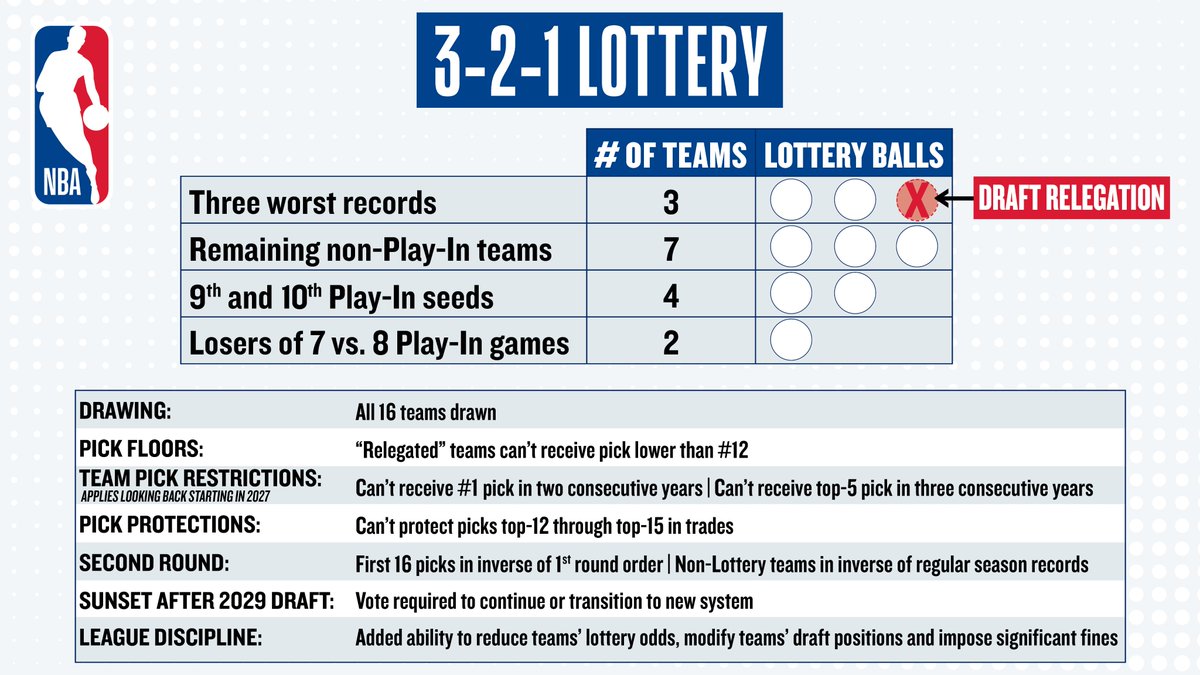
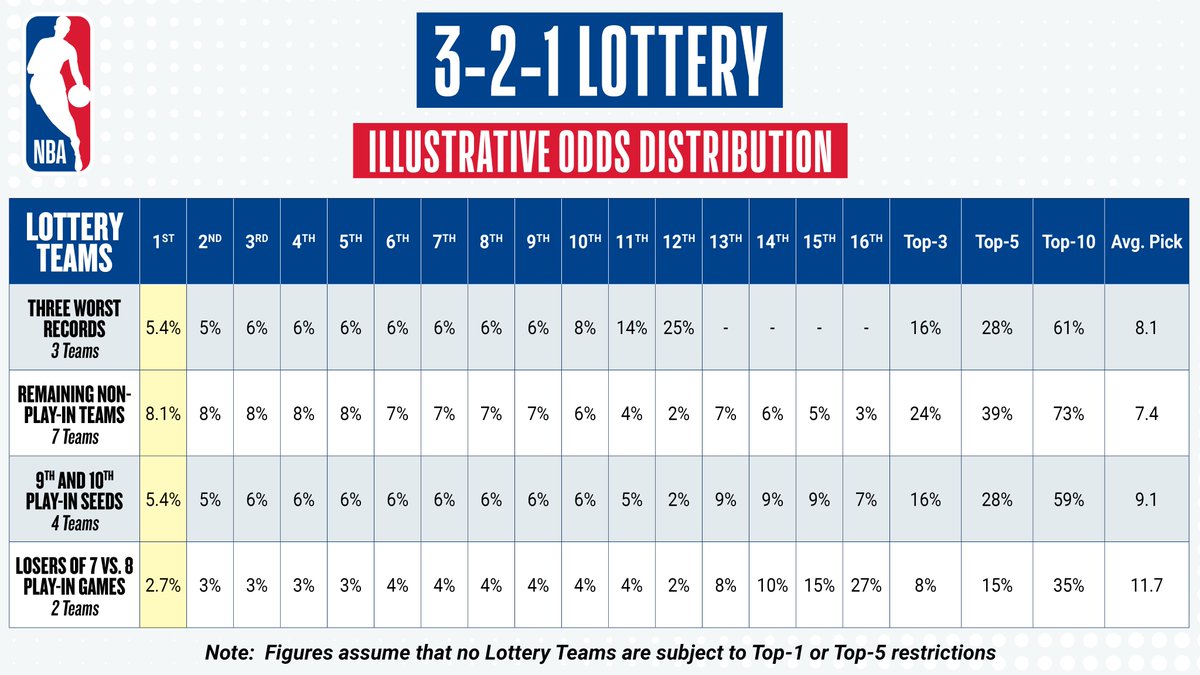
该系统将至少在接下来的三次选秀中实行,一直持续到2029年,届时NBA和球员工会将拥有共同跳出劳资协议(CBA)的条款。这些变化将如何影响各支球队下赛季的整体行为,将成为NBA一个极具看点的暗线:虽然肯定还会有弱队存在,但这些球队将不再有动力为了提高乐透概率而故意输球。
从球队建队策略的角度来看,最需要理解的一点是,各支球队在本质上已经无法真正控制自己选秀权的最终归属。将依靠乐透运气作为引进年轻球星的主要途径,现在看来更加愚蠢。
有趣的是,这些规则开始实施之际,正值NBA球队面临2027届选秀人才曲线异常平缓、且没有公认状元秀的局面——这与2013年和2024年非常相似。
哪些留校老生将脱颖而出?
NIL(姓名、形象和肖像权)继续改变着选秀格局,使大学篮球成为一个在经济上更具吸引力的选择。除非NCAA发生重大变革,否则NBA球队预计这一趋势将持续下去。
在我们榜单中排名最高的留校生是康涅狄格大学的布雷隆·马林斯 (Braylon Mullins) 和佛罗里达大学的托马斯·豪 (Thomas Haugh),在他们决定留校而不参加选秀之前,他们在我2026年的前100名榜单中分别排名第17和第13。由于NBA球探目前对新一届高中毕业生的印象并不深刻,大学老生们有很大的空间冲进首轮。
值得关注的潜在首轮留校生包括:莫蒂尤斯·克里瓦斯 (Motiejus Krivas)(亚利桑那大学)、亚历克斯·康登 (Alex Condon)(佛罗里达大学)、戴姆·萨尔 (Dame Sarr)(杜克大学)、马特·埃布尔 (Matt Able)(北卡罗来纳大学)、阿马里·艾伦 (Amari Allen)(阿拉安马大学)、伊万·哈琴科夫 (Ivan Kharchenkov)(亚利桑那大学)、朱克·哈里斯 (Juke Harris)(田纳西大学)、泰勒·坦纳 (Tyler Tanner)(范德堡大学)、帕特里克·恩贡巴二世 (Patrick Ngongba II)(杜克大学)、马拉奇·莫雷诺 (Malachi Moreno)(肯塔基大学)、特雷·麦肯尼 (Trey McKenney)(密歇根大学)、托恩德·叶苏富 (Tounde Yessoufou)(圣约翰大学)以及米兰·莫姆西洛维奇 (Milan Momcilovic)(肯塔基大学)。
尽管如此,目前的经济环境使得其中一些球员很可能会在大学里待得更久,甚至根本不会参加2027年的选秀。
2027年NBA选秀将由顶级新秀和留校生领衔,例如承诺加盟堪萨斯大学的泰兰·斯托克斯和康涅狄格大学的布雷隆·马林斯。 ESPN
2027年NBA模拟选秀:前10顺位
注:此预测顺序基于DraftKings体育博彩夺得2027年总冠军的赔率,赔率最差的球队排名靠前。由于乐透新规将极大地改变模拟选秀的预测,其顺序将比往年更加随机。ESPN将在下一次2027年模拟选秀中基于乐透新规进行预测。
1. 萨克拉门托国王
泰兰·斯托克斯,小前锋,6-7 | 年龄:18.7
大一,堪萨斯大学
斯托克斯拥有全能的技术,足以稳坐状元宝座,但其他球员也有机会证明自己。
在过去一年里,通过在各种场合(包括去年夏天的耐克训练营、麦当劳全美高中明星赛周和耐克篮球峰会)对斯托克斯的观察,显而易见,他的身材、技术和视野使他脱颖而出。现在的问题是,他在堪萨斯大学的数据产出和对胜利的影响力能否支撑起他的天赋,他的远投、控制失误的能力以及防守投入度都是需要提高的领域。
斯托克斯能否在大学里兑现天赋,以及他能否消除人们对其成熟度和行为举止的担忧,将决定他能否继续保持在榜首位置。
2. 芝加哥公牛
Jordan Smith Jr.,控球后卫/得分后卫,6-2 | 年龄:18.8
大一,阿肯色大学
史密斯是一名爆发力强、活力十足的后卫,他能迅速突破禁区,并且在防守端极具破坏力。他似乎将在阿肯色大学承担大量的控球后卫时间,而他如何应对这一职责将决定他能否真正发起对状元签的冲击。
NBA球队已经非常看好史密斯的竞争心、无形资产和攻防两端的影响力,这些优势的结合使他堪称上赛季高中篮球界最出色的球员。令人担忧的是:他的三分投射不够稳定,身材也偏小,尽管他更像是一个天生的得分手而非组织者,但他最适合的还是持球打法。
球探们将密切关注史密斯在阿肯色大学如何应对沉重的进攻负荷。如果他能提升自己的组织能力并高效地过渡到大学比赛,这将显著提升他的选秀行情。无论他能否在拥有高球权的情况下完成向超级球星的跃升,他都很可能在NBA拥有一段漫长的职业生涯。
3. 孟菲斯灰熊
Caleb Holt,得分后卫/控球后卫,6-5 | 年龄:18.6
大一,亚利桑那大学
霍尔特可能是这届大一新生中下限最高的球员。他是一名强硬、身体对抗出色的外线球员,能在数据栏的各个方面做出贡献,球风顽强,且已经开发出了后卫技术。他拥有防守多个位置的身材和臂展,篮板球出色,并且能带来活力。
尽管霍尔特不是一个纯粹的控球后卫,且投射能力仍在开发中,但他身上有很多令人兴奋的特质,球探们甚至在思考他能否复制朱·霍勒迪式的成长蓝图。他已经准备好在大学赛场上大展身手,并应该能立即填补布雷登·伯里斯 (Brayden Burries) 在亚利桑那大学留下的时间空缺。
霍尔特作为多功能双能卫的打法类型将使他成为一个非传统的状元人选。但他是一个很容易让人喜欢的球员,应该会迎来一个强势的大一赛季。
4. 休斯顿火箭(来自布鲁克林)
Bruce Branch III,得分后卫/小前锋,6-7 | 年龄:17.7
大一,杨百翰大学
布鲁斯·布兰奇三世 (Bruce Branch III) 拥有成为一名优秀NBA球员的所有硬件条件,他拥有7英尺1英寸的臂展和极佳的身材骨架,且还有增重长肉的空间。他具备外线投射能力,但作为一名全能得分手仍在成长中。当他在防守端全力以赴时,他的身材、臂展和横移速度会让对手极难在他面前得分。
虽然布兰奇符合标准侧翼的许多特征,但球探们希望看到他展现出更强的侵略性,因为他有时在比赛中会显得游离。在杨百翰大学(BYU)对他寄予AJ·迪班萨级别的期望是不公平的,但如果主教练凯文·扬 (Kevin Young) 能最大程度地激发他的潜力,布兰奇应该能强力冲击前五顺位。
5. 亚特兰大老鹰(来自新奥尔良)
Stefan Joksimovic,控球后卫,6-7,年龄:17.6
巴斯克尼亚(西班牙)
斯特凡·约克西莫维奇 (Stefan Joksimovic) 是本月早些时候在意大利特雷维索举办的欧洲训练营(Eurocamp)中最受关注的名字之一,他荣膺该赛事的MVP,并为明年的乐透行情赢得了关注。作为一名拥有极佳节奏和视野的高大组织者,这位斯洛文尼亚后卫吸引了大学球队的兴趣,但他下赛季将留在西班牙。
球探们非常喜欢约克西莫维奇作为持球者和传球手的创造力,以他的身材(据报道他在特雷维索赤脚测量身高为6英尺7英寸),他的变速能力非常出色,随着身体力量的增强,他有潜力成为一名核心组织者。在这一届竞争开放的选秀中,NBA球队表示他是一个需要密切关注的名字。
6. 新奥尔良鹈鹕(来自密尔沃基)
Braylon Mullins,得分后卫,6-6,年龄:20.2
大二,康涅狄格大学
马林斯在康涅狄格大学的大一赛季并没有达到预期的效果——他场均得到12.0分、3.5个篮板和1.4次助攻——但他在NCAA锦标赛中的英雄表现让他在进入关键的夏天时重新获得了势头。NBA球队认为他有能力迎来爆发赛季,并应该能提高上赛季42%的投篮命中率和33%的三分命中率,在一支善于使用射手的球队中承担更核心的角色。如果他留在2026年选秀中,他本会成为一名首轮秀。
要想在选秀前10顺位听到自己的名字,马林斯必须在成为全能进攻球员方面迈出一步。各支球队喜欢他的性格、身材和技术特点,但他需要证明自己不仅仅是一个投篮专家,才能配得上如此高的榜单位置。多年来,他在各种场合都展现出了强大的制造投篮机会的能力,他现在有一个很好的机会将这些能力融会贯通。
7. 孟菲斯灰熊(来自犹他)
Thomas Haugh,小前锋/大前锋,6-9 | 年龄:23.0
大四,佛罗里达大学
豪在今年曾吸引了乐透末尾顺位的关注,但他选择回到佛罗里达大学,并在那里获得了丰厚的补偿。到明年选秀时他将满24岁——这给年轻球员在选秀周期中超越他留下了空间——但他被预测为一名即插即用的NBA轮换球员。
豪的身材、多功能性以及不知疲倦的活力让他具备了强大的角色球员特质,这应该会再次对NBA球队产生广泛的吸引力。提高他32.6%的三分命中率对于他保住乐透席位至关重要,但他确实能把许多有价值的事情做好。
8. Charlotte Hornets (via Dallas)
Jason Crowe Jr.,控球后卫/得分后卫,6-3 | 年龄:17.9
大一,密苏里大学
杰森·克罗二世 (Jason Crowe Jr.) 是一名极具天赋的得分手,他能通过运球自己创造投篮机会并快速得分。他寻找出手位置和运球后得分的本能非常出色,并且能够轻松攻击防线的任何层次。他加入了一支将围绕他作为进攻引擎的密苏里大学队,这为他提供了一个冲击前五顺位的平台。
NBA球队对克罗的传球水平以及他在防守端的影响力存有疑问,因为他有时在得分时会陷入单打独斗的局限,而且他并不是一个纯粹的控球后卫。但他的进攻天赋显而易见,这使他成为一个值得关注的、可能产生巨大影响的大一新人。
9. 华盛顿奇才
Anthony Thompson,小前锋/大前锋,6-9 | 年龄:17.9
大一,俄亥俄州立大学
安东尼·汤普森 (Anthony Thompson) 是一名出色的射手,拥有极佳的身材和臂展,可以胜任前锋的任何一个位置,符合NBA极具长期价值的球员模板。球探们希望看到他展现出更强的稳定性和更好的场上活力——他在今年5月的美国男篮U18选拔中落选——但市场对拥有身材的射手的需求,使他依然是秋季值得关注的焦点球员。
汤普森是一名优秀的防守组织者,他能利用自己的臂展和预判来扩大防守范围并封盖对手。他的髋部有些僵硬,这限制了他运球突破和自主创造机会的能力。他在俄亥俄州立大学打出怎样的赛季表现,将决定他能上升到怎样的高度。
10. 休斯顿火箭(来自菲尼克斯)
Cameron Williams,前锋/中锋,6-11 | 年龄:18.7
大一,杜克大学
卡梅隆·威廉姆斯 (Cameron Williams) 拥有顶级的身体天赋和不断开发的技术潜力,但目前尚不清楚他在杜克大学将扮演多大的角色。他大概率将与天赋异禀的乔金·布姆杰-布姆杰竞争出场时间,后者是蓝魔队较晚招募的新人,可能会在2028年选秀中争夺状元签。
威廉姆斯是一名优秀的运动员,他能很好地奔跑落位,并且在过去一年里投篮变得更好了。他拥有足够的敏捷度来打4号位,以弥补打中锋时对抗力量的不足。根据他的身体和技术的发展情况,他的长期发展上限跨度很大,但只要他能争取到足够大的角色来展现影响力,他所拥有的令人期待的长期上限足以让他留在乐透讨论范围中。
2027届新秀其余大榜单
- 凯莱布·加斯金斯 (Caleb Gaskins),大前锋,迈阿密大学 | 大一
- 米卡·穆里宁 (Miikka Muurinen),大前锋,阿肯色大学 | 大一
- 奥斯汀·古斯比 (Austin Goosby),控球后卫/得分后卫,德克萨斯大学 | 大一
- 莫蒂尤斯·克里瓦斯,中锋,亚利桑那大学 | 大四
- 路易吉·苏伊戈 (Luigi Suigo),中锋,维拉诺瓦大学 | 大一
- 马特·埃布尔,得分后卫,北卡罗来纳大学 | 大二
- 亚历克斯·康登,大前锋/中锋,佛罗里达大学 | 大四
- 戴姆·萨尔,得分后卫,杜克大学 | 大二
- 卡梅隆·胡因多 (Cameron Houindo),大前锋,塞德维塔 | 法国
- 克里斯蒂安·科林斯 (Christian Collins),小前锋,南加州大学 | 大一
- 巴巴通德·奥拉多顿 (Babatunde Oladotun),小前锋,马里兰大学 | 大一
- 杰克逊·里查德森 (Jaxon Richardson),小前锋,阿拉巴马大学 | 大一
- 布兰登·麦考伊 (Brandon McCoy),得分后卫,密歇根大学 | 大一
- 雨果·因加-穆库里 (Hugo Yimga-Moukouri),小前锋,楠泰尔 | 法国
- 萨永·凯塔 (Sayon Keita),中锋,北卡罗来纳大学 | 大一
- 阿马里·艾伦,小前锋,阿拉巴马大学 | 大二
- 伊万·哈琴科夫,小前锋,亚利桑那大学 | 大二
- 帕特里克·恩贡巴二世,中锋,杜克大学 | 大二
- 朱克·哈里斯,得分后卫,田纳西大学 | 大二
- 泰勒·坦纳,控球后卫,范德堡大学 | 大三
- 马拉奇·莫雷诺,中锋,肯塔基大学 | 大二
- 谢赫·尼昂 (Cheickh Niang),得分后卫,特伦托 | 意大利
- 科尔本·兰德鲁 (Colben Landrew),得分后卫,康涅狄格大学 | 大一
- 小奥宾纳·埃克齐 (Obinna Ekezie Jr.),中锋,路易斯维尔大学 | 大一
- 小特雷·麦肯尼,得分后卫,密歇根大学 | 大二
- 昆汀·科尔曼 (Quentin Coleman),控球后卫,伊利诺伊大学 | 大一
- 迪伦·明戈 (Dylan Mingo),控球后卫,贝勒大学 | 大一
- 斯特凡·瓦克斯 (Stefan Vaaks),得分后卫/控球后卫,伊利诺伊大学 | 大二
- 米兰·莫姆西洛维奇,大前锋,肯塔基大学 | 大四
- 达什·丹尼尔斯 (Dash Daniels),控球后卫/得分后卫,墨尔本联队 | 澳大利亚
- 马萨姆巴·迪奥普 (Massamba Diop),中锋,冈萨加大学 | 大二
- 托恩德·叶苏富,得分后卫/小前锋,圣约翰大学 | 大二
- 穆斯塔法·蒂亚姆 (Moustapha Thiam),中锋,密歇根大学 | 大三
- 大卫·米尔科维奇 (David Mirkovic),小前锋/大前锋,伊利诺伊大学 | 大二
- 迈尔斯·伯德 (Miles Byrd),得分后卫,普罗维登斯学院 | 大四
- 约瑟夫·塔格勒 (Joseph Tugler),大前锋,休斯顿大学 | 大四
- 弗洛里·比东加 (Flory Bidunga),中锋,路易斯维尔大学 | 大三
- 谢尔顿·亨德森 (Shelton Henderson),得分后卫,迈阿密大学 | 大二
- 戴维斯·福格尔 (Davis Fogle),得分后卫,冈萨加大学 | 大二
- 雅各布·科菲 (Jacob Cofie),小前锋/大前锋,南加州大学 | 大二
- 鲁本·奇涅鲁 (Rueben Chinyelu),中锋,佛罗里达大学 | 大四
- 比利·里士满三世 (Billy Richmond III),得分后卫/小前锋,阿肯色大学 | 大三
- 内奥克利斯·阿夫达拉斯 (Neoklis Avdalas),小前锋,北卡罗来纳大学 | 大二
- 萨姆·刘易斯 (Sam Lewis),得分后卫,弗吉尼亚大学 | 大四
- 普莱斯·桑德福特 (Pryce Sandfort),小前锋,内布拉斯加大学 | 大四
- 马塔斯·沃基泰蒂斯 (Matas Vokietaitis),中锋,德克萨斯大学 | 大三
- 安德烈·斯托雅科维奇 (Andrej Stojakovic),得分后卫,伊利诺伊大学 | 大四
- 小杰里米·费尔斯 (Jeremy Fears Jr.),控球后卫,密歇根州立大学 | 大三
- 基利安·图雷 (Killyan Toure),得分后卫/控球后卫,爱荷华州立大学 | 大二
- 约翰·布莱克威尔 (John Blackwell),得分后卫,杜克大学 | 大四
由生成式 AI 翻译,译文内容可能不准确或不完整,以原文为准。
点击查看原文:2027 NBA mock draft: Early projections for top 60 prospects
2027 NBA mock draft: Early projections for top 60 prospects
With the 2026 NBA draft in the rearview and AJ Dybantsa, Darryn Peterson, Cameron Boozer & Co. off to the league, it’s time to shift the focus ahead to 2027.
As for the outlook, it’s still pretty cloudy right now. Basketball fans have been spoiled by the star power of the 2025 and 2026 draft classes, and NBA teams have operated with the knowledge that next year’s class will present a challenge.
My assessment of the incoming freshman class reflects that. The 2027 draft is shaping up to be similar to 2024, a year in which there was no true consensus at No. 1 and teams were all over the board on how they valued talent.
This class is more indeterminate than usual at this stage of the cycle. The top of my projections is lined with incoming freshmen, albeit coming from a '26 high school class that league executives don’t seem overly excited about – yet. As expected, several prospects returned to college, thanks in part to the allure of NIL money, adding some depth to the class. This is also not viewed as a high-end international class.
The evolution of the 2027 class over the coming year will be fascinating, and every year, prospects emerge in unexpected places: Think Keaton Wagler, Allen Graves and Ebuka Okorie, none of whom began last season as part of the first-round picture in 2026.
Here’s a very early look at next year’s draft class, which should be viewed more like a watch list rather than a mock, as there is very little separation between these players right now, and no consensus has formed among NBA teams this far out.
2026 draft coverage:
Grades for all 30 teams | Round 1 recap | More
Tyran Stokes opens at No. 1. Will he stay there?
The Kansas-bound forward begins the cycle atop my projections, as the player the majority of NBA scouts view as the top talent in the 2026 high school class.
A 6-foot-7 point forward, Stokes is a powerful, fluid athlete who can get into the paint on his own, play in transition and has terrific vision setting up teammates. He has the size and agility to be a good defender, and is a developing perimeter shooter. If things break correctly for him, he has All-Star potential. His ability and positional archetype help create a slight separation from the rest of the class, but he has quite a bit of work to do to set himself apart as a consensus top pick.
Stokes is not considered by scouts to be the same caliber of prospect as the consensus top four in the 2026 draft and will have much more to prove in college to ensure he hears his name called first. He is an inconsistent shooter from both the foul line and 3-point range who has struggled with turnovers and decision-making. His on-court tendencies and habits are far from NBA-ready.
NBA executives also have concerns about Stokes’ maturity and demeanor, to the point that those questions are almost impossible to extract from his evaluation. Scouts have frequently noted his on-court temper and moodiness. He is described by those who know him as competitive and intelligent, and learning to better channel that on the floor will go a long way.
Kansas coach Bill Self will be tasked with mentoring Stokes and putting him in a position to succeed over what will likely be one college season. Whether Stokes remains at No. 1 a year from now will depend largely on his ability to assuage teams’ concerns. He will be under heavy scrutiny from Day 1 as teams dig deep into his background and try to make sense of his No. 1 candidacy.
If things go well, Stokes has the talent to make this an easy decision for whichever team wins the lottery. If not, the conversation could be blown wide open, with NBA executives considering nontraditional No. 1 candidates, including Jordan Smith Jr. (Arkansas) and Caleb Holt (Arizona) as other top names to watch.
New lottery rules take hold
Next year’s draft will be the first to take place under the NBA’s new lottery rules, which were officially announced in May.
In a nutshell, the new “3-2-1” system drastically flattens the odds, reduces the worst three teams’ chances at winning the top spot and opens the lottery up to include 16 teams, inclusive of the play-in spots. No team’s pick will be allowed to land in the top five in three consecutive drafts, nor can a team win the lottery two years in a row.
The NBA Board of Governors today approved a new NBA Draft Lottery system designed to eliminate incentives for teams to prioritize their position in the Draft over winning games.
Full release: https://t.co/I42k5HeUV0
Additional information regarding the new system, including the… pic.twitter.com/o1QItNPIit
— NBA Communications (@ NBAPR) May 28, 2026
This system will be in place for at least the next three drafts, through 2029, a year in which the NBA and its players’ association will hold a mutual CBA opt-out clause. How these changes impact teams’ overall behavior next season will be a fascinating NBA subplot: While there will surely still be bad teams, there is no longer an incentive for those teams to intentionally lose games to increase their lottery odds.
The most important piece to understand from a franchise’s strategy perspective is that teams, in essence, no longer hold any real control over where their picks will fall. Relying on lottery luck as the primary path to landing a young star player is even more of a fool’s errand.
It is interesting to see the inception of these rules take place as NBA teams stare down what presently appears to be an extraordinarily flat talent curve in the 2027 draft class and no consensus No. 1 prospects – similar to 2013 and 2024.
Which returners will emerge?
NIL continues to alter the draft landscape by making college basketball a more financially lucrative option, a trend NBA teams expect to continue, barring major NCAA changes.
The top-ranked returners on our board are Braylon Mullins (UConn) and Thomas Haugh (Florida), who ranked 17th and 13th, respectively, on my 2026 top 100 before deciding to stay in school and not test the draft. With NBA scouts presently not all that impressed with the rising high school class, there is room for college veterans to push their way into the first round.
Notable potential first-round returners to watch include Motiejus Krivas (Arizona), Alex Condon (Florida), Dame Sarr (Duke), Matt Able (North Carolina), Amari Allen (Alabama), Ivan Kharchenkov (Arizona), Juke Harris (Tennessee), Tyler Tanner (Vanderbilt), Patrick Ngongba II (Duke), Malachi Moreno (Kentucky), Trey McKenney (Michigan), Tounde Yessoufou (St. John’s) and Milan Momcilovic (Kentucky).
Still, the financial landscape makes it probable that some of these players end up staying in college even longer and don’t end up in the 2027 draft at all.
The 2027 NBA draft is headlined with top prospects and returners such as Kansas commit Tyran Stokes and UConn’s Braylon Mullins. ESPN
2027 NBA mock draft: Top 10 picks
Note: This projected order is based on DraftKings Sportsbook’s odds to win the 2027 title, with the teams with the worst odds ranked below. The new lottery system will drastically change projections for mock drafts, with the order more randomized than previous years. ESPN will do a projection based on the new lottery system on its next 2027 mock draft.
1. Sacramento Kings
Tyran Stokes, SF, 6-7 | Age: 18.7
Freshman, Kansas
Stokes has the all-around skill set to make the No. 1 spot firmly his, but the door is open for other players to make their case.
After checking in on Stokes in various settings over the past year – including last summer’s Nike Academy, McDonald’s All American week and Hoop Summit – it’s clear his size, skill and vision separate him from his peers. The question is whether his production and winning impact at Kansas will back up the eye test, with his long-range shooting, ability to limit turnovers and defensive engagement all areas for improvement.
Whether Stokes lives up to billing in college – and whether he can assuage concerns around his maturity and behavior – will determine if he can stay the course at the top.
2. Chicago Bulls
Jordan Smith Jr., PG/SG, 6-2 | Age: 18.8
Freshman, Arkansas
Smith is an explosive, high-energy guard who can get downhill in a hurry and excels at disrupting plays on the defensive end. He appears ticketed for plenty of point guard minutes at Arkansas, and how he handles that responsibility will determine whether he can make a real No. 1 case.
NBA teams already love Smith’s competitiveness, intangibles and two-way impact, a mix of strengths that made him arguably the best player in high school basketball last season. The concerns: He’s an inconsistent 3-point shooter and has a smaller frame that will play up best on the ball, despite being more of a natural scorer than a setup man.
Scouts will be closely watching how Smith handles a heavy offensive workload at Arkansas. If he can expand his game as a playmaker and efficiently transition to the college game, it will help his standing significantly. Whether or not he can make the star leap with usage, he’s still likely to have a long NBA career.
3. Memphis Grizzlies
Caleb Holt, SG/PG, 6-5 | Age: 18.6
Freshman, Arizona
Holt may have the highest floor of any player in the incoming freshman class. He is a hard-nosed, physical perimeter player who contributes in all areas of the box score, plays a tenacious style and has developed his guard skills. He has the size and length to guard multiple positions, rebounds well and brings energy.
Although Holt isn’t a true point guard and is still developing as a shooter, there’s a lot to be enthusiastic about, with scouts wondering if he can follow a Jrue Holiday-esque blueprint. He is ready to make an impact in college and should slot in immediately to help replace Brayden Burries’ minutes at Arizona.
Holt’s archetype as a utility combo guard would make him a nontraditional No. 1 candidate if he breaks out. But he’s an easy player to like and should be in line for a strong freshman season.
4. Houston Rockets (via Brooklyn)
Bruce Branch III, SG/SF, 6-7 | Age: 17.7
Freshman, BYU
Branch has all the tools to be an excellent NBA player, with a 7-foot-1 wingspan and an excellent frame with room to add muscle. He’s a capable shooter from range but is still developing as an all-around scorer. When fully engaged defensively, his size, length and lateral agility make him extremely difficult to score on.
While Branch ticks a lot of boxes for a prototypical wing, scouts want to see him assert himself more, as he tends to float through games. It would be unfair to place AJ Dybantsa-level expectations on him at BYU, but if coach Kevin Young can get the most out of him, Branch should make a strong top-five case.
5. Atlanta Hawks (via New Orleans)
Stefan Joksimovic, PG, 6-7, Age: 17.6
Baskonia (Spain)
Joksimovic was one of the buzziest names coming out of Eurocamp in Treviso, Italy, earlier this month, winning MVP of the event and gaining traction for next year’s lottery. A large playmaker with great pace and vision, the Slovenian guard drew interest from college teams but will stay in Spain next season.
Scouts love Joksimovic’s creativity as a ball handler and passer, and he changes speeds well for his size (he reportedly measured 6-7 barefoot in Treviso), giving him upside as a lead playmaker as he gets stronger. In a wide-open draft, NBA teams say he is a name to watch closely.
6. New Orleans Pelicans (via Milwaukee)
Braylon Mullins, SG, 6-6, Age: 20.2
Sophomore, UConn
Mullins didn’t quite have the freshman season he wanted at UConn – he averaged 12.0 points, 3.5 rebounds and 1.4 assists per game – but his NCAA tournament heroics gave him renewed momentum going into an important summer. NBA teams think he’s capable of a breakout season and should improve on last season’s 42% from the field and 33% from 3, stepping into a more focal role on a team that uses shooters well. He would have been a first-round pick had he stayed in the 2026 draft.
To hear his name called in the top 10, Mullins has to take a step forward as an all-around offensive player. Teams like his makeup, size and skill set, but he will need to prove he’s more than just a shooting specialist to justify being placed this high on the board. He has shown major shotmaking prowess in various settings over the years, and he has a good opportunity to put it all together.
7. Memphis Grizzlies (via Utah)
Thomas Haugh, SF/PF, 6-9 | Age: 23.0
Senior, Florida
Haugh had late-lottery interest this year but opted to return to Florida, where he will be handsomely compensated. He’ll be 24 years old by the time he gets drafted next year – leaving room for younger players to leapfrog him as the cycle goes on – but projects as a ready-made NBA rotation player.
Haugh’s size, versatility and nonstop motor give him a strong role-player profile that should again have broad appeal with NBA teams. Improving on his 32.6% 3-point clip will be important for him to keep a spot in the lottery, but he does multiple valuable things well.
8. Charlotte Hornets (via Dallas)
Jason Crowe Jr., PG/SG, 6-3 | Age: 17.9
Freshman, Missouri
Crowe is a gifted scorer who can create his own shot off the bounce and put up points quickly. His instincts for getting to spots and scoring off the bounce are terrific, and he’s comfortable attacking every level of the defense. He joins a Missouri team that will be geared around him as its offensive engine, giving him a platform to make a case for the top five.
NBA teams question what level of passer Crowe will be and his impact on defense, as he sometimes has bouts of tunnel vision scoring the ball and isn’t a pure point guard. But his offensive gifts are clear, making him a talent to watch as a potential high-impact freshman.
9. Washington Wizards
Anthony Thompson, SF/PF, 6-9 | Age: 17.9
Freshman, Ohio State
Thompson is an excellent shooter with great size and length who can man either forward spot, fitting a valuable long-term NBA mold. Scouts want to see greater consistency and improved motor – he missed the cut at Team USA’s U18 trials in May – but the demand for shooters with size keeps him front of mind as a player to watch in the fall.
Thompson is a good defensive playmaker who can cover ground and block shots with his length and anticipation. He’s a bit stiff in his hips, limiting his ability to put the ball on the floor and create for himself. What type of season he puts together at Ohio State will dictate how high he can rise.
10. Houston Rockets (via Phoenix)
Cameron Williams, F/C, 6-11 | Age: 18.7
Freshman, Duke
Williams has big-time tools and developing skill potential, but it’s unclear just how big his role will be at Duke. He will presumably be battling for minutes with the prodigious Joaquim Boumtje-Boumtje, a late addition for the Blue Devils who might contend for the No. 1 spot in the 2028 draft.
Williams is a good athlete who runs the floor well and has become a better shooter over the past year, with enough agility to play the 4 in lieu of ideal bulk to play center. There is a wide range of long-term outcomes depending on how his body and skill set fill out, but he has the type of intriguing long-term upside to keep him in the lottery conversation, provided he can carve out a big enough role to make a difference.
Remaining big board for the class of 2027
- Caleb Gaskins, PF, Miami | Freshman
- Miikka Muurinen, PF, Arkansas | Freshman
- Austin Goosby, PG/SG, Texas | Freshman
- Motiejus Krivas, C, Arizona | Senior
- Luigi Suigo, C, Villanova | Freshman
- Matt Able, SG, North Carolina | Sophomore
- Alex Condon, PF/C, Florida | Senior
- Dame Sarr, SG, Duke | Sophomore
- Cameron Houindo, PF, Cedevita | France
- Christian Collins, SF, USC | Freshman
- Babatunde Oladotun, SF, Maryland | Freshman
- Jaxon Richardson, SF, Alabama | Freshman
- Brandon McCoy, SG, Michigan | Freshman
- Hugo Yimga-Moukouri, SF, Nanterre | France
- Sayon Keita, C, North Carolina | Freshman
- Amari Allen, SF, Alabama | Sophomore
- Ivan Kharchenkov, SF, Arizona | Sophomore
- Patrick Ngongba II, C, Duke | Sophomore
- Juke Harris, SG, Tennessee | Sophomore
- Tyler Tanner, PG, Vanderbilt | Junior
- Malachi Moreno, C, Kentucky | Sophomore
- Cheickh Niang, SG, Trento | Italy
- Colben Landrew, SG, UConn | Freshman
- Obinna Ekezie Jr., C, Louisville | Freshman
- Trey McKenney Jr., SG, Michigan | Sophomore
- Quentin Coleman, PG, Illinois | Freshman
- Dylan Mingo, PG, Baylor | Freshman
- Stefan Vaaks, SG/PG, Illinois | Sophomore
- Milan Momcilovic, PF, Kentucky | Senior
- Dash Daniels, PG/SG, Melbourne United | Australia
- Massamba Diop, C, Gonzaga | Sophomore
- Tounde Yessoufou, SG/SF, St. John’s | Sophomore
- Moustapha Thiam, C, Michigan | Junior
- David Mirkovic, SF/PF, Illinois | Sophomore
- Miles Byrd, SG, Providence | Senior
- Joseph Tugler, PF, Houston | Senior
- Flory Bidunga, C, Louisville | Junior
- Shelton Henderson, SG, Miami | Sophomore
- Davis Fogle, SG, Gonzaga | Sophomore
- Jacob Cofie, SF/PF, USC | Sophomore
- Rueben Chinyelu, C, Florida | Senior
- Billy Richmond III, SG/SF, Arkansas | Junior
- Neoklis Avdalas, SF, North Carolina | Sophomore
- Sam Lewis, SG, Virginia | Senior
- Pryce Sandfort, SF, Nebraska | Senior
- Matas Vokietaitis, C, Texas | Junior
- Andrej Stojakovic, SG, Illinois | Senior
- Jeremy Fears Jr., PG, Michigan State | Junior
- Killyan Toure, SG/PG, Iowa State | Sophomore
- John Blackwell, SG, Duke | Senior
By Jeremy Woo, via ESPN