By Ben Golliver, 2026-06-25 10:49:00
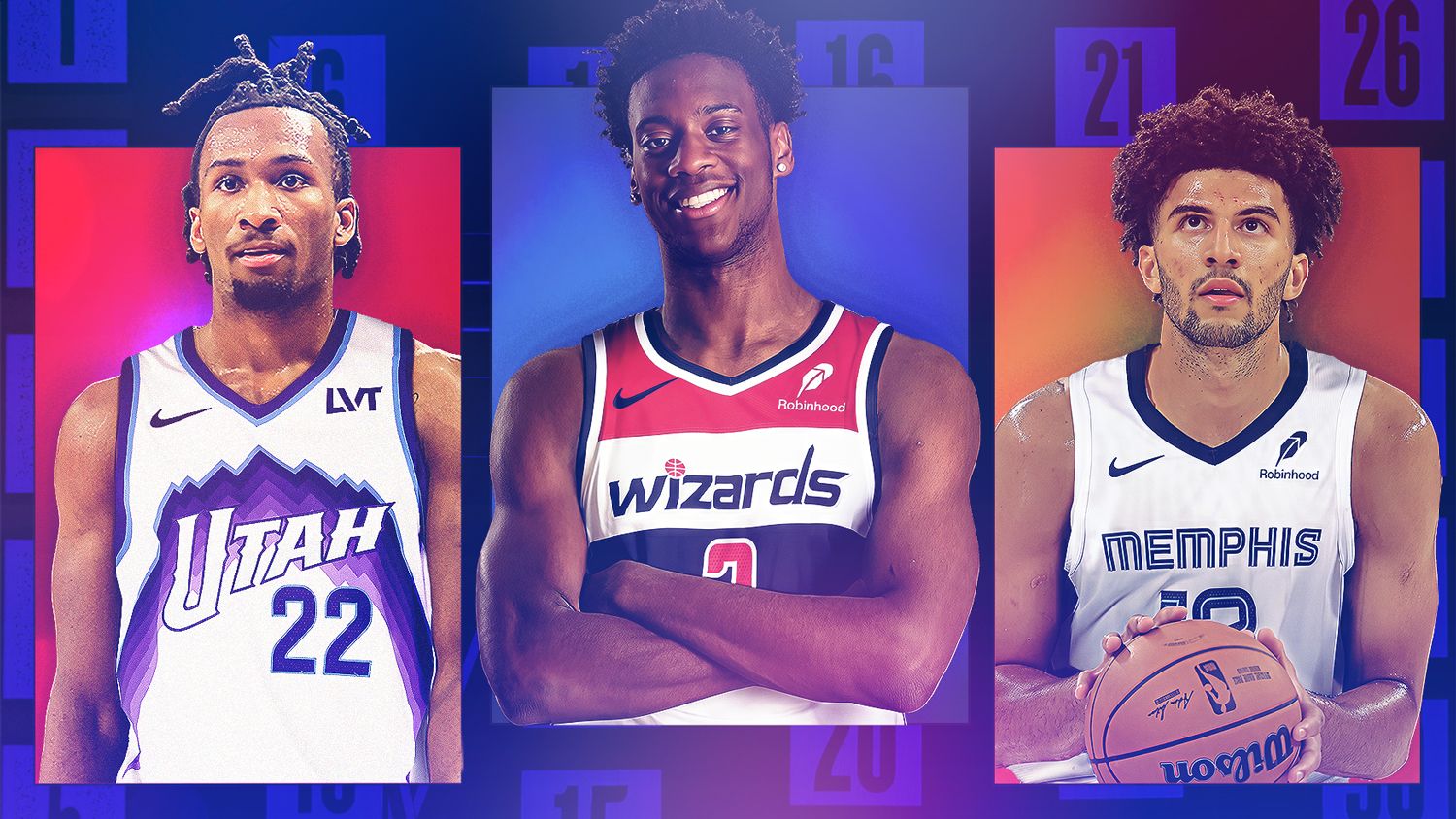
2026年NBA选秀将因其顶端新秀强大的球星潜质,以及前期交易活跃度的相对匮乏和未出现重大愚蠢决策而被人们铭记。
尽管华盛顿奇才、犹他爵士、孟菲斯灰熊和芝加哥公牛相信他们在乐透区最前列选到了潜在的建队基石,但前12顺位的选秀权没有一个易手,首轮选秀也在没有出现任何惊人意外的情况下尘埃落定。
话虽如此,NBA的30支球队中有29支至少进行了一次选择。以下是每支球队的即时评级,其中包括作壁上观的波特兰开拓者——他们在五年前就交易走了自己的首轮签。以下评分按球队英文名称的字母顺序排列。
跳转至球队:
ATL | BOS | BKN | CHA | CHI | CLE
DAL | DEN | DET | GS | HOU | IND
LAC | LAL | MEM | MIA | MIL | MIN
NO | NY | OKC | ORL | PHI | PHX
POR | SAC | SA | TOR | UTAH | WAS
亚特兰大老鹰:A-
首轮: 金斯顿·弗莱明斯 (Kingston Flemings)(第8顺位)和祖比·埃吉奥福 (Zuby Ejiofor)(第23顺位)
次轮: 亨里·维萨尔 (Henri Veesaar)(第52顺位)
尽管在老鹰做出首个选择之前,有一波后场球员相继被选走,但他们还是拿下了弗莱明斯,一位来自休斯敦大学的大一控球后卫。
亚特兰大已经悄然组建了一支技术特点互补的后卫群:尼基尔·亚历山大-沃克 (Nickeil Alexander-Walker) 是一名可靠的双能卫贡献者,CJ·麦科勒姆 (CJ McCollum) 是具备投射创造力的老将,戴森·丹尼尔斯 (Dyson Daniels) 是充满活力的防守大闸,而弗莱明斯则作为一名极具爆发力的持球突破威胁加入。
老鹰主帅奎因·斯奈德 (Quin Snyder) 应该能够灵活搭配他的阵容,并让19岁的弗莱明斯按照自己的时间表成长。埃吉奥福为急需深度支撑的老鹰前场带来了臂展和防守强韧度,在大学度过四个赛季后,他应该已经做好了立即贡献力量的准备。
波士顿凯尔特人:A-
首轮: 小克里斯·塞纳克 (Chris Cenac Jr.)(第27顺位)
次轮: 迪伦·米切尔 (Dillon Mitchell)(第40顺位)
布拉德·史蒂文斯 (Brad Stevens) 选中塞纳克是一次不错的操作,这位全能型大个子在高中届曾是全美前十的球员,随后在休斯敦大学度过了一个略显令人失望的大一赛季。
塞纳克看起来像是一个定位尴尬的摇摆人——身高6英尺11英寸,体重240磅的他可能会尴尬地介于大前锋和中锋之间——但他仍然填补了凯尔特人显而易见的阵容短板,此前凯尔特人薄弱且缺乏经验的前场在季后赛中被76人彻底暴露。
塞纳克极有可能需要经历多个发展阶段,才能兑现他高中时期的名声。
或许他可以先从为教练乔·马祖拉 (Joe Mazzulla) 的替补席注入活力开始,然后通过磨炼自己的三分射程和终结技巧,在波士顿的空间型进攻体系中争取更大的角色。
布鲁克林篮网:C+
首轮: 小米克尔·布朗 (Mikel Brown Jr.)(第6顺位)和约书亚·杰斐逊 (Joshua Jefferson)(第28顺位)
次轮: 泰勒·比洛多 (Tyler Bilodeau)(第43顺位)
在选秀抽签中下滑三个顺位,让布鲁克林失去了选到稳妥潜力新星的机会。篮网并没有通过交易向上交易选秀权,而是选择了布朗——一个在路易斯维尔大学大一期间因背伤缺席过比赛、但颇具吸引力的后卫,而不是来自阿肯色大学的小达里尤斯·阿库夫 (Darius Acuff Jr.)。随着这届新秀的发展,这一选择将面临巨大的审视。
当然,布鲁克林在去年的选秀首轮中也选了四名后卫。如果布朗能够增强力量,并凭借其外线投射能力和果断的持球表现脱颖而出成为其中最出色的一员,那么篮网将能够弥补过去的任何选人失误。
篮网也有可能在日后回首这次选秀时,希望乒乓球抽签能对他们更温柔一些,这样他们就能抢到像AJ·迪班萨 (AJ Dybantsa)、卡梅隆·布泽尔 (Cameron Boozer) 或凯莱布·威尔逊 (Caleb Wilson) 这样的年轻大个子。
篮网打算带着由小迈克尔·波特 (Michael Porter Jr.) 和朱利叶斯·兰德尔 (Julius Randle) 领衔的前场轮换走向何方?这是一个没有好答案的问题,但布鲁克林在首轮末段选入杰斐逊——一位头脑清醒的四年制大学球员,这笔操作做得不错。
夏洛特黄蜂:B-
首轮: 汉内斯·斯坦巴赫 (Hannes Steinbach)(第14顺位)和克里斯蒂安·安德森 (Christian Anderson)(第18顺位)
别担心:汉内斯·斯坦巴赫和克里斯蒂安·安德森是篮球运动员,而不是像他们的名字所暗示的那样是杰出的写实小说家。
斯坦巴赫是一名德国中锋,上赛季效力于华盛顿大学,他在篮筐附近最具威胁。安德森是来自德州理工大学的纯射手,由于防守端的作用令人担忧,他跌出了乐透区。
这两名球员都有潜力解决处于上升期的黄蜂队的需求,黄蜂上赛季在战绩排名上取得了显著进步。夏洛特缺乏内线深度和传统体型是其最大的位置短板,而主教练查尔斯·李 (Charles Lee) 将非常欢迎更多的投射加入这支上赛季三分球出手数排名联盟第二的球队。
芝加哥公牛:B+
首轮: 凯莱布·威尔逊(第4顺位)和戴林·斯温 (Dailyn Swain)(第15顺位)
考虑到公牛在过去十年的大部分时间里都平庸且乏味,威尔逊是一笔令人振奋的补充。
由高管布赖森·格雷厄姆 (Bryson Graham) 和主教练蒂亚戈·斯普利特 (Tiago Splitter) 领衔的芝加哥新管理层,可以指望威尔逊出色的运动能力和狂傲气场,将这座风城从漫长的沉睡中唤醒。
将威尔逊与2024年乐透秀马塔斯·布泽利斯 (Matas Buzelis) 搭档,让芝加哥在转换进攻中拥有了两个重大威胁,而他们与乔希·吉迪 (Josh Giddey) 的空中接力配合,将在下个赛季让社交媒体持续沸腾。
威尔逊在周二开启了造势宣传,声称他想“比迈克更好”——也就是迈克尔·乔丹 (Michael Jordan),另一位来到芝加哥的北卡罗来纳产物。但保持一些克制是必要的,因为威尔逊和来自德克萨斯大学的前锋斯温都必须在投射方面进行提升。
公牛在本周早些时候的一笔交易中得到了中锋尼克·克拉克斯顿 (Nic Claxton)——又一位没有投射能力的球员。公牛能否创造出足够的空间来兑现他们充满乐趣的潜力,还是会在比赛节奏慢下来时陷入停滞?
克利夫兰骑士:B-
次轮: 米里克·托马斯 (Meleek Thomas)(第34顺位)
托马斯是一名纯投手,在阿肯色大学期间,他把大部分时间都花在了准备下一次出手上,而不是担心自己的防守任务。
鉴于克利夫兰坚固的后防线防守,对于这种技术特点的球员来说,这里是一个不错的去处,而他精准的三分投射可能有助于重振骑士队的外线进攻。
骑士在2024-25赛季的三分命中率排名联盟第二,但上赛季下滑到了第13位。
达拉斯独行侠:B+
首轮: 小莫雷兹·约翰逊 (Morez Johnson Jr.)(第9顺位)和塞尔希奥·德·拉雷亚 (Sergio De Larrea)(第25顺位)
次轮: 托比·拉瓦尔 (Tobi Lawal)(第48顺位)、弗谢沃洛德·伊先科 (Vsevolod Ishchenko)(第56顺位)
在聘请前密歇根大学狼獾队主教练达斯蒂·梅 (Dusty May) 一天后,“密歇根独行侠”便选入了约翰逊。
约翰逊作为防守者和篮板手所展现出的不懈活力,对密歇根大学夺得NCAA冠军至关重要,而且他一直在尝试通过开发三分球来丰富自己的得分手段。
如果这种进步能够保持下去,事后看来这次选秀可能会显得非常美妙。达拉斯迫切需要更多年轻才俊来围绕去年的状元秀库珀·弗拉格 (Cooper Flagg) 重塑阵容,而约翰逊正好符合要求,他可以在对手重兵防守弗拉格时挺身而出。
德·拉雷亚上赛季在西班牙打职业联赛,是一位高个后卫,而来自弗吉尼亚理工大学的前锋拉瓦尔则属于刮彩票式的选择。梅将有数年的时间来扭转独行侠的局面,但周二是一个不错的开始。
丹佛掘金:C
次轮: 特雷冯·布拉齐尔 (Trevon Brazile)(第35顺位)、布赖斯·霍普金斯 (Bryce Hopkins)(第49顺位)
尼古拉·约基奇 (Nikola Jokic) 领衔的掘金突然需要比任何次轮秀所能提供的更多的帮助,但布拉齐尔将给主教练大卫·阿德尔曼 (David Adelman) 在经常受伤的阿隆·戈登 (Aaron Gordon) 身后提供另一个选择,而霍普金斯则带来了标准的外线体型和四年的大学经验。
布拉齐尔的球风有些华而不实:他是一个飞天流球员,但在五年的大学生涯中从未将自己的天赋完全整合。
如果布拉齐尔能够创造二次进攻得分,并与约基奇建立起空中接力默契,掘金就应该将这视作一个成功的处子赛季。
霍普金斯在五年的大学生涯中三分命中率仅为32.4%,这无疑是丹佛将着力帮其提升的领域。
底特律活塞:B+
首轮: 埃布卡·奥科里 (Ebuka Okorie)(第17顺位)
次轮: 乌戈纳·奥尼恩索 (Ugonna Onyenso)(第53顺位)
季后赛暴露了底特律对第二组织者的明显需求:活塞的进攻效率与常规赛标准相比下降了近7分,而当家后卫凯德·康宁汉姆 (Cade Cunningham) 的使用率飙升至32.4%。
于是奥科里登场了,这位来自斯坦福大学的19岁后卫最擅长的就是通过运球突破来撕裂对手的防守。
在底特律于交易截止日送走前乐透秀杰登·艾维 (Jaden Ivey),并目睹替补丹尼斯·詹金斯 (Daniss Jenkins) 在他的首次季后赛之旅中挣扎之后,活塞将希望奥科里能尽早做好承担常规轮换时间的准备。
金州勇士:A
首轮: 雅克塞尔·伦德伯格 (Yaxel Lendeborg)(第11顺位)
次轮: 拉杰·琼斯 (Lajae Jones)(第54顺位)
如果勇士拿到了更高的顺位,他们就不得不重新面对那个老生常谈的争论:是应该选一个能立即在斯蒂芬·库里 (Stephen Curry) 和德雷蒙德·格林 (Draymond Green) 身边做出贡献的即战力,还是选择上限最高的新秀以迎接球队的下一个时代。
但金州勇士在第11顺位得以化繁为简,选下了伦德伯格,他的攻防两端贡献助力密歇根大学夺得了NCAA冠军。
这位23岁的前锋在菜鸟赛季有望获得大量的出场时间,尤其是因为勇士的前场非常需要身高6英尺9英寸的伦德伯格所兼具的体型、技术、运动能力和防守全能性。
库里在步入职业生涯暮期时曾多次表示,他的目标是打“有意义的篮球”,而伦德伯格应该比选秀板上剩下的任何其他新秀都更能帮助他实现这一目标。
休斯敦火箭:C+
次轮: 布鲁斯·桑顿 (Bruce Thornton)(第31顺位)
火箭没有首轮签,但他们在周三的次轮开始时选下了桑顿,一位在俄亥俄州立大学度过了四个赛季、肩膀宽阔的后卫。
休斯敦很快将迎来从严重膝伤中归来的弗雷德·范弗利特 (Fred VanVleet),但他们上赛季后场深度的匮乏和组织者的缺失被证明是致命的。
尽管桑顿是一个身材偏矮、得分优先、传球次之的球员,但火箭需要更多能够发起进攻的球员。
凯文·杜兰特 (Kevin Durant) 在休斯敦的首个赛季承担了过重的负荷,而前乐透秀阿门·汤普森 (Amen Thompson) 和里德·谢泼德 (Reed Sheppard) 必须提升自己的组织传导能力。
印第安纳步行者:C+
次轮: 布雷登·史密斯 (Braden Smith)(第38顺位)
史密斯是印第安纳本地人,在普渡大学效力了四年,在被步行者选中后,他将留在当地。
尽管鉴于他的身体条件(身高5英尺10英寸,体重167磅),人们对他职业生涯的预期相对温和,但史密斯是一个斗志旺盛的比赛掌控者,并保持着NCAA历史总助攻纪录。
步行者应该考虑对在训练营中观看史密斯与T.J.·麦康奈尔 (T.J. McConnell) 对决进行收费。
洛杉矶快船:A-
首轮: 基顿·瓦格勒 (Keaton Wagler)(第5顺位)
次轮: 巴巴·米勒 (Baba Miller)(第36顺位)、尼克·马蒂内利 (Nick Martinelli)(第55顺位)、纳西斯·恩戈伊 (Narcisse Ngoy)(第57顺位)
自2009年的布雷克·格里芬 (Blake Griffin) 以来,快船就再也没有拿到过前五顺位的选秀权,他们更倾向于通过交易和自由市场来打造赢球阵容。
在逐渐老迈的快船于上赛季达到其上限后,洛杉矶选择将中锋伊维察·祖巴茨 (Ivica Zubac) 交易至步行者,换回了用于选中瓦格勒的选秀权。这位19岁的后卫到来,为球队注入了急需的年轻活力。
快船并没有将目标锁定在拥有辉煌高中生涯或诱人上限的新秀身上,而是选下了瓦格勒,一位在大一时期推动伊利诺伊大学进攻引擎运转的全能型组织者。
随着快船开始为科怀·莱昂纳德 (Kawhi Leonard) 之后的时代奠定基础,瓦格勒将与达里乌斯·加兰 (Darius Garland) 搭档,组成重塑后的后场。
尽管外界对他们受限的体型和力量提出合理的质疑,但加兰和瓦格勒将用外线投射拉开防守空间,并通过无私的传球为队友创造大量机会。
洛杉矶湖人:C
首轮: 卡梅隆·卡尔 (Cameron Carr)(第24顺位)
卡尔看起来是湖人一个合乎逻辑的目标:他今年21岁,在大学度过了三年,上赛季在贝勒大学是一名可靠的三分射手,尤其是在接球投篮机会上。
随着洛杉矶围绕卢卡·东契奇 (Luka Doncic) 重塑阵容,身背新秀合同且经验丰富的空间型球员简直价值连城。
不过说到体重,卡尔作为一名侧翼球员来说异常轻飘——他的注册体重仅为184磅——在增强力量之前,他在防守端几乎肯定会挣扎。
东契奇所在的球队在被真正的“3D”侧翼环绕时最为成功,但卡尔目前还没有赢得这一标签。
孟菲斯灰熊:A+
首轮: 卡梅隆·布泽尔(第3顺位)和卡里姆·洛佩兹 (Karim Lopez)(第21顺位)
次轮: 里奇·桑德斯 (Richie Saunders)(第32顺位)
在贾·莫兰特 (Ja Morant) 的场外问题毁掉了灰熊篮球的上一个时代之后,球队通过选择技术成熟的布泽尔完成了漂亮的转型。
如果布泽尔拥有这届新秀中最好的职业生涯,请不要感到惊讶。他是一名技术精湛的得分手、聪明的组织者和敏锐的篮板手,而且他在攻防两端都足够全能,能够满足现代大个子的诸多要求。布泽尔的专注度和职业态度对于一度迷失方向的孟菲斯管理层来说应该具有巨大价值。
尽管孟菲斯仍未解决关于莫兰特未来的问题,但他们交易小贾伦·杰克逊 (Jaren Jackson Jr.) 的决定在商业上是明智的。布泽尔完美地填补了杰克逊离去留下的空缺,而且他的新秀合同与杰克逊在未来四个赛季中应得的2.05亿美元相比,只是九牛一毛。
让布泽尔在一名具有护筐能力的中锋身边打球,应该有助于缓解人们对他有限的纵向运动能力的担忧。灰熊已经拥有了2024年乐透秀扎克·伊迪 (Zach Edey),但他们还在与活塞的交易中得到了强壮的中锋以赛亚·斯图尔特 (Isaiah Stewart),以防范伊迪的伤病问题。
为了达成这笔交易,孟菲斯高管扎克·克莱曼 (Zach Kleiman) 在首轮两次向下交易,斩获了五个未来的次轮签,然后用其中的三个换来了斯图尔特。
在这一连串忙碌的操作中,克莱曼还顺手牵羊拿下了洛佩兹,一位上赛季在澳大利亚国家篮球联赛(NBL)打职业比赛的19岁前锋。尘埃落定后,孟菲斯的活跃操作转化为了实实在在的成果。
迈阿密热火:B+
次轮: 莱恩·康威尔 (Ryan Conwell)(第37顺位)
在通过一笔重磅交易得到扬尼斯·阿德托昆博 (Giannis Antetokounmpo) 之后,迈阿密的首要任务是什么从未有过任何疑问:外线投射。
热火上赛季的三分出手数排名第14,效率排名第11,但他们在交易中将后卫泰勒·希罗 (Tyler Herro) 送到了密尔沃基,并且可能会在自由市场上失去诺曼·鲍威尔 (Norman Powell)。
22岁的康威尔在曲折的大学生涯中证明了自己可以在任何球馆投中球。在四年里为四所不同的学校效力后,这位身高6英尺4英寸的后卫以37.6%的外线命中率结束了大学生涯,并且上赛季在路易斯维尔大学场均出手近10次三分。
密尔沃基雄鹿:B
首轮: 布雷登·伯里斯 (Brayden Burries)(第10顺位)和内特·阿门特 (Nate Ament)(第13顺位)
次轮: 马利克·刘易斯 (Malique Lewis)(第60顺位)
密尔沃基正式开启了后阿德托昆博时代,他们选择了一对引人注目的“打一年就走”的新秀:来自亚利桑那大学的双能卫伯里斯,以及来自田纳西大学的运动型前锋阿门特。
近年来,由于球队试图围绕阿德托昆博建队,雄鹿的年轻人才储备已经瓦解,因此伯里斯和阿门特代表了关键的重建基石。阿门特在周二承认,阿德托昆博在雄鹿留下了“难以填补的巨大空白”。即便如此,保持耐心是必要的。
尽管伯里斯看起来已经做好了作为新秀贡献力量的准备,但他并不是像在他之前被乐透选中的一些后卫那样,是一个完全成熟的进攻引擎。
与此同时,阿门特拥有出色的身体天赋,但需要数年时间来增强力量并精进技术。
虽然雄鹿显然应该在去年夏天就交易走阿德托昆博并争取一个前五顺位的选秀权,但他们的球迷仍会欣然接受双份乐透天赋的到来。
明尼苏达森林狼:C-
次轮: 伊赛亚·埃文斯 (Isaiah Evans)(第33顺位)、特雷·考夫曼-雷恩 (Trey Kaufman-Renn)(第59顺位)
对于埃文斯出人意料地跌入次轮,有几种可能的解释:这位杜克大学的产品作为NBA侧翼来说体重偏轻,无法对防守施加大量的突破压力,而且不能指望他为队友创造机会。
森林狼将把埃文斯定位为安东尼·爱德华兹 (Anthony Edwards) 身边的空间型球员,但他们其实非常需要另一位懂得如何梳理进攻的球员。
尽管朱利叶斯·兰德尔似乎已经不受欢迎,但将他交易到篮网只会给爱德华兹的肩上增添更多的自主创造进攻的压力。
新奥尔良鹈鹕:D
次轮: 贾隆·皮埃尔 (Jaron Pierre Jr.)(第58顺位)
鹈鹕去年因将他们2026年无保护的首轮签交易给老鹰以向上交易选下德里克·奎因 (Derik Queen) 而遭受了重大批评。对新奥尔良来说幸运的是,那个选秀权最终落在了第8顺位,免去了如果亚特兰大在乐透抽签中顺位上升、他们将面临的又一轮大肆批评。
毋庸置疑,今年鹈鹕的选秀与狂欢节的盛况和仪式感完全相反。他们唯一的选择是皮埃尔,一位在次轮末段被选中的23岁后卫。
信不信由你,皮埃尔是备受瞩目的2020届高中毕业生的一员,那一届的领军人物是底特律球星康宁汉姆,而后者将在今年秋天开启他的第六个NBA赛季。
纽约尼克斯:C
次轮: 杰克·卡伊尔 (Jack Kayil)(第39顺位)、泰勒·尼克尔 (Tyler Nickel)(第47顺位)
当尼克斯在下赛季开启他们的卫冕之路时,新秀们肯定会发现出场时间千金难求。在选秀周的一连串交易之后,纽约用他们的第一个次轮签选下了卡伊尔,一位20岁的德国控球后卫,他下赛季可能会继续留在海外效力。
随后,尼克斯拿下了尼克尔,一位身高6英尺7英寸的前锋,他在四年的大学生涯中效力于三所学校,并成长为一名命中率达40%的三分射手。
俄克拉荷马城雷霆:A
首轮: 阿戴·马拉 (Aday Mara)(第12顺位)和贝内特·斯蒂尔茨 (Bennett Stirtz)(第16顺位)
次轮: 奥特加·奥韦 (Otega Oweh)(第41顺位)
雷霆本可以用几次关键的伤病来解释他们在西部决赛中输给马刺的原因,但这并不能说明全部问题。
一次诚实的自我评估会得出这样的结论:维克托·文班亚马 (Victor Wembanyama) 压制了俄克拉荷马城的大个子们,而且雷霆的进攻因为起伏不定的外线投射而陷入停滞。
萨姆·普雷斯蒂 (Sam Presti) 通过用首轮签选下马拉(来自密歇根大学的巨人中锋)和斯蒂尔茨(来自爱荷华大学的劳模后卫)解决了这两个缺陷。
身高7英尺3英寸的马拉凭借其在篮筐附近的精妙传球和终结能力,极具观赏性;而斯蒂尔茨将带来精准的三分投射,以帮助平衡一支偏重防守的后场阵容。
俄克拉荷马城似乎准备在2026-27赛季再次拥有NBA最深厚的人才储备,即使它必须在接下来的几周内做出一些痛苦的削减成本的举措。
奥兰多魔术:C
次轮: 伊赛亚·尼尔森 (Izaiyah Nelson)(第51顺位)
在奥兰多最终于周三深夜做出他们在本届选秀中的第一个选择之前,魔术球迷早早关掉电视也是可以理解的。
22岁的大个子尼尔森处境有些尴尬,因为他没有投射能力,而且作为中锋来说身高又有些不足。
尽管如此,他上赛季在南佛罗里达大学(USF)场均能贡献1.4次盖帽和1.6次抢断,这种防守端的产出将是他的立足之本。
费城76人:B+
首轮: 小拉巴伦·菲隆 (Labaron Philon Jr.)(第22顺位)
许多费城球迷仍然对有前途的后卫贾里德·麦凯恩 (Jared McCain) 在交易截止日被送走感到恼火,但菲隆的到来应该有助于抚平这些情绪。
在阿拉巴马大学度过两个赛季后,菲隆可以很好地融入76人的第二阵容,排在全明星泰瑞斯·马克西 (Tyrese Maxey) 和新星VJ·艾奇库姆 (VJ Edgecombe) 之后。
尽管外界对76人外线体型有着合理的担忧,但身高6英尺3英寸的菲隆应该能够与76人的任何一位首发搭档,进行持球或无球作战。
鉴于马克西上赛季繁重的任务和高使用率,菲隆控球和发起进攻的能力应该会派上用场。
菲尼克斯太阳:D
首轮: 科亚·皮特 (Koa Peat)(第30顺位)
皮特在亚利桑那大学度过了一个扎实的大一赛季后离校,但有充分的理由认为他应该回到大学接受更多的磨炼。
这位身高6英尺8英寸的前锋在终极四强赛中面对密歇根大学由乐透秀组成的内线时显得有些难以招架,在一次惨败中他18投仅6中。
关于皮特偏矮的体型、出手选择和防守全能性的质疑将伴随他进入NBA。
从好的方面来看,他将有充分的机会在太阳争取到出场时间,太阳上赛季更倾向于小阵容,但在季后赛首轮被雷霆横扫时,他们的内线被彻底打爆。
波特兰开拓者:F
开拓者是今年选秀中唯一没有进行选择的NBA球队。如果你连学都不上,你就无法通过这门课。
萨克拉门托国王:B+
首轮: 小达里尤斯·阿库夫(第7顺位)和亚历克斯·卡拉班 (Alex Karaban)(第29顺位)
次轮: 埃马纽埃尔·夏普 (Emanuel Sharp)(第45顺位)
作为一个得分能力无限但防守端也是巨大漏洞的矮个后卫,阿库夫不太可能成长为一名有能力成为冠军球队老大的球员。
这对萨克拉门托来说没关系,他们有更迫在眉睫的担忧:抹去糟糕的2025-26赛季的痛苦回忆,以及在交易走泰瑞斯·哈利伯顿 (Tyrese Haliburton) 和达龙·福克斯 (De’Aaron Fox) 之后,确立一位新的未来控球后卫。
阿库夫在阿肯色大学迅速进入状态,他在大一赛季就领跑SEC联盟的得分榜和助攻榜,萨克拉门托应该从第一天起就给他无限开火权。与此同时,在康涅狄格大学获得过两次NCAA冠军的23岁球员卡拉班,被预测为一名经典的“3D”角色球员。
圣安东尼奥马刺:A
首轮: 杰登·昆坦斯 (Jayden Quaintance)(第20顺位)和小塔里斯·里德 (Tarris Reed Jr.)(第26顺位)
次轮: 贾科比·吉莱斯皮 (Ja’Kobi Gillespie)(第42顺位)、马利克·布朗 (Maliq Brown)(第44顺位)
马刺的选秀清楚地表明,他们知道自己需要围绕维克托·文班亚马重组前场。让哈里森·巴恩斯 (Harrison Barnes) 担任他们最常规的大前锋,外加四名年龄超过30岁的替补中锋,是远远不够的。
作为防守端的比赛破坏者,昆坦斯拥有强壮的身体对抗能力,这应该能与文班亚马的臂展和全能性完美互补。当然,唯一的问题是,由于膝盖手术后的并发症,他可能需要额外的时间才能上场比赛。
22岁的里德在密歇根大学和康涅狄格大学度过了四年的大学生涯,他应该能够立即作为替补中锋上场。布朗也是如此,他是另一位活跃的前场防守者,在雪城大学和杜克大学共效力了四个赛季。
圣安东尼奥可以开始憧憬由文班亚马、斯蒂芬·卡斯尔 (Stephon Castle)、卡特·布莱恩特 (Carter Bryant) 和昆坦斯组成的顶级防守阵容了,而昆坦斯与里德的组合应该能帮助文班亚马应对季后赛篮球中不可避免的身体冲突。
圣安东尼奥需要变得更高大,他们做到了。
多伦多猛龙:B-
首轮: 艾伦·格雷夫斯 (Allen Graves)(第19顺位)
次轮: 杰登·布拉德利 (Jaden Bradley)(第50顺位)
猛龙在去年的乐透秀科林·默里-博伊尔斯 (Collin Murray-Boyles) 身上取得了巨大的成功,以至于他们选择在格雷夫斯身上双倍下注,后者是另一位因其活跃度和高球商而深受高阶数据界喜爱的大前锋。
为了防止位置重叠,这位来自圣克拉拉大学的产品必须证明他大一时期41.3%的三分命中率绝非侥幸。
在开阔空间防守NBA级别的运动员也可能成为格雷夫斯的一个问题,他可能会因为有限的横移速度而被对手针对。
犹他爵士:A-
首轮: 达林·彼得森 (Darryn Peterson)(第2顺位)
在交易走多诺万·米切尔 (Donovan Mitchell) 近四年后,爵士终于得到了另一位配得上“建队基石”标签的后卫。不要让彼得森备受赞誉的得分能力掩盖了他的防守潜力;他在攻防两端都极具天赋。
犹他似乎曾对AJ·迪班萨情有独钟,但彼得森绝不仅仅是一个安慰奖。这位俄亥俄州本地人完美地填补了犹他最大的位置空缺,如果他能摆脱在堪萨斯大学大一赛季期间困扰他的令人困惑的健康问题,他有潜力成为常年的全明星球员。
爵士在约翰·斯托克顿 (John Stockton) 和卡尔·马龙 (Karl Malone) 时代是稳定与掌控的代名词,而最近他们则凭借由鲁迪·戈贝尔 (Rudy Gobert) 领衔的顶级防守赢球。彼得森的到来可能会塑造一个全新的身份:纯粹的火力。假设他们有时间共同成长,彼得森、基扬特·乔治 (Keyonte George)、劳里·马尔卡宁 (Lauri Markkanen)、小贾伦·杰克逊和艾斯·贝利 (Ace Bailey) 应该会让对手的防守感到极其头疼。
华盛顿奇才:B
首轮: AJ·迪班萨(第1顺位)
次轮: 菲利克斯·奥克帕拉 (Felix Okpara)(第46顺位)
奇才顺应民意,在状元位置选下了迪班萨,这一决定在未来几年肯定会引发争论。这位杨百翰大学的前锋填补了球队明确的长期需求,他作为一名充满活力的侧翼得分手,有能力改变上赛季排名联盟第29位的进攻,而他丰富的大学数据强烈表明他已经做好了作为新秀立即产生影响的准备。
自前乐透秀约翰·沃尔 (John Wall) 和布拉德利·比尔 (Bradley Beal) 遭遇改变职业生涯的伤病以来,华盛顿一直陷入重建循环,他们错过了彼得森,另一位同样有健康隐忧的极具天赋的后卫。奇才最终选择迪班萨做出了“更安全”的选择,考虑到该队自2017年以来就没赢过季后赛系列赛,自1979年以来就没赢过50场比赛,这一决定是可以理解的。
手握一份丰厚的新合同,特雷·杨 (Trae Young) 必须明白,迪班萨的成长是球队的首要任务。奇才是否应该在今年夏天交易走安东尼·戴维斯 (Anthony Davis),以确保迪班萨有足够的空间来充分探索其进攻端的上限?
由生成式 AI 翻译,译文内容可能不准确或不完整,以原文为准。
点击查看原文:2026 NBA draft grades: Winners, losers for all 30 teams
2026 NBA draft grades: Winners, losers for all 30 teams
The 2026 NBA draft will be remembered for its immense star power at the top and a relative lack of early trade activity or major boneheaded decisions.
While the Washington Wizards, Utah Jazz, Memphis Grizzlies and Chicago Bulls believe they landed potential franchise players at the top of the lottery, none of the top 12 picks changed hands, and the first round unfolded without any shocking revelations.
With that said, 29 of the NBA’s 30 teams made at least one selection. Here are instant-reaction grades for each team, including the bystanding Portland Trail Blazers – who traded their first-round pick five years ago. The grades below are organized in alphabetical order by team.
Jump to a team:
ATL | BOS | BKN | CHA | CHI | CLE
DAL | DEN | DET | GS | HOU | IND
LAC | LAL | MEM | MIA | MIL | MIN
NO | NY | OKC | ORL | PHI | PHX
POR | SAC | SA | TOR | UTAH | WAS
Atlanta Hawks: A-
Round 1: Kingston Flemings (8) and Zuby Ejiofor (23)
Round 2: Henri Veesaar (52)
Despite a run of backcourt players going off the board before their first pick, the Hawks landed Flemings, a freshman point guard from Houston.
Atlanta has quietly assembled a guard corps with complementary skill sets: Nickeil Alexander-Walker is a solid two-way contributor, CJ McCollum is the shotmaking veteran, Dyson Daniels is the energetic defensive stopper, and Flemings arrives as an explosive off-the-dribble threat.
Hawks coach Quin Snyder should be able to mix and match his personnel and allow the 19-year-old Flemings to develop on his own timetable. Ejiofor brings length and defensive toughness to an Atlanta frontcourt that needed more depth, and he should be ready to contribute immediately after spending four seasons in college.
Boston Celtics: A-
Round 1: Chris Cenac Jr. (27)
Round 2: Dillon Mitchell (40)
Brad Stevens did well to select Cenac, a versatile big man who was a top-10 player in his high school class before a somewhat disappointing freshman season at Houston.
Cenac looks like a tweener – at 6-foot-11, 240 pounds, he might be stuck between power forward and center – but he still fills a glaring positional need for the Celtics, whose thin and inexperienced frontcourt was exposed by the 76ers in the playoffs.
In all likelihood, Cenac will need to work through multiple stages of development to live up to his high school billing.
Perhaps he can start by bringing energy to coach Joe Mazzulla’s bench, then earn a larger role in Boston’s spread attack by honing his 3-point range and finishing skills.
Brooklyn Nets: C+
Round 1: Mikel Brown Jr. (6) and Joshua Jefferson (28)
Round 2: Tyler Bilodeau (43)
Slipping three spots in the draft lottery cost Brooklyn a shot at a surefire prospect. Rather than swing a deal to trade up, the Nets selected Brown, an intriguing guard who sat out time because of back injuries as a Louisville freshman, over Darius Acuff Jr. from Arkansas. That choice will be the subject of significant scrutiny as this class develops.
Of course, Brooklyn also selected four guards in the first round of last year’s draft. If Brown adds strength and emerges as the best of the bunch because of his outside shooting ability and assertive on-ball presence, then the Nets will be able to survive any past misfires.
There’s also a chance that the Nets look back on this draft and wish the ping-pong balls had treated them more kindly so they could have nabbed a young big man such as AJ Dybantsa, Cameron Boozer or Caleb Wilson.
Where do the Nets plan on going with a frontcourt rotation led by Michael Porter Jr. and Julius Randle? That’s a question with no good answer, but Brooklyn did well to add Jefferson, a heady four-year college player, late in the first round.
Charlotte Hornets: B-
Round 1: Hannes Steinbach (14) and Christian Anderson (18)
Don’t worry: Hannes Steinbach and Christian Anderson are basketball players, not distinguished novelists as their names might suggest.
Steinbach, a German center who spent last season at the University of Washington, is most effective around the basket. Anderson, a pure shooter from Texas Tech, slipped outside the lottery because of concerns about his defensive utility.
Both players have the potential to address needs for the rising Hornets, who made significant progress in the standings last season. Charlotte’s lack of interior depth and traditional size was its biggest positional weakness, and coach Charles Lee will welcome more shooting to a team that ranked second in 3-point attempts last season.
Chicago Bulls: B+
Round 1: Caleb Wilson (4) and Dailyn Swain (15)
Wilson is an inspired addition given that the Bulls have been mediocre and boring for most of the past decade.
Chicago’s new regime – led by executive Bryson Graham and coach Tiago Splitter – can count on Wilson’s outstanding athleticism and swagger to shake the Windy City out of its extended slumber.
Pairing Wilson with 2024 lottery pick Matas Buzelis gives Chicago two major threats in transition, and alley-oop connections with Josh Giddey are going to keep social media humming next season.
Wilson cranked up the hype machine Tuesday by saying he wants “to be better than Mike” – Michael Jordan, that is, another North Carolina product who landed in Chicago. But some restraint is necessary given that both Wilson and Swain, a forward from Texas, must develop as shooters.
Chicago acquired center Nic Claxton, another non-shooter, in a trade earlier this week. Will the Bulls be able to generate enough space to fulfill their fun potential or sputter once the game slows down?
Cleveland Cavaliers: B-
Round 2: Meleek Thomas (34)
Thomas is a gunner who spent most of his time at Arkansas preparing to take his next shot rather than worrying about his defensive assignments.
Cleveland is a decent place to land for a player with that profile given its staunch backline defense, and his knockdown 3-point shooting could help reinvigorate the Cavaliers’ perimeter attack.
Cleveland ranked second in 3-point percentage during the 2024-25 campaign before dropping to 13th last season.
Dallas Mavericks: B+
Round 1: Morez Johnson Jr. (9) and Sergio De Larrea (25)
Round 2: Tobi Lawal (48), Vsevolod Ishchenko (56)
The “Michigan Mavericks” added Johnson one day after hiring former Wolverines coach Dusty May.
Johnson’s relentless energy as a defender and rebounder was crucial to Michigan’s NCAA championship run, and he has tried to expand his scoring profile by experimenting with a 3-point shot.
If that progress sticks, this pick could look amazing in hindsight. Dallas desperately needed more young talent to reorient its roster around last year’s No. 1 pick, Cooper Flagg, and Johnson fits the bill as a player who can capitalize when defenses load up on Flagg.
De Larrea, a big guard who played professionally in Spain last season, and Lawal, a forward from Virginia Tech, fall into the flier category. May will have multiple years to turn around the Mavericks, but Tuesday was a good start.
Denver Nuggets: C
Round 2: Trevon Brazile (35), Bryce Hopkins (49)
Nikola Jokic’s Nuggets suddenly need more help than any second-round pick could be expected to provide, but Brazile will give coach David Adelman another option behind the oft-injured Aaron Gordon, and Hopkins brings prototypical wing size and four years of college experience.
There’s more sizzle than steak to Brazile’s game: He’s a high-flier who never put it all together in five years in college.
If Brazile can manufacture second-chance points and develop a lob connection with Jokic, the Nuggets should view that as a successful rookie season.
Hopkins shot just 32.4% on 3-pointers during his five-year college career, so that’s surely an area that Denver will target for improvement.
Detroit Pistons: B+
Round 1: Ebuka Okorie (17)
Round 2: Ugonna Onyenso (53)
The playoffs revealed Detroit’s obvious need for secondary playmakers: The Pistons’ offensive efficiency dropped by nearly seven points compared to its regular-season standard, and franchise guard Cade Cunningham’s usage rate spiked to 32.4.
Enter Okorie, a 19-year-old guard from Stanford who likes nothing more than collapsing opposing defenses off the dribble.
After Detroit traded former lottery pick Jaden Ivey at the deadline and watched backup Daniss Jenkins struggle in his first playoff run, the Pistons will hope Okorie is ready to handle real minutes sooner than later.
Golden State Warriors: A
Round 1: Yaxel Lendeborg (11)
Round 2: Lajae Jones (54)
If the Warriors had landed a higher pick, they would have had to reengage with the old debate about whether they should draft a player who is ready to contribute immediately alongside Stephen Curry and Draymond Green or take the prospect with the highest upside to prepare for the franchise’s next era.
But Golden State was able to keep it simple at No. 11 by taking Lendeborg, whose two-way contributions powered Michigan to an NCAA title.
The 23-year-old forward should be expected to handle major minutes as a rookie, especially because Golden State’s frontcourt can badly use the combination of the 6-9 Lendeborg’s size, skill, athleticism and defensive versatility.
Curry has repeatedly stated his goal of playing “meaningful basketball” as he enters the twilight of his career, and Lendeborg should help that purpose better than any of the other prospects who were left on the board.
Houston Rockets: C+
Round 2: Bruce Thornton (31)
The Rockets didn’t have a first-round pick, but they started Wednesday’s second round by selecting Thornton, a broad-shouldered guard who spent four seasons at Ohio State.
Houston will soon welcome back Fred VanVleet from a major knee injury, but its lack of backcourt depth and initiators proved fatal last season.
Though Thornton is an undersized score-first, pass-second player, the Rockets need more players capable of initiating offense.
Kevin Durant’s workload was too heavy during his first season in Houston, and former lottery picks Amen Thompson and Reed Sheppard must improve as distributors.
Indiana Pacers: C+
Round 2: Braden Smith (38)
Smith, an Indiana native who spent four years at Purdue, will stay local after being selected by the Pacers.
Though expectations are relatively modest for his pro career given his physical stature (5-10, 167 pounds), Smith is a feisty gamer who holds the NCAA’s all-time assists record.
The Pacers should consider charging a subscription fee to watch Smith battle T.J. McConnell during training camp.
LA Clippers: A-
Round 1: Keaton Wagler (5)
Round 2: Baba Miller (36), Nick Martinelli (55), Narcisse Ngoy (57)
The Clippers hadn’t made a top-five pick since Blake Griffin in 2009, preferring to build winning rosters through trades and free agency.
After the aging Clippers hit their expiration date last season, LA elected to trade center Ivica Zubac to the Pacers for the pick they used to select Wagler. The 19-year-old guard arrives as a much-needed dose of youth.
Rather than target a prospect with a decorated high school career or tantalizing upside, the Clippers took Wagler, a well-rounded playmaker who powered Illinois’s offensive machine as a freshman.
As the Clippers begin to lay the groundwork for what comes after Kawhi Leonard, Wagler will join Darius Garland in a remade backcourt.
There will be fair questions about their limited size and strength, but Garland and Wagler will stretch defenses with their perimeter shooting and create plenty of opportunities for their teammates with unselfish passing.
Los Angeles Lakers: C
Round 1: Cameron Carr (24)
Carr profiles as a logical Lakers target: He’s 21 years old, spent three years in college and was a reliable 3-point shooter at Baylor last season, particularly on catch-and-shoot opportunities.
As Los Angeles reworks its roster around Luka Doncic, experienced floor spacers on rookie contracts are worth their weight in gold.
Speaking of weight, though, Carr is unusually light for a wing – he’s listed at just 184 pounds – and will almost certainly struggle on defense until he adds strength.
Doncic’s teams have been most successful when he has been surrounded by true 3-and-D wings, but Carr hasn’t yet earned that label.
Memphis Grizzlies: A+
Round 1: Cameron Boozer (3) and Karim Lopez (21)
Round 2: Richie Saunders (32)
After Ja Morant’s off-court issues spoiled the last era of Grizzlies basketball, the franchise pivoted nicely by selecting the polished Boozer.
Don’t be surprised if Boozer has the best career of any player in his class. He’s a skilled scorer, a smart orchestrator and a savvy rebounder, and he’s versatile enough on both ends to keep up with the many demands on modern big men. Boozer’s focus and work ethic should be of great value to a Memphis organization that lost its way.
Though Memphis still hasn’t resolved questions about Morant’s future, its decision to trade Jaren Jackson Jr. makes smart business sense. Boozer plugs cleanly into the hole created by Jackson’s departure, and his rookie contract will be a small fraction of the $205 million owed to Jackson over the next four seasons.
Playing Boozer next to a rim-protecting center should help ameliorate the concerns about his limited vertical athleticism. The Grizzlies already had 2024 lottery pick Zach Edey in the fold, but they also landed burly center Isaiah Stewart in a trade with the Pistons to hedge against Edey’s injury issues.
To make that deal, Memphis executive Zach Kleiman traded down twice in the first round, pocketed five future second-round picks and then flipped three of them for Stewart.
Somewhere in that rush of activity, Kleiman also snagged Lopez, a 19-year-old forward who spent last season playing professionally in Australia’s National Basketball League. Once the dust settled, Memphis’ activity amounted to real achievement.
Miami Heat: B+
Round 2: Ryan Conwell (37)
There was never any doubt what Miami’s top priority would be after landing Giannis Antetokounmpo in a blockbuster trade: outside shooting.
The Heat ranked 14th in 3-point attempts and 11th in efficiency last season, but they sent guard Tyler Herro to Milwaukee in the trade and could lose Norman Powell in free agency.
Conwell, 22, showed that he can hit shots in any gym during a circuitous college career. Playing for four different schools in four years, the 6-foot-4 guard finished college as a 37.6% shooter from beyond the arc and launched nearly 10 3-pointers per game for Louisville last season.
Milwaukee Bucks: B
Round 1: Brayden Burries (10) and Nate Ament (13)
Round 2: Malique Lewis (60)
Milwaukee began the post-Giannis Antetokounmpo era in earnest by selecting an intriguing pair of one-and-done prospects in Burries, a two-way guard from Arizona, and Ament, an athletic forward from Tennessee.
The Bucks’ young talent base disintegrated in recent years when the team attempted to build around Antetokounmpo, so Burries and Ament represent critical building blocks. Ament acknowledged Tuesday that Antetokounmpo left “big shoes to fill over there.” Even so, patience is in order.
Though Burries appears ready to contribute as a rookie, he’s not a full-fledged offensive engine such as some of the guards who went before him in the lottery. Ament, meanwhile, has fantastic physical tools but will need multiple years to add strength and refine his game.
While the Bucks clearly should have traded Antetokounmpo last summer and pursued a top-five pick, their fans will gladly welcome a double dose of lottery talent.
Minnesota Timberwolves: C-
Round 2: Isaiah Evans (33), Trey Kaufman-Renn (59)
There are several possible explanations for why Evans unexpectedly slipped into the second round: The Duke product is light for an NBA wing, doesn’t put a ton of downhill pressure on the defense and can’t be counted on to make plays for his teammates.
The Timberwolves will cast Evans as a floor spacer for Anthony Edwards, but they really could have used another player who knows how to run an offense.
Though Julius Randle seemed to wear out his welcome, trading him to Brooklyn will only put more pressure to create on Edwards’ plate.
New Orleans Pelicans: D
Round 2: Jaron Pierre Jr. (58)
The Pelicans drew significant criticism last year by trading their unprotected 2026 first-round pick to the Hawks to move up to grab Derik Queen. Luckily for New Orleans, that pick landed at No. 8, sparing them another round of intense criticism if Atlanta had jumped up in the lottery.
Needless to say, this year’s draft for the Pelicans was the polar opposite of Mardi Gras pomp and circumstance. Their only pick was Pierre, a 23-year-old guard who went late in the second round.
Believe it or not, Pierre was a member of the vaunted high school class of 2020 headlined by Detroit star Cade Cunningham, who is set to enter his sixth NBA season in the fall.
New York Knicks: C
Round 2: Jack Kayil (39), Tyler Nickel (47)
Rookies will surely find that minutes are hard to come by when the Knicks launch their title defense next season. After a flurry of draft-week trades, New York used its first pick of the second round to land Kayil, a 20-year-old German point guard who could potentially remain overseas next season.
Next, the Knicks grabbed Nickel, a 6-7 forward who developed into a 40% 3-point shooter while playing for three schools during his four-year college career.
Oklahoma City Thunder: A
Round 1: Aday Mara (12) and Bennett Stirtz (16)
Round 2: Otega Oweh (41)
The Thunder could have pointed to several key injuries to explain their Western Conference finals loss to the Spurs, but that wouldn’t have told the full story.
An honest self-assessment would have concluded that Victor Wembanyama overwhelmed Oklahoma City’s big men and that the Thunder’s offense came unglued due to inconsistent outside shooting.
Sam Presti addressed both flaws by using first-round picks on Mara, a gigantic center from Michigan, and Stirtz, a workhorse guard from Iowa.
The 7-3 Mara is a delight to watch thanks to his nifty passing and finishing around the hoop, and Stirtz will bring knockdown 3-point shooting to help balance a defense-heavy backcourt corps.
Oklahoma City appears poised to have the NBA’s deepest collection of talent again in 2026-27, even if it must make some painful cost-cutting moves over the next few weeks.
Orlando Magic: C
Round 2: Izaiyah Nelson (51)
Magic fans could be forgiven for tuning out long before Orlando finally made its first selection of the draft late Wednesday night.
Nelson, a 22-year-old big man, is in a tricky spot as a non-shooter who isn’t quite tall enough to play center.
Still, he averaged 1.4 blocks and 1.6 steals per game for USF last season, and that type of defensive productivity will be his calling card.
Philadelphia 76ers: B+
Round 1: Labaron Philon Jr. (22)
Many Philadelphia fans are still annoyed that promising guard Jared McCain was traded at the deadline, but Philon’s arrival should help soothe those feelings.
After spending two seasons at Alabama, Philon plugs nicely into the 76ers’ second unit behind All-Star Tyrese Maxey and budding star VJ Edgecombe.
Despite legitimate concerns about the Sixers’ perimeter size, Philon – at 6-3 – should be able to play on or off the ball with either of the 76ers’ starters.
Given Maxey’s heavy workload and high usage rate last season, Philon’s ability to handle the ball and initiate the offense should come in handy.
Phoenix Suns: D
Round 1: Koa Peat (30)
Peat left Arizona after a solid freshman season, but there’s a strong case to be made that he should have returned to college for more seasoning.
The 6-8 forward looked overwhelmed against Michigan’s front line of lottery picks in the Final Four, shooting just 6-of-18 from the field in a blowout loss.
Questions about Peat’s undersized frame, shot selection and defensive versatility will follow him to the NBA.
On the bright side, he will have every opportunity to earn minutes for the Suns, who preferred smaller lineups last season but were slaughtered inside by the Thunder in a first-round playoff sweep.
Portland Trail Blazers: F
The Blazers were the only NBA team that didn’t make a pick in this year’s draft. You can’t pass the class if you don’t show up for school.
Sacramento Kings: B+
Round 1: Darius Acuff Jr. (7) and Alex Karaban (29)
Round 2: Emanuel Sharp (45)
As a small guard with limitless scoring ability who also happens to be a major defensive liability, Acuff is unlikely to develop into a player capable of being the best player on a championship team.
That’s OK for Sacramento, which has more immediate concerns: erasing the bad memories of a dreadful 2025-26 season, plus installing a new point guard of the future after trading Tyrese Haliburton and De’Aaron Fox.
Acuff got straight to work at Arkansas, where he led the SEC in scoring and assists as a freshman, and Sacramento should give him the green light from day one. Meanwhile, 23-year-old Karaban, who won two NCAA titles at UConn, projects as a classic 3-and-D role player.
San Antonio Spurs: A
Round 1: Jayden Quaintance (20) and Tarris Reed Jr. (26)
Round 2: Ja’Kobi Gillespie (42), Maliq Brown (44)
The Spurs’ draft makes it clear they knew they needed to overhaul their frontcourt around Victor Wembanyama. Harrison Barnes as their most conventional power forward, plus four backup centers over the age of 30, wasn’t going to cut it.
Quaintance, a defensive game-wrecker, boasts a sturdy physicality that should perfectly complement Wembanyama’s length and versatility. The only problem, of course, is that he could need extra time to get on the court because of complications after knee surgery.
Reed, 22, should be able to play immediately as a backup center after spending a four-year college career with Michigan and UConn. Ditto for Brown, another active frontcourt defender who played a total of four seasons at Syracuse and Duke.
San Antonio can start dreaming of elite defensive lineups featuring Wembanyama, Stephon Castle, Carter Bryant and Quaintance, and the Quaintance/Reed combination should help Wembanyama handle the inevitable dustups that come with playoff basketball.
San Antonio needed to get bigger, and it did.
Toronto Raptors: B-
Round 1: Allen Graves (19)
Round 2: Jaden Bradley (50)
The Raptors found so much success with last year’s lottery pick, Collin Murray-Boyles, that they doubled down with Graves, another power forward whose activity and intelligence have made him a favorite of the analytics community.
To guard against positional redundancy, the Santa Clara product must prove his 41.3% 3-point shooting as a freshman was no fluke.
Defending NBA athletes in space could also prove to be an issue for Graves, who could be targeted by rival teams because of his limited lateral quickness.
Utah Jazz: A-
Round 1: Darryn Peterson (2)
Nearly four years after they traded Donovan Mitchell, the Jazz landed another guard worthy of the “franchise player” label. Don’t let Peterson’s much-ballyhooed scoring overshadow his defensive potential; the game comes naturally to him on both ends.
Utah was seemingly enamored with AJ Dybantsa, but Peterson is more than a consolation prize. The Ohio native perfectly fills Utah’s biggest positional need, and he has the potential to be a perennial All-Star if he can move past the confounding health concerns that tainted his freshman season at Kansas.
The Jazz were synonymous with consistency and control during the John Stockton/Karl Malone years, and more recently they won with an elite defense led by Rudy Gobert. Peterson’s arrival could shape a new identity: pure firepower. Assuming they have time to grow together, Peterson, Keyonte George, Lauri Markkanen, Jaren Jackson Jr. and Ace Bailey should make life extremely difficult for opposing defenses.
Washington Wizards: B
Round 1: AJ Dybantsa (1)
Round 2: Felix Okpara (46)
The Wizards went with the consensus choice by taking Dybantsa at No. 1, a decision that is sure to be debated for years to come. The BYU forward fills a clear long-term need as a dynamic wing scorer capable of transforming an offense that ranked 29th last season, and his prolific college statistics strongly suggest he’s ready to make an immediate impact as a rookie.
Washington, which has been stuck in a rebuilding cycle since former lottery picks John Wall and Bradley Beal suffered career-altering injuries, passed on Peterson, another ultra-talented guard with health concerns. The Wizards ultimately made the “safer” pick with Dybantsa, an understandable decision given the franchise hasn’t won a playoff series since 2017 and hasn’t won 50 games since 1979.
With a lucrative new contract in hand, Trae Young must understand that Dybantsa’s development is the organization’s top priority. Should the Wizards trade Anthony Davis this summer to ensure Dybantsa has sufficient room to fully explore the bounds of his offensive game?
By Ben Golliver, via ESPN