By Jeremy Woo, 2026-06-26 19:10:00
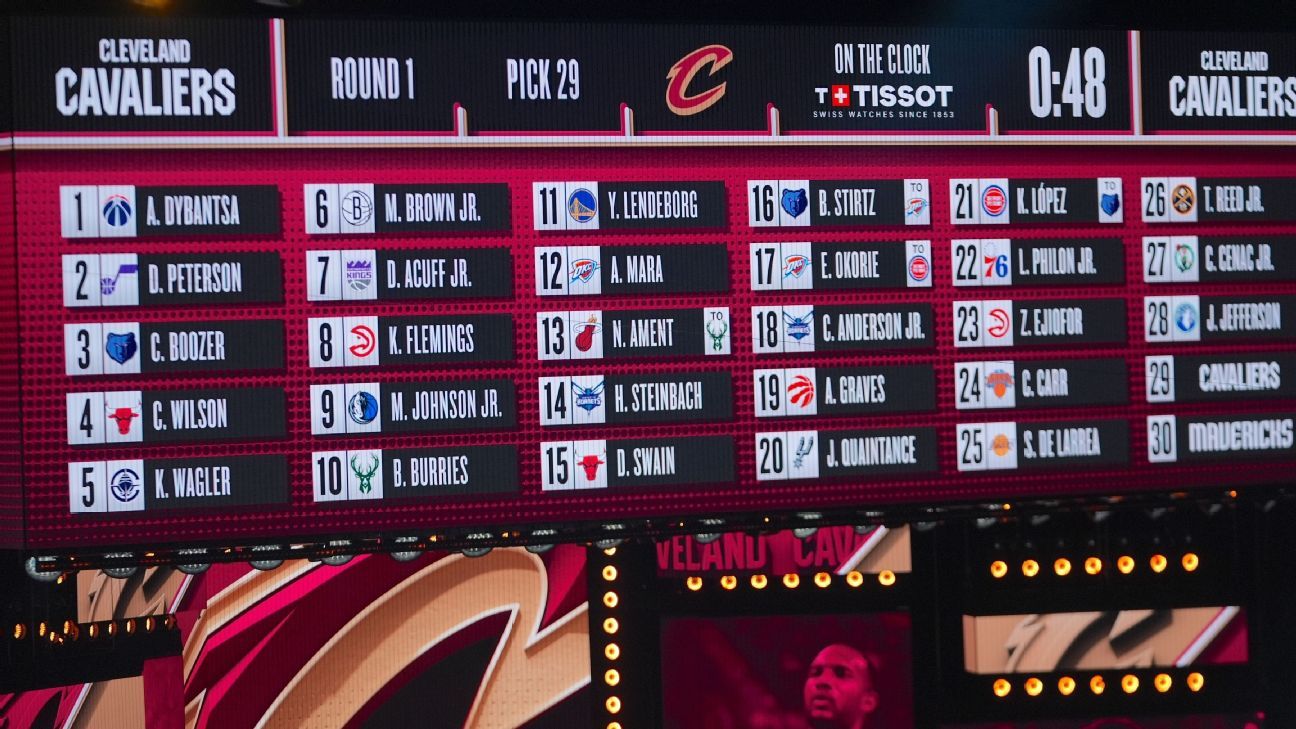
2026年NBA选秀或许已经落幕,但这不意味着我们就要停止讨论它。虽然乐透区没有带来太多惊喜——我在我的最终模拟选秀中命中了前八个顺位——但这届选秀有深度且充满趣味,并且贯穿着几个引人注目的主题。
第一个主题:乐透区零交易。很明显,各支球队真的很喜欢这届新秀,并且更看重将他们看中的顶尖球员收入囊中,而非换取未来资产。随着新的乐透抽签制度将在2027年实施,这一趋势可能不会改变。
另一个主题:NBA又开始重视大个子了。
哪支球队做出了我最喜欢的选秀选择——无论是在前十顺位还是之外?哪支球队选出了最好的选秀班底?联盟高管们在热议什么?哪些球员会入选最佳新秀阵容一阵?我花了数年时间研究这些新秀,对于这次选秀的结果,我有一些看法。让我们通过回答13个重要问题,来深入探讨这次选秀的余波:
跳转至话题:
最喜欢的选秀选择 | 最理想的着陆点 | 最佳价值之选
最大的惊喜 | 顶级选秀班底 | 高管热议
交易去哪儿了? | 年度最佳新秀之选
最佳新秀阵容 | 落选秀黑马
大胆预测 | 总体结论
整个选秀中,你最喜欢哪一个选择?
让我们把这个分为两类。我最喜欢的高调之选是达林·彼得森 (Darryn Peterson) 在第二顺位被犹他爵士选中。
我本来就会用状元签选他,所以很难不喜欢爵士的这个结果。这一点我已经解释过很多次了——请参阅我在首轮结束后关于他的文章。他会步入正轨并且变得极其出色。
我在前十顺位之外最喜欢的选秀选择是阿代·马拉 (Aday Mara) 在第12顺位被俄克拉荷马城雷霆选中。
我对俄克拉荷马城雷霆和圣安东尼奥马刺之间在未来几个赛季的博弈将如何演变着迷不已。我乐见其在选秀中展开。我不认为两支球队都囤积大个子球员是巧合。马拉是这届新秀中唯一一个能为雷霆提供他们目前所没有的阵容类型的潜力股。他会为雷霆的中锋位置带来更多的体型和技术,而雷霆有足够的阵容深度来优化他的上场时间。
你最喜欢哪一个价值之选?
杰登·昆坦斯 (Jayden Quaintance) 在第20顺位被圣安东尼奥马刺选中。
我喜欢马刺从发掘潜力的角度做出的选择。昆坦斯本周向记者确认,在2025年2月前交叉韧带撕裂后,他将需要再次手术来修复受伤的右膝。多支球队在选秀准备阶段告诉我,他最终可能不得不缺席下个赛季的全部比赛。但他是一位备受球探赞誉的球员,拥有出色的身体素质和防守潜力。健康的他正是马刺所需要的,但无法保证他能很快恢复健康。
因为伤病恢复很难预测,这件事可能会有很多变数。但如果这次选秀最终奏效,圣安东尼奥将拥有一个出色的长期前场组合,而且当维克托·文班亚马 (Victor Wembanyama) 不在场时,昆坦斯也可以撑起马刺的防守。我们肯定还需要一段时间才能知道结果,但对于一支能够承担风险的球队来说,这是一次正确的赌博。
哪位球员落入了能最大化其天赋的理想的着陆点?
亚克塞尔·伦德伯格 (Yaxel Lendeborg) 在第11顺位被金州勇士选中。
从某种程度上说,伦德伯格注定要加盟一支有竞争力的球队,纯粹是因为他的年龄(他到九月份就满24岁了)。但如果勇士想要有机会大获成功,他们就迫切需要最好的他出马,因为他将立即成为德拉蒙德·格林身边另一个前锋位置上的最佳选择。
我们应该很快就能知道这个选秀选择是否奏效,但至少在纸面上,他就是他们所需要的。
哪一个选择最让你感到惊讶?
小莫雷斯·约翰逊 (Morez Johnson Jr.) 在第九顺位被达拉斯独行侠选中。
这是少数几个我没有预料到的选秀之一。不过,我其实挺欣赏独行侠这一精明之举。没人能确定新任主教练达斯迪·梅——他曾在密歇根大学执教过约翰逊——对这个选秀权有多大影响力,而且独行侠当时也有几个不错的选项。约翰逊是密歇根三人组中最年轻、最不引人注目的一个,而独行侠却选择了他,这应该很能说明问题。
虽然当时选秀板上还有上线更高的人选——特别是内特·阿门特 (Nate Ament) 和阿代·马拉,我认为他们和独行侠的契合点很有意思——但约翰逊是一个文化型的选择,他将匹配库珀·弗拉格的强度,并帮助独行侠立刻赢球。
哪支球队选出了你最喜欢的选秀班底?
亚特兰大老鹰
老鹰是最让我感到振奋的球队,他们在第八顺位选中金斯顿·弗莱明斯 (Kingston Flemings) 和第23顺位选中祖比·埃吉奥福 (Zuby Ejiofor),这两位球员将在老鹰继续打造一支常胜之师的过程中提升球队的强度和韧性。
但我应该指出,我认为各队普遍选得不错——我没有看到任何不合逻辑的决定。
选秀过后第二天,联盟高管们在热议什么?
我留意到一件有趣的事,那就是洛杉矶快船显然一直在接听交易电话,直到他们在第五顺位选中基顿·瓦格勒 (Keaton Wagler)。我的理解是,亚特兰大老鹰和孟菲斯灰熊都在积极寻求交易。
然而,各队真的非常喜欢这届选秀——并且高度重视他们的乐透签——所以洛杉矶的要价自然也很高。快船最终按兵不动,选下了瓦格勒,我相信这是正确的选择。他在达里厄斯·加兰身边将会是一个绝佳的补充。
今年的首轮秀只涉及一些小交易。我们该预期这种趋势会持续下去吗?
乐透区最终没有发生任何交易,因为各队都非常喜欢前14顺位可选的新秀。所有的变动都发生在第15顺位之后,此时各队开始追逐特定球员,而孟菲斯灰熊和纽约尼克斯则玩起了积累资产的游戏。
2025年的乐透区也没有交易——顶尖顺位的选秀权就是不会那么频繁地易手。但我很好奇,随着选秀格局非常平坦,且2027届新秀可能没那么强,这种情况在2027年会是什么样。
五年后,我们都会纳闷为什么 ____________ 会在选秀中顺位下滑。
小克里斯·塞纳克 (Chris Cenac Jr.)
市场行情就是没有朝着对他有利的方向发展,几支季后赛球队在他之前选择了老将大个子。他在第27顺位被波士顿凯尔特人选中,这支球队近年来在培养非乐透秀并让他们逐渐进入角色方面做得非常出色。
身高6英尺11英寸的塞纳克有能力成为一名有用的NBA球员,而凯尔特人将帮助他建立一个明确的角色定位。
现在断言:谁将赢得NBA年度最佳新秀?
卡梅隆·布泽尔 (Cameron Boozer),孟菲斯灰熊
这位探花秀拥有迄今为止最清晰的通往产量、上场时间和核心角色的路径。追踪这个奖项的争夺将会很有趣,但基于他的球队情况和NBA准备程度,我会把他视为热门。
现在断言:哪些球员将入选NBA最佳新秀阵容一阵?
我的选择会相当中规中矩,但这五位前七顺位的新秀都有机会打出绝佳的赛季:
前锋 AJ·迪班萨 (AJ Dybantsa),华盛顿奇才
前锋 卡梅隆·布泽尔,孟菲斯灰熊
前锋 卡莱布·威尔逊 (Caleb Wilson),芝加哥公牛
后卫 达林·彼得森,犹他爵士
后卫 小达里厄斯·阿卡夫 (Darius Acuff Jr.),萨克拉门托国王
你最感兴趣追踪的落选秀是哪位?
奥斯卡·克拉夫 (Oscar Cluff),他将为休斯顿火箭出战夏季联赛,他最终应该配得上一份两年合同。
我不太理解为什么大家普遍对他缺乏兴趣:他身体强壮、有产出能力、身高6英尺11英寸,而且联盟显然正在重新倾向于重视优秀的大个子。可以将克拉夫视为类似约纳斯·瓦兰丘纳斯或阿隆·贝恩斯那种类型的球员,他最终可能作为一名功能性的替补角色球员展现价值。我上个赛季在普渡大学看他打球时莫名地很享受,他场均得到10.6分和7.5个篮板。
对这届新秀五年后做一个预测:
前四顺位的球队全部都会感到他们做出了正确的决定。
虽然我更喜欢彼得森而不是迪班萨,但在奇才队高薪续约特雷·杨之后,适配性因素对他们来说至关重要,而且我不质疑这个逻辑。迪班萨、布泽尔和卡莱布·威尔逊(芝加哥,第四顺位),最终都加盟了非常看重他们技术特点并为他们提供了即时、清晰上场时间路径的球队。
即使是对最优秀的新秀而言,潜力的最大化仍然与加盟合适的球队有关,而我相信他们都会成功兑现天赋。
你对这次选秀最重要的总体结论是什么?
我们正在首轮选秀中前所未有地看到数据分析的影响力。像埃布卡·奥科里 (Ebuka Okorie)(底特律活塞,第17顺位)、克里斯蒂安·安德森 (Christian Anderson)(夏洛特黄蜂,第18顺位)和艾伦·格雷夫斯 (Allen Graves)(多伦多猛龙,第19顺位)这样的球员,在选秀过程中顺位上升,就是这一点的直接结果。
那些凭肉眼观感更亮眼的球员,如小拉巴隆·菲隆 (Labaron Philon Jr.)(费城76人,第22顺位)和卡梅隆·卡尔 (Cameron Carr)(洛杉矶湖人,第24顺位),则滑落到了二十多顺位。效率极高但身材敦实的控球后卫布鲁斯·桑顿 (Bruce Thornton),是休斯顿火箭通过向上交易在第31顺位确保选到的球员。虽然预测性选秀模型的威力还不足以让布泽尔成为状元,但这已是一个会持续下去的趋势。
我也认为很明显,大个子球员回归了。小莫雷斯·约翰逊、阿代·马拉、祖比·埃吉奥福、汉内斯·施泰因巴赫 (Hannes Steinbach)(夏洛特,第14顺位)和小塔里斯·里德 (Tarris Reed Jr.)(圣安东尼奥,第26顺位)——这些以不同方式稳定球队的坚韧、可靠的球员——的顺位上升,恰恰说明了球队现在看重什么。
多伦多猛龙和圣安东尼奥马刺在前20顺位分别对格雷夫斯和杰登·昆坦斯进行了投机性选择,而马刺又用小塔里斯·里德加倍下注。我们正在看到,球队需要优质的大个子才能在季后赛中取胜,而这届新秀中这样的大个子并不多。这种稀缺性在过去几个月里随着这些球员选秀行情的上升而得到了体现。
由生成式 AI 翻译,译文内容可能不准确或不完整,以原文为准。
点击查看原文:2026 NBA draft recap: Best picks, execs buzz, ROY prediction
2026 NBA draft recap: Best picks, execs buzz, ROY prediction
The 2026 NBA draft might be over, but that doesn’t mean we have to stop talking about it. While the lottery didn’t offer many surprises – I hit the first eight picks in my final mock draft – this was a deep and interesting class, and there were a few compelling themes throughout.
The first: There were zero trades in the lottery. It’s clear teams really liked this class and valued taking the top guys on their boards instead of acquiring future assets. That trend might not change with the new lottery system coming in 2027.
Another theme: The NBA is valuing big men again.
Which team had my favorite pick – in the top 10 and outside it? Which team drafted the best class? What are execs buzzing about? And which players will be named first-team All-Rookie? I’ve spent years studying these prospects, and I have a few opinions about how things turned out. Let’s dig into the fallout of this draft by answering 13 big questions:
Jump to a topic:
Favorite picks | Ideal situation | Best value
Biggest surprise | Top class | Execs buzz
Where were the trades? | ROY pick
All-Rookie team | Undrafted underdog
Big prediction | Overall takeaway
What was your favorite pick of the entire draft?
Let’s separate this into two categories. My favorite high-profile pick was Darryn Peterson to the Utah Jazz at No. 2.
I would have taken him first, so it’s hard not to like this outcome for the Jazz. I’ve explained this plenty – check out my writeup on him after Round 1. He’s going to get right and be extremely good.
My favorite pick outside the top 10 was Aday Mara to the Oklahoma City Thunder at No 12.
Color me fascinated by how the chess match between OKC and San Antonio is going to evolve over the next few seasons. I enjoyed watching it unfold in the draft. I don’t think it’s a coincidence both teams loaded up on size. Mara was the only prospect in the class who could give the Thunder the type of lineup they didn’t already have. He will give them more size and skill at center, and they have the depth to optimize his minutes.
What was your favorite value pick?
Jayden Quaintance to the San Antonio Spurs at No. 20.
I liked what the Spurs did from an upside perspective. Quaintance confirmed to reporters this week that he will need another surgery to repair his injured right knee after tearing an ACL in February 2025. Multiple teams told me during the predraft process that he might end up having to miss all of next season. But he’s a player whom scouts rave about, with excellent physical skills and defensive upside. The healthy version of him is exactly what the Spurs need, but there’s no guarantee he will be healthy soon.
There are a lot of ways this can break since an injury recovery is hard to predict. But if this works out, San Antonio will have a stellar long-term frontcourt pairing, and Quaintance could also prop up the Spurs’ defense with Victor Wembanyama off the floor. It’ll be a while before we know for sure, but this was the correct gamble for a team that can afford the risk.
Which player landed in the ideal situation to maximize his talent?
Yaxel Lendeborg to the Golden State Warriors at No. 11.
In a way, Lendeborg was predestined to land on a winning team, purely due to his age (he will turn 24 in September). But if the Warriors are going to have a chance to win big, they’ll sorely need him at his best since he will immediately be their best option at the other forward slot next to Draymond Green.
We should know quickly if this pick is going to work out, but he’s exactly what they need on paper.
Which pick most surprised you?
Morez Johnson Jr. to the Dallas Mavericks at No. 9.
This was one of the few picks I didn’t see coming. I actually liked how shrewd it was for Dallas, though. No one was sure of the level of influence new coach Dusty May – who coached Johnson at Michigan – would have on this pick, and there were several good options available for the Mavericks. It should tell you plenty that Johnson, the youngest and least flashy of the Michigan trio, was the player Dallas selected.
While there were bigger upside swings on the board – Nate Ament and Aday Mara in particular were fits I thought were interesting for the Mavericks – Johnson was a culture pick who will match Cooper Flagg’s intensity and help Dallas win games right away.
Which team drafted your favorite class?
Atlanta Hawks
The Hawks were the team that most inspired me, adding Kingston Flemings (No. 8) and Zuby Ejiofor (No. 23), two players who will raise the bar for intensity and toughness as Atlanta continues to configure a winner.
But I should note that I thought teams generally drafted well – I didn’t see any decisions that defied logic.
What are execs in the league buzzing about the day after the draft?
One interesting thing I caught wind of is that the LA Clippers were apparently taking calls up until they used the No. 5 pick on Keaton Wagler. My understanding is that the Hawks and Memphis Grizzlies were in pursuit.
However, teams really loved this draft – and highly valued their lottery picks – and LA’s asking price was justifiably high. The Clippers stood pat with Wagler, who I believe was the correct pick. He’ll be an outstanding fit next to Darius Garland.
Round 1 featured only minor trades this year. Should we expect that trend to continue?
There were ultimately no trades within the lottery because teams loved the prospects available in the top 14. All the movement happened after No. 15, as franchises began chasing specific players, and Memphis and the New York Knicks played the asset accumulation game.
There were no trades in the 2025 lottery either – top picks simply don’t change hands that often. But I’m curious how this will look in 2027, with the draft landscape very flat and the draft class not likely to be as strong.
In five years, we’re all going to wonder why ____________ fell in the draft.
Chris Cenac Jr.
The market simply didn’t go his way, with several playoff teams opting for veteran bigs ahead of him. He landed at No. 27 with the Boston Celtics, who have done a fantastic job of developing non-lottery picks in recent years and easing them into roles.
The 6-foot-11 Cenac has the ability to be a useful NBA player, and the Celtics will help him develop an identity.
Call it now: Who will win NBA Rookie of the Year?
Cameron Boozer, Memphis Grizzlies
The No. 3 pick has by far the clearest path to production, minutes and a featured role. This will be a fun race to track, but I would call him the favorite based on situation and NBA-readiness.
Call it now: Which players will be named to the NBA All-Rookie first team?
My picks will be pretty chalky, but all five of these top-seven picks have a chance at outstanding seasons:
F AJ Dybantsa, Washington Wizards
F Cameron Boozer, Memphis Grizzlies
F Caleb Wilson, Chicago Bulls
G Darryn Peterson, Utah Jazz
G Darius Acuff Jr., Sacramento Kings
Which undrafted player are you most interested to follow?
Oscar Cluff, who is going to play summer league with the Houston Rockets, should eventually be worth a two-year deal.
I don’t totally understand the general lack of interest in him: He’s physical, productive, 6-foot-11 and the league is clearly tilting back toward teams valuing good bigs. Think of Cluff as a player similar to Jonas Valanciunas or an Aron Baynes-type who could eventually have value as a niche role player off the bench. I irrationally enjoyed watching him last season at Purdue, where he averaged 10.6 points and 7.5 rebounds.
Make one prediction about this class five years from now:
All of the top four teams walk away feeling like they made the right decisions.
While I preferred Peterson to Dybantsa, the fit factor was critical for the Wizards after they paid Trae Young, and I don’t question the logic. Those two, Boozer and Caleb Wilson (Chicago, No. 4), wound up in organizations that strongly value their skills and have immediate, clear paths to playing time.
Even for the best prospects, maximizing potential still has to do with landing in the right spot, and I’m confident they’ll all pan out.
What is your top overarching takeaway from this draft?
We’re seeing the influence of analytics more than ever up and down the first round. Players such as Ebuka Okorie (Detroit Pistons, No. 17), Christian Anderson (Charlotte Hornets, No. 18) and Allen Graves (Toronto Raptors, No. 19) rose during the process as a direct result of that.
Flashier eye-test players such as Labaron Philon Jr. (Philadelphia 76ers, No. 22) and Cameron Carr (Los Angeles Lakers, No. 24) slipped into the 20s. Super-efficient but stout point guard Bruce Thornton was a player Houston traded up to make sure they got at No. 31. While the power of predictive draft models wasn’t enough to get Boozer drafted No. 1, this is a trend that’s here to stay.
I also think it’s clear that big men are back. The rise of Johnson, Mara, Ejiofor, Hannes Steinbach (Charlotte, No. 14) and Tarris Reed Jr. (San Antonio, No. 26) – tough, reliable players who stabilize teams in different ways – goes to show what teams now value.
Toronto and San Antonio threw darts on Graves and Quaintance in the top 20, and the Spurs doubled down with Reed. We’re seeing that teams need quality bigs to win in the playoffs, and there just weren’t that many of them in this class. That scarcity was reflected as those players moved up the board over the past few months.
By Jeremy Woo, via ESPN