By John Hollinger | The Athletic, 2026-06-16 09:00:30
喂?有人在吗?
NBA自由球员市场将于美东时间6月30日下午6点开启,但在过去十年里,这个日期的瞩目程度已经严重下滑。
究其原因:优秀的球员再也不会通过这种方式换队了。针对完全自由球员的规则变化,促使球队和球员在进入自由市场之前就早早达成提前续约协议;而在需求端,与利用伯德权(Bird rights)和全额中产特例(NTMLE,即非纳税人中产特例)的优势相比,作为一支拥有薪金空间的球队来运作,其生存方式正变得越来越艰难。这两大阻碍高影响力球员流动的因素已经深深烙印在联盟的运行机制中,以至于我们甚至都顾不上把责任归咎于奢侈税线(tax aprons)了。
例如上赛季,在我评选的前11名自由球员中,只有一人在自由市场换了球队(迈尔斯·特纳 (Myles Turner)),而为了实现这一点,密尔沃基雄鹿队不得不使出浑身解数,裁掉并使用延伸条款分摊达米安·利拉德 (Damian Lillard)的合同,并竭尽所能利用非伯德自由球员权利和底薪特例来构建阵容的其余部分。
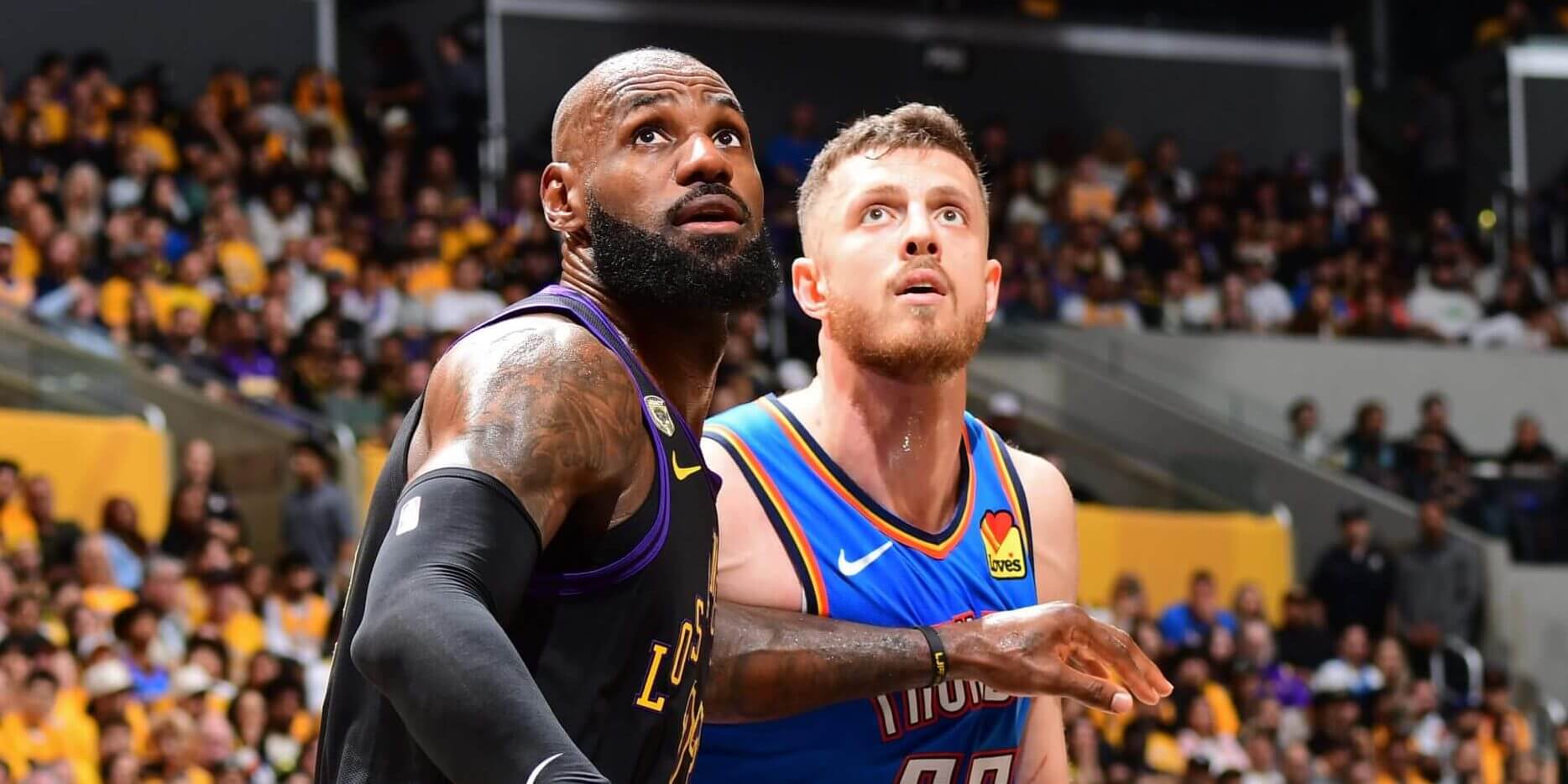
因此,我们在自由市场中看到的任何人员流动,很可能都来自NBA的“高龄群体”:41岁的勒布朗·詹姆斯 (LeBron James)在洛杉矶的前景似乎有些扑朔迷离,而36岁的“年轻小伙”詹姆斯·哈登 (James Harden)在赛季中期被交易到克利夫兰之前,似乎也处于类似的境地。
今年七月,我们可能会看到很多球队在原地打转。也许我们会迎来一些惊喜,比如有球队给奥斯汀·里夫斯 (Austin Reaves)或杰伦·杜伦 (Jalen Duren)开出天价报价,让他们的母队感到动摇,但最好别抱太大期望。
除了詹姆斯,在我的榜单上,似乎有合理机会换队的最佳完全自由球员是……基恩·埃利斯 (Keon Ellis)?桑德罗·马穆凯拉什维利 (Sandro Mamukelashvili)?事实上,我名单上的许多球员可能根本不会成为自由球员,或者他们这样做只是为了与现东家达成下一份早已谈妥的合同而演的一出戏。
然而,其他球队开出报价合同的威胁依然存在。正因如此,七支潜在拥有薪金空间的球队(亚特兰大、布鲁克林、芝加哥、底特律、孟菲斯以及洛杉矶的两支球队)将在今年夏天的博弈中占据重要地位,哪怕它们只是经纪人在合同谈判中用来施压的“假想敌”。
然而,薪金空间只是问题的一半。自由球员市场的下一个问题是如何评估球员的价值。这就是我派上用场的地方。
我开发了一套名为 BORD$(“Big Old Rating Dollars”的缩写)的球员估值系统。该系统利用过去两个赛季的数据分析和出场时间数据,根据球员的年龄和表现预测其在新赛季的价值,然后结合 2026-27 赛季 1.65 亿美元的预测工资帽,将预测的表现和出场时间转化为预估薪水。(关于该方法的更多信息,请参阅五年前的这篇报道。)
以下是我整理的今年夏天 25 大自由球员名单(我们还将提供每个位置上所有具有现实可能性的潜在自由球员的估值)。我之所以说“具有现实可能性”,是因为我排除了一类球员:那些手握无保障合同、而球队傻到家才会裁掉他们的球员(例如底特律的邓肯·罗宾逊 (Duncan Robinson)),或者由于球队薪金空间状况而不太可能被拒绝的底薪球队选项球员(例如多伦多的贾马尔·谢德 (Jamal Shead))。
经过筛选后,我得到了 24 名球员,BORD$ 系统对他们的估值至少高于非纳税人中产特例(下赛季预计为 1500 万美元)。这并不意味着他们最终能拿到这个价码,但对于在一个更加均衡的市场中衡量什么是“合理”身价来说,这是一个很好的起点。
话不多说,以下是 BORD$ 对前 25 名球员的估值。(所列年龄均为截至 6 月 30 日自由球员市场正式开启时的年龄。)
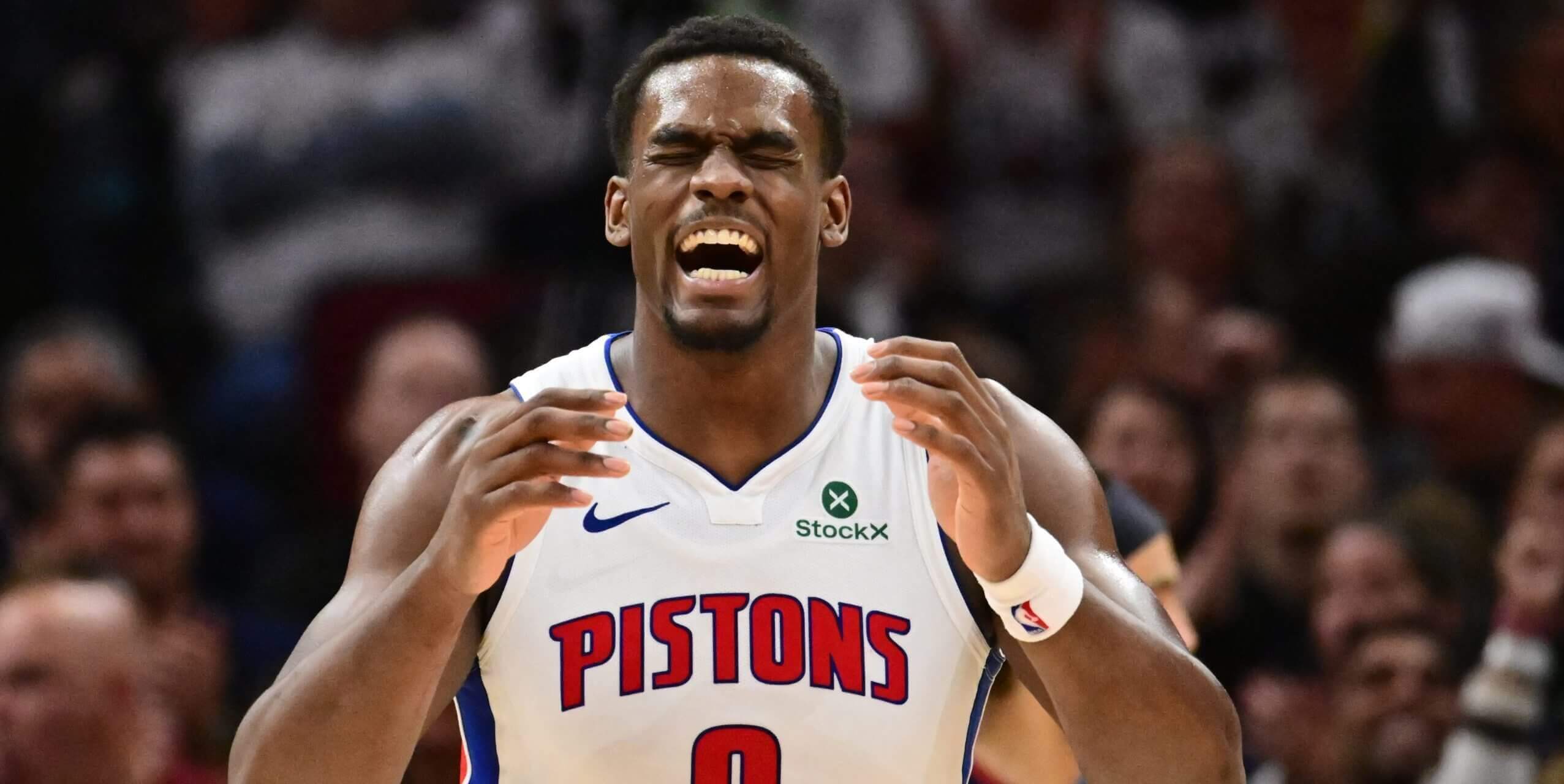
杰伦·杜伦糟糕的季后赛表现会影响他的市场行情吗?(Ken Blaze / Imagn Images)
第一档:顶薪球员
1. Jalen Duren, C, Detroit (restricted): $44,200,295
BORD$ 是基于常规赛产出进行评估的,因此不包括杜伦的季后赛表现。我想大家都会同意,他今年春天的表现确实有些令人大失所望,温德尔·卡特 (Wendell Carter Jr.)和贾勒特·阿伦 (Jarrett Allen)的表现都压过了他,而且当他不在场时,活塞队的表现往往更好。
杜伦在季后赛的效率值(PER)仅为 13.8,几乎只有常规赛(26.0,高居联盟第六)的一半。他的低光表现包括 -1.7 的 BPM(正负值贡献值),在常规赛以 68.8% 的真实命中率领跑联盟后,季后赛这一数据跌至平庸的 55.3%,并且在首轮对阵奥兰多魔术队的比赛中,沦为了贾马尔·凯恩 (Jamal Cain)惊天隔扣的背景板。
正因如此,我认为我们可以降低这 4400 万美元的估值。杜伦在入选最佳阵容第三阵后有资格签下超级顶薪,但在经历了这样的季后赛之后,即使是在新秀合同结束后拿到较低档的顶薪(五年 2.39 亿美元)也将面临挑战。另一方面,杜伦只有 22 岁,且刚刚度过了一个入选全明星的常规赛,如果活塞队犹豫不决,像布鲁克林和芝加哥这样拥有薪金空间的球队将会带着报价合同虎视眈眈。一份五年 2 亿美元的合同将使他的年薪达到 4000 万美元,并能将他留在底特律度过其职业生涯的黄金期;这看起来是一个合理的最终结果。
第二档:高于中产特例,低于顶薪
2. James Harden, PG, Cleveland (player option, partial guarantee): $36,396,260
哈登的合同结构非常复杂,其中既包含一个 4200 万美元的球员选项,也包含一份部分保障条款——如果他执行该选项,骑士队只需支付 1330 万美元就可以将其裁掉。
你可能不用担心这两种情况,因为拒绝该选项并签下一份新合同符合哈登和骑士队双方的利益,新合同的范围可能在两年 6500 万至 7000 万美元之间。这种安排将略微减轻骑士队在新赛季面临的沉重薪资压力,同时给哈登提供更多的长期保障(至少在进入 37 岁赛季时,这是可能争取到的最大保障)。无论如何,如果他在揭幕战时没有留在克利夫兰,那才叫令人震惊。
3. Austin Reaves, SG, Lakers (player option): $34,429,743
里夫斯显然会选择跳出目前的合同(他在 2026-27 赛季的薪水仅为微薄的 1490 万美元),而湖人队可以利用他极低的预留空间(2090 万美元)先用薪金空间填补阵容,然后再回头与他签下一份更符合市场行情的合同。根据 BORD$ 的评估,对于一位 28 岁、虽然存在防守和耐用性疑问,但上赛季证明了自己可以担任高使用率、主导进攻发起者的球员来说,这份合同的最终落脚点似乎在四年 1.4 亿美元左右。
然而,湖人队可能会被迫开出更高的价码。作为市场上最受瞩目的完全自由球员之一,里夫斯可能会吸引急需天赋的竞争对手(如布鲁克林篮网队)开出令人难以拒绝的顶薪报价。
4. Isaiah Hartenstein, C, Oklahoma City (team option): $32,092,088
哈尔滕施泰因 (Isaiah Hartenstein)的球队选项为 2850 万美元,这意味着在正常情况下,雷霆队可能直接执行该选项,或者执行选项并在此金额的基础上与他提前续约。
但俄克拉荷马城财务状况的现实可能需要更精细的操作。一个切合实际的方法是,雷霆队拒绝该选项,并与哈尔滕施泰因重新签下一份四年或五年的长约,将资金分摊开来,即使合同后期可能会溢价。例如,拒绝选项并签下一份四年 1.1 亿美元或五年 1.4 亿美元的合同,将使他在 2026-27 赛季的薪金空间占用额减少约 400 万美元,从而让雷霆队在应对步步逼近的奢侈税线时拥有更多的操作空间。
5. LeBron James, PF, Lakers: $31,960,618
詹姆斯依然是一位极具价值的球员,我的年龄衰退算法可能会低估他在 2026-27 赛季的潜在贡献;毕竟在“进入 42 岁赛季的高使用率前锋”这一领域,我们确实没有任何历史数据可供参考。目前来看,他很可能会寻求一份一年期的合同(由于38岁条款的限制,他无法签下超过三年的合同),因此问题主要在于薪水(在一定程度上)和契合度(很大程度上)。
解决后一个问题可能需要对前一个问题进行大幅度让步(降薪),因为那些既需要詹姆斯、又有合理机会争夺重要荣誉的球队,通常也不是那种手握大把闲置薪金空间的球队。即使重返湖人也面临着复杂的局面,因为全额支付他的薪水将使洛杉矶失去一些薪金空间运作方案,而等到未来夏天里夫斯(据推测)的薪水达到现在的三倍左右时,湖人队将不再拥有这些空间。
6. Trae Young, PG, Washington (player option): $29,495,966
在过去五年里,我观看特雷·杨 (Trae Young)比赛的次数,可能比除了老鹰队工作人员或全职报道老鹰队的记者之外的任何人都多。对于一支急需进攻核心的球队来说,他绝对是单枪匹马就能撑起进攻的引擎,绝对是精英级别的传球手,但两年前他也确实慢了一步,现在面对换防时比以前更加吃力,而且在防守端绝对是容易被针对的漏洞,尽管他现在至少在防守端努力了。(关于此处的更多信息)
作为一名即将进入 28 岁赛季的矮个后卫,风险不在于年薪的高低,而在于合同的年限。你绝对不想在杨的衰退期被一份巨额合同套牢,尤其是对于像华盛顿这样仍处于重建阶段的球队。他拥有一个 4900 万美元的球员选项,虽然跳出合同并重新签约是一个选择,但对于奇才队的薪金空间管理来说,在现有金额的基础上直接延长合同年限可能会是更好的操作。
例如,达成一份总计三年 1.1 亿美元的合同,将使奇才队的账单上增加两个年薪 3000 万美元的新赛季,这不仅能在奢侈税方面为后续的引援 and 续约留出空间,还能为 2027 年夏天的薪金空间运作打开一扇大门。与上述的哈登一样,杨换队的可能性微乎其微。
7. Julian Champagnie, SF, San Antonio, (team option, non-guaranteed): $25,726,203
马刺队在 2026-27 赛季不会是一支昂贵的球队,但两年内,一旦维克托·文班亚马 (Victor Wembanyama)、斯蒂芬·卡斯尔 (Stephon Castle)、迪伦·哈珀 (Dylan Harper)和卡特·布莱恩特 (Carter Bryant)都获得续约资格,他们的薪资总额将变得极其惊人。
因此,他们有明显的动机取消朱利安·尚帕尼 (Julian Champagnie)在新赛季廉价的球队选项,并与他签下一份金额逐年递减的新合同,而不是等到他在 2027 年成为完全自由球员时再去支付全额高薪。
这可能意味着要承诺一份大约五年 1 亿美元左右的合同,即在球队选项之外,再支付他略低于九位数的新资金,并将这些资金分摊到五个赛季中。为了进一步平滑薪金空间占用,圣安东尼奥可以让合同首年金额达到最大值,然后每个赛季递减 8%。
8. Neemias Queta, C, Boston, (team option, partial guarantee): $25,638,207
凯尔特人队面临着与上述哈尔滕施泰因类似的境地。内米亚斯·克塔 (Neemias Queta)已经证明了自己是一个合格的首发中锋,其身价是他 267 万美元薪水的数倍,但如果凯尔特人队能以优厚条件吸引他续签一份更长的合同,他们就有动力拒绝该选项。
唯一的复杂之处在于,波士顿可能希望在 2026-27 赛季保持在奢侈税线以下,以避免在接下来的三年中触发超级重复奢侈税;如果凯尔特人队还想将中产特例用于提升前场深度,事情可能会变得棘手。然而,四年 6500 万至 7000 万美元左右的合同可能是一个两全其美的黄金平衡点。
9. Tari Eason, SF, Houston (restricted): $24,110,720
塔里·伊森 (Tari Eason)和火箭队曾接近达成一份金额大致相当的提前续约合同,但未能赶在新秀合同提前续约截止日期前敲定所有细节。对伊森来说,最重要的统计数据是出场数——他出战了 60 场常规赛,外加全部 6 场季后赛,这是他自新秀赛季打满 82 场以来出场次数最多的一年。
伊森还通过在可观的出手次数下投出 35.8% 的三分命中率,展现了自己作为 3D 球员的真正实力。当然,他在防守端(“D”的部分)的名声要响亮得多,作为一名拥有侧翼优秀身材和敏锐抢断直觉的球员,伊森堪称防守端的“混乱制造者”。
所有这些应该能让他的市场行情保持在三年 7500 万美元左右;问题更多在于合同中会附加多少附加条款来防范身体健康问题。火箭队肯定会向他开出 800 万美元的资质报价,而且鉴于火箭队目前大体健康的薪金空间,可以推测他们会匹配任何合理的报价合同。

太阳队后卫科林·吉莱斯皮在菲尼克斯度过了一个美妙的赛季。(Mark J. Rebilas / Imagn Images)
第三档:中产特例级别球员
10. Collin Gillespie, PG, Phoenix: $21,472,942
这个估值听起来可能相当夸张,因为科林·吉莱斯皮 (Collin Gillespie)的职业生涯直到他在 26 岁赛季爆发前一直没什么起色,但他去年的表现确实太棒了。在可观的出手次数下,他职业生涯的三分命中率高达 40.5%,在防守端能站稳脚跟,并且能够梳理进攻。给他开出相当于第五首发级别的薪水并不算疯狂。
然而,市场行情可能对他稍微有些不利,因为太阳队只拥有吉莱斯皮的早伯德权,这限制了他们在 2026-27 赛季最多只能给他开出约 1560 万美元的起薪。这仍然能让菲尼克斯压过那些开出非纳税人中产特例的竞争对手,因此这最终可能是吉莱斯皮的最佳选择。一份三年约 5100 万美元的合同会是一个不错的解决方案,特别是如果太阳队能在保持总薪资低于第二档奢侈税线的同时,设法同时留住他和马克·威廉姆斯 (Mark Williams)。
11. Keon Ellis, SG, Cleveland: $19,989,738
相比于执教他的教练们,我的数据模型一直以来都对埃利斯要看好得多,这次的估值也不例外。骑士队在赛季中期从萨克拉门托交易来埃利斯后几乎没有使用过他,而国王队此前更令人费解地不愿让他上场,这正是他最初被摆上货架的原因。
在最佳状态下,埃利斯是一名优秀的防守型后卫,在空位三分投射上极其靠谱(职业生涯命中率高达 40.7%!),但面对顶级侧翼时他身材偏矮,且无法提供太多的自主进攻创造力。因此,我认为他的真实市场价可能只有这个估值的一半。即便在这个价格上,骑士队的奢侈税问题似乎也让他们不太可能成为他的归宿。26 岁的埃利斯可能会非常适合像布鲁克林这样的重建球队,或者是像犹他或华盛顿这样正走出低谷的球队。
12. Kevin Porter Jr., PG, Milwaukee (player option): $19,960,319
小凯文·波特 (Kevin Porter Jr.)是雄鹿队在 2025-26 赛季的第二好球员,并且在训练营开启时他可能是最好的那个,尽管他在出战的 38 场比赛中三分线外手感冰凉(命中率仅为 32.2%)。
波特在其他球队留下的问题以及在防守端飘忽不定的投入度,可能会让他的薪水上限低于 BORD$ 的这一估值,因为在八位数的价格区间,雄鹿队在争夺他时可能不会面临太多竞争。然而,他肯定会跳出 2026-27 赛季 540 万美元的合同。作为一名拥有早伯德权的球员,如果需要,雄鹿队可以在 2026-27 赛季支付约 1560 万美元的起薪来留住他——这刚好压过了会让其他球队介入的非纳税人中产特例金额(1500 万美元)。一份略低于此、在三年 4000 万美元左右的合同,似乎是一个合理的黄金平衡点。
13. Tobias Harris, PF, Detroit: $19,715,982
友情提示:BORD$ 不包括季后赛。托拜厄斯·哈里斯 (Tobias Harris)度过了一个扎实的常规赛,但在底特律的季后赛征程中,他真正证明了自己的价值——在杜伦表现挣扎时,他承担起了活塞队第二进攻选择的重任。通过这样的表现,他证明了无论活塞队计划如何规划未来的薪金空间,白白放走哈里斯都不是一个可行的选择,除非他们能在同一位置上获得全明星级别的升级。
说了这么多,无非是想表明,即使即将年满 34 岁,哈里斯也很可能会拿到一份相对接近他 2024 年最初在底特律签下的两年 5000 万美元的合同——这次可能更接近 4000 万而不是 5000 万,但仍然会超过中产特例。底特律的薪资账目可以轻松承受这个区间内的价格。
14. Sandro Mamukelashvili, C, Toronto (player option): $19,419,741
在上一季作为一名能得分、能拉开空间的替补大个子大放异彩后,马穆无疑会跳出他 280 万美元的合同。对他的估值很微妙,因为他的防守可能使他无法在担任首发中锋时提供正向价值,所以问题在于各支球队愿意为一名优秀的替补球员支付多少薪水。
虽然他的估值高于 1500 万美元的非纳税人中产特例,但我认为这个价格实际上会成为他今年夏天的薪水上限。需要注意的是,他仍有可能重返多伦多,但这需要猛龙队动用他们的特例空间,因为他们并不拥有马穆凯拉什维利的伯德权。
15. Deandre Ayton, C, Lakers (player option): $19,305,583
好吧,也许他不是“顿宝统治力”(Dominayton),但叫他“高效艾顿”(Decently Productivayton)如何?
德安德烈·艾顿 (Deandre Ayton)在洛杉矶签下了一份性价比合同,以便今年夏天能重新进入市场争取更丰厚的报酬。他尽到了自己的职责,减少了在 15 英尺外投篮砸前筐的次数,增加了冲击篮筐的频率,为湖人队提供了一个扎实的首发中锋。
他肯定会跳出 810 万美元的合同,鉴于湖人队潜在的薪金空间运作,以及他们不拥有艾顿伯德权的事实,湖人可能不会带回他。这立刻使他成为市场上最容易得到的手头有首发实力的中锋候选人之一,而像公牛或篮网这样急需中锋且拥有薪金空间的球队,可能会将他的身价推高到非纳税人中产特例之上。
16. Norman Powell, SG, Miami: $19,165,238
诺曼·鲍威尔 (Norman Powell)力压他那位单场砍下 83 分且入选最佳防守阵容的队友入选了全明星,这客观上是对鲍威尔在赛季前半段火热投篮手感的一次令人捧腹的过度反应。在 33 岁的年纪,鲍威尔的市场行情不会过于火爆,尤其是在长约方面,而且迈阿密在休赛期的其他不确定因素(咳 扬尼斯 (Giannis) 咳)可能会限制热火队在自由市场开启时挽留他的决心。
话虽如此,迈阿密拥有其完整的伯德权,且奢侈税和超级奢侈税线的情况非常可控。如果签下一份短期合同,他的合同将非常具有交易价值。有一种方案是短期内溢价续约——比如两年 5000 万美元——从而为迈阿密提供足够的薪资配平筹码,以便日后在交易中进行薪资匹配。
17. John Collins, PF, Clippers: $18,890,305
约翰·科林斯 (John Collins)直到 9 月下旬才满 29 岁,在离开亚特兰大后,他已经连续打出了三个扎实的、首发级别的赛季。关键在于他在三分球投射上的进步,他在 2024-25 赛季投出了 39.9% 的三分命中率,在 2025-26 赛季更是达到了 40.6%。这种空间属性使他能够胜任大前锋,并减少了他作为一名矮个中锋对顺下攻筐的依赖。
快船队拥有科林斯的伯德权,但在经历了一个令人失望的 2025-26 赛季后,他们可能会选择保留薪金空间的方案,而不是带回原班人马。如果他离开洛杉矶,他很可能会成为那些拥有全额非纳税人中产特例球队的目标,尤其是那些需要首发大前锋或顶级前场替补的球队。在他这个年纪,球队可能希望将合同控制在三年,甚至争取签下两年。
18. Coby White, SG, Charlotte: $18,121,736
科比·怀特 (Coby White)是一名极具价值的得分手,他的定位更倾向于精英级别的第六人而非首发,但他能打持球也能打无球,并且拥有足够的身材去防守得分后卫。这应该至少能让他的身价达到非纳税人中产特例的水平,鉴于他只有 26 岁且市场上有数支拥有薪金空间的球队,他的最终身价很可能会高于这一水平。
如果夏洛特全额支付他的薪水,会面临一些轻微的奢侈税问题,但这些问题很容易通过将一份表现不佳、年薪在千万美元左右的合同(例如格兰特·威廉姆斯 (Grant Williams)、乔什·格林 (Josh Green)和/或特雷·曼 (Tre Mann)的合同)送往其他地方来解决。
19. Lu Dort, SF, Oklahoma City (team option): $17,705,328
雷霆队下赛季似乎不太可能继续留住卢·多尔特 (Lu Dort)。他们在他的位置上拥有多名更好且更年轻的球员,球队预计将超出预测的奢侈税线 4000 万美元,而且多尔特刚刚度过了一个低迷的赛季,在西部决赛中他的表现明显挣扎。
雷霆队最可行的脱身途径是将他交易以换取一两个次轮签,并创造一个 1700 万美元的交易特例;鉴于多尔特还剩一年 1770 万美元的合同(请注意,该合同还包含 100 万美元不易达到的奖金,这也会计入超级奢侈税线计算)——这几乎与他的 BORD$ 估值相同——对于接手球队来说,这似乎是一个公平的交易。他也可以作为同一笔交易的一部分获得提前续约。如果雷霆队无法达成交易,另一个结局是拒绝多尔特的球队选项,这可能会让他收到全额非纳税人中产特例的报价。
20. Fred VanVleet, PG, Houston, (player option): $17,526,557
弗雷德·范弗利特 (Fred VanVleet)因前交叉韧带(ACL)撕裂缺席了整个赛季,因此 BORD$ 在这里是根据他的年龄 and 以往的履历进行推算。他拥有一份 2500 万美元的球员选项;他可以直接执行该选项,并在明年作为完全自由球员去碰碰运气。
然而,对各方来说更好的方案可能是他拒绝该选项,并立即与休斯敦重新签约,新合同在 2026-27 赛季的薪水较低(以便火箭队控制奢侈税线),但能为这位 32 岁的球员提供未来几年更多的保障。也许是一份三年 7000 万美元左右的合同。

克里斯塔普斯·波尔津吉斯很有产出……前提是他能上场。(Mark J. Rebilas / Imagn Images)
21. Kristaps Porziņģis, C, Golden State: $16,860,043
克里斯塔普斯·波尔津吉斯 (Kristaps Porziņģis)在亚特兰大能够上场时表现相当出色;不幸的是,这大概就像日食一样罕见,而且在金州勇士队时情况也没有太大改善。在目前这个阶段,球队需要将他视为一个能提升球队上限的球员,在健康时他能为球队增加新的维度,但在漫长的赛程中,他也会有很大一部分时间令人沮丧地无法出战。
由于健康问题,他目前可能在寻求一份一年或两年的合同,估值在非纳税人中产特例左右。勇士队拥有波尔津吉斯的伯德权,而且他看起来在勇士队和在其他任何地方一样合适;两年 2500 万至 3000 万美元左右的合同看起来很合理,并且能让他与勇士队其他老将的合同年限保持一致。
22. CJ McCollum, PG, Atlanta: $16,536,607
CJ·麦科勒姆 (CJ·McCollum)从华盛顿加盟后,成为了亚特兰大进攻端完美的火花塞;但遗憾的是,他将在 9 月份年满 35 岁,与这支充满 20 多岁年轻人的老鹰队阵容时间线并不太契合。巧合的是,BORD$ 对他的估值仅比非纳税人中产特例高出一点点,因为这似乎是他下一份合同的合理落脚点。鉴于麦科勒姆的年龄,两年期合同大约是可承受的最大风险,但在没有更大交易的情况下,两年 3000 万至 3500 万美元左右的合同不会破坏亚特兰大的薪金空间。
在某种情况下,老鹰队以一份 3000 万美元左右、第二年无保障的巨额一年期“气球合同”重新签下麦科勒姆是有一定道理的。亚特兰大距离预测的奢侈税线还有很远的距离,这样一份合同可以在赛季中期用于交易顶级天赋;当然,老鹰队在乔纳森·库明加 (Jonathan Kuminga)身上也面临着类似的潜在情况,因此他们可能不需要利用麦科勒姆的合同来完成这一操作。
23. Mark Williams, C, Phoenix (restricted): $16,190,218
威廉姆斯为太阳队出战了职业生涯新高的 60 场比赛,这有助于打消人们对他耐用性的质疑,现在他似乎注定要获得加薪。他 960 万美元的资质报价足够便宜,菲尼克斯肯定会开出这一报价,使他成为一名受限制自由球员。
菲尼克斯的难点在于,在第一档奢侈税线(first apron)之下是否有足够的空间同时带回威廉姆斯和吉莱斯皮,这可能需要太阳队交易掉他们 19 个得分后卫中的一个。鉴于他的受限制身份和耐用性问题,威廉姆斯的价格应该不会太离谱;非纳税人中产特例似乎是一个切合实际的上限。
24. Walker Kessler, C, Utah (restricted): $15,795,301
由于犹他爵士队在过去两年里摆烂,BORD$ 很可能大大低估了沃克·凯斯勒 (Walker Kessler)的价值;爵士队在 2025-26 赛季仅让他打了五场比赛后就宣布其赛季报销,而他在前一个赛季也只打了 58 场比赛。然而,凯斯勒是联盟中最好的盖帽手和篮筐终结者之一,职业生涯盖帽率高达 8.3%,并在 2024-25 赛季领跑联盟的前场篮板率。那个赛季,在他投中的 272 个两分球中,有 131 个是扣篮,这也解释了为什么他的两分球命中率高达 70.6%。
简而言之,凯斯勒是一位非常有价值的球员,这个数字是一个极低的下限。如果他最终拿到的年薪几乎是这个数字的两倍,我一点也不会感到惊讶,尤其是如果有那些试图利用薪金空间的“报价合同鲨鱼”来争夺他的话。
25. Ayo Dosunmu, SG, Minnesota: $14,485,494
在赛季中期从芝加哥被交易过来后,阿约·多苏姆 (Ayo Dosunmu)在季后赛中通过单场砍下 43 分以及其他几次出色的表现,向明尼苏达证明了自己的价值。他是一名完全自由球员,因此森林狼队必须提供一份符合市场价值的合同,但他们似乎可以开出非纳税人中产特例或略高一点的价码,通过一份三年期合同留住这位 26 岁的球员,并击退任何合理的竞争对手。
由生成式 AI 翻译,译文内容可能不准确或不完整,以原文为准。
点击查看原文:From Jalen Duren to LeBron James to Ayo Dosunmu, the NBA offseason's Top 25 free agents
From Jalen Duren to LeBron James to Ayo Dosunmu, the NBA offseason’s Top 25 free agents
Hello? Anyone here?
NBA free agency starts at 6 p.m. Eastern on June 30, but in the last decade, the prominence of this date has taken a serious nosedive.
The reason: Nobody good changes teams this way anymore. Rule changes on unrestricted free agency have incentivized both teams and players to agree to extensions long before they hit the open market, while on the demand side, operating as a cap space team is an increasingly onerous way to live compared to the advantages of using Bird rights and the non-taxpayer midlevel exception (NTMLE). Those two detriments to high-impact player movement are so hard-wired into the league that we barely have time left over to blame the tax aprons.
Last season, for instance, only one of my top 11 free agents changed teams in free agency (Myles Turner), and getting to that required the Milwaukee Bucks to move heaven and earth by waiving and stretching Damian Lillard and exhausting every possible means of using non-Bird free-agent rights and minimum-player exceptions to build the rest of the roster.
As a result, any movement we get from free agency is likely to come from the NBA’s senior-citizen class: 41-year-old LeBron James’ future in L.A. seems in some doubt, while 36-year-old whippersnapper James Harden seemed like he might be in a similar situation before his midseason trade to Cleveland.
We might have a lot of running in place this July. Maybe we get a surprise in the form of a gigantic bid for Austin Reaves or Jalen Duren that makes their current teams blink, but don’t count on it.
Besides James, the best unrestricted free agent on my board who seems to have a reasonable shot at changing teams is … Keon Ellis? Sandro Mamukelashvili? In fact, a lot of the players on my list might not become free agents at all, or will only do so as a ruse to arrive at their next already-agreed-upon contract with their current employer.
However, the threat of other teams offering a contract still matters, and because of that, the seven potential cap-room teams (Atlanta, Brooklyn, Chicago, Detroit, Memphis and both Los Angeles teams) will factor prominently in this summer’s calculus, even if just as a bogeyman for agents to use in negotiating contracts.
Cap space, however, is only half the problem. The next question in free agency is how to value players. That’s where I come in.
I developed a player valuation system called BORD$ (short for “Big Old Rating Dollars”) that uses analytics and playing time data from the last two seasons, projects values for the coming season based on a player’s age and performance and then converts the projected performance and playing time into a salary estimate based on the projected cap in 2026-27 of $165 million. (More on the methodology from this story five years ago.)
What follows is my list of this summer’s top 25 free agents (we’ll also have values for every realistic potential free agent at every position). I say “realistic” because there is a class of players I did not include: players with non-guaranteed contracts whose teams would be foolish to cut them (such as Detroit’s Duncan Robinson), or minimum team options that seem unlikely to be declined due to a team’s cap situation (such as Toronto’s Jamal Shead).
Following that revision, I was left with 24 players whom BORD$ values as being worth at least more than the non-taxpayer MLE, projected to be $15 million next season. It doesn’t mean that’s what they’ll get, but it’s a nice starting point for figuring out what might be “fair” in a more even market.
With that, here’s how BORD$ values the top 25. (Ages listed are as of June 30, the official start of free agency.)
Will Jalen Duren’s rough postseason affect his market? (Ken Blaze / Imagn Images)
Tier 1: Max guys
1. Jalen Duren, C, Detroit (restricted): $44,200,295
BORD$ is based on regular-season production, so it does not include Duren’s playoff performance. I think we can all agree his spring was just a wee bit underwhelming, as both Wendell Carter Jr. and Jarrett Allen outplayed him, and the Pistons often played better with him off the court.
Duren’s playoff PER of 13.8 was barely half his regular-season mark (26.0, sixth in the league). Lowlights included a minus-1.7 BPM, a modest 55.3 true shooting percentage after leading the league at 68.8 in the regular season and ending up on the business end of a Jamal Cain murder dunk in the first round against the Orlando Magic.
Because of that, I’d say we can lower that $44 million estimate. Duren is supermax-eligible after making the All-NBA Third Team, but even getting the lower max (five years, $239 million) coming off his rookie deal will be a challenge after the postseason he had. On the other hand, Duren is only 22 and coming off an All-Star regular season, and cap-room teams like Brooklyn and Chicago will be circling with offer sheets if the Pistons get cold feet. A five-year, $200 million deal would value him at $40 million a year and keep him in Detroit through much of his prime; that feels like a potential endpoint.
Tier 2: More than MLE, less than max
2. James Harden, PG, Cleveland (player option, partial guarantee): $36,396,260
Harden has a complicated contract structure that contains both a player option for $42 million and a partial guarantee that lets the Cavs sever him for just $13.3 million if he picks up the option.
You probably needn’t worry about either, as it is in both Harden’s and the Cavs’ interests to decline the option and ink a new deal, likely in the range of two years and $65 million to $70 million. That arrangement would slightly lessen the Cavs’ imposing salary obligations for the coming season while giving Harden a bit more long-term insurance (at least to the extent that’s possible entering an age-37 season). Either way, it would be stunning if he’s anywhere but Cleveland on opening night.
3. Austin Reaves, SG, Lakers (player option): $34,429,743
Reaves obviously will opt out of his current deal, which pays him a mere pittance at $14.9 million for 2026-27, and the Lakers can use his artificially low cap hold ($20.9 million) to fill the roster with cap room before coming back to sign him on a more market-appropriate contract. That landing point would seem about four years and $140 million, based on BORD$, for a 28-year-old who has defense and durability questions but also showed last season he can be a high-usage, lead initiator on offense.
The Lakers, however, may be forced to go higher. As one of the most prominent unrestricted free agents on the board, Reaves could command an over-the-top max offer from a talent-needy rival such as the Brooklyn Nets.
4. Isaiah Hartenstein, C, Oklahoma City (team option): $32,092,088
Hartenstein’s team option is for $28.5 million, which means in a normal situation, the Thunder might just pick up the option, or maybe pick it up and extend his contract off that number.
The reality of Oklahoma City’s financial situation may require a more delicate touch. One realistic approach would be for the Thunder to decline the option and re-sign Hartenstein to a long deal that spreads out the money over four or five years, even if the back end becomes an overpay. For example, declining the option and inking either a four-year, $110 million deal or a five-year, $140 million pact would shave about $4 million off his cap hit for 2026-27 and give the Thunder more wiggle room against the looming tax aprons.
5. LeBron James, PF, Lakers: $31,960,618
James is still an extremely valuable player, and my aging algorithm may underrate his potential contributions in 2026-27; we really have no data to work with as far as “high-usage forward entering his age-42 season” is concerned. At this point, he’s likely looking at a one-year deal (he can’t sign for more than three because of the over-38 rule), so the questions are about money (somewhat) and fit (quite a bit).
Resolving the latter part could require a major haircut on the former, as the type of teams that could both use James and have a reasonable chance of contending for something important are also not the type to have extra cap space lying around. Even a return to the Lakers is complicated, as paying him would take L.A. out of some cap-room scenarios that won’t be available to the Lakers in future summers when Reaves is (presumably) making roughly triple what he is now.
6. Trae Young, PG, Washington (player option): $29,495,966
I’ve probably seen more of Young over the last half-decade than anybody who doesn’t either work for the Hawks or cover them full-time. He’s definitely a one-man offensive engine for a team that badly needs one, definitely an elite passer, definitely lost a step two years ago and has more trouble beating switches than he used to and definitely highly flammable on defense, although he at least tries now. (More on that here.)
As a small guard entering his age-28 season, the danger is less the money and more the years. You don’t want to get caught with a big number in Young’s decline years, especially for a team that’s still rebuilding like Washington. He has a player option for $49 million, and while opting out and re-signing a new deal is an option, it probably works better for the Wizards’ cap management to just tack on new years to this existing number.
For instance, getting to a total of three years, $110 million would put two new seasons at $30 million on the Wizards’ books, which can not only accommodate additions and re-signings vis-à-vis the luxury tax but also cracks the door open for a cap-room play in summer 2027. As with Harden above, there seems to be little to no chance that Young changes teams.
7. Julian Champagnie, SF, San Antonio, (team option, non-guaranteed): $25,726,203
The Spurs will not be an expensive team in 2026-27 but will be extremely expensive within two years once Victor Wembanyama, Stephon Castle, Dylan Harper and Carter Bryant all become extension eligible.
Thus, they have an obvious incentive to wipe out Champagnie’s cheapo team option for the coming season and sign him to a new contract for descending dollars, instead of waiting until he’s an unrestricted free agent in 2027 and then paying full freight.
That likely entails committing to something like five years and $100 million or so, i.e. paying him just south of nine figures in new money in addition to the team option and spreading that money over five seasons. To further smooth the cap hit, San Antonio could start the contract at its maximal value and decline his salary by 8 percent each season.
8. Neemias Queta, C, Boston, (team option, partial guarantee): $25,638,207
The Celtics are in a similar situation to the one with Hartenstein above. Queta proved himself as a viable starting center and is worth several multiples of his $2.67 million salary, but the Celtics have an incentive to decline the option if they can get him to re-sign to a longer deal on good terms.
The only complication is that Boston likely wants to stay under the luxury tax in 2026-27 to take the repeater tax out of play for the next three years; if the Celtics also want to use their midlevel exception on frontcourt depth, that could get tricky. However, there may be a sweet spot around four years and $65 million to $70 million that lets Boston have its cake and eat it too.
9. Tari Eason, SF, Houston (restricted): $24,110,720
Eason and the Rockets were close to an extension for roughly this dollar amount a year ago but couldn’t dot all the I’s by the deadline for rookie contact extensions. The most important stat for Eason is the games played column — he suited up for 60, plus all six playoff games, his most since he played 82 as a rookie. Eason also showed more bona fides as a 3-and-D guy by shooting 35.8 percent from distance on respectable volume. The “D” part of the equation for him is much more established, of course, as Eason is a chaos agent with plus size for a wing and ballhawking instincts.
All of that should leave him with a market right in the neighborhood of three years and $75 million; the question is more about how many contractual bells and whistles will be attached to guard against physical issues. Houston will surely tender him his $8 million qualifying offer, and one presumes the Rockets would match reasonable offer sheets given their mostly manageable cap sheet.
Suns guard Collin Gillespie had a fantastic season in Phoenix. (Mark J. Rebilas / Imagn Images)
Tier 3: MLE guys
10. Collin Gillespie, PG, Phoenix: $21,472,942
This valuation may sound pretty extreme because Gillespie’s career had little traction until he blew up in his age-26 season, but he was fantastic last year. He’s also a career 40.5 percent 3-point shooter on serious volume, holds his own on defense and can run an offense. Paying him fifth-starter money isn’t crazy.
The market, however, may work slightly against him, as the Suns only have early Bird rights on Gillespie, capping what they can pay him at an estimated $15.6 million in 2026-27 salary. That still gets Phoenix above rivals offering the non-taxpayer midlevel exception, so it may end up as Gillespie’s best option. A three-year deal for an estimated $51 million would be a nice resolution, especially if the Suns can manage keeping both him and Mark Williams while staying under the second-apron payroll threshold.
11. Keon Ellis, SG, Cleveland: $19,989,738
My numbers have always been far, far more bullish on Ellis than the people who coach his teams, and this valuation is no exception. The Cavs barely used Ellis after acquiring him at midseason from Sacramento, whose more baffling unwillingness to put him on the court made him available in the first place.
At his best, Ellis is a plus defender at guard who is money on open 3s (40.7 percent career!), but he’s undersized against apex wings and doesn’t offer a lot of shot creation. Because of that, I’d say his true market is probably for half this amount. Even at that price, the Cavs’ tax issues seem to make them an unlikely destination. At 26 years old, Ellis could be a nice fit on a rebuilding team, such as Brooklyn, or one emerging from hibernation, such as Utah or Washington.
12. Kevin Porter Jr., PG, Milwaukee (player option): $19,960,319
Porter was the Bucks’ second-best player in 2025-26 and might be the best one when camp opens, even while going cold from 3 (just 32.2 percent) in his 38 games.
Porter’s issues at other stops and iffy commitment to defense are likely going to cap his salary south of this BORD$ valuation, as the Bucks may not have much competition for his services at eight-figure prices. He surely will opt out of his $5.4 million deal for 2026-27, however, and as an early Bird rights player, the Bucks can pay an estimated $15.6 million in 2026-27 salary to retain him if need be — just beating the non-taxpayer MLE amount ($15 million) that would let other teams in the door. A deal for a bit less than that, in the neighborhood of three years and $40 million, seems like a reasonable sweet spot.
13. Tobias Harris, PF, Detroit: $19,715,982
Reminder: BORD$ doesn’t include the playoffs. Harris had a solid regular season but really proved his worth in Detroit’s playoff run, operating as the Pistons’ second option while Jalen Duren fizzled. In doing so, he exhibited that, whatever the Pistons plan to do with their future cap, just letting Harris walk isn’t a viable option unless they’re getting a star-caliber upgrade at the same position.
All of this is a long-winded way of saying that, even pushing age 34, Harris seems a good bet to get something relatively close to the two-year, $50 million deal he originally inked in Detroit in 2024 — maybe closer to 40 than 50 this time, but still in excess of the MLE. Detroit’s cap sheet can comfortably handle him on a number in that range.
14. Sandro Mamukelashvili, C, Toronto (player option): $19,419,741
Mamu is assuredly opting out of his deal for $2.8 million after he tore up the nets last season as a scoring, floor-spacing big man off the bench. He’s a tricky valuation because his defense likely prevents him from adding value as a starting center, so the question is how much teams want to pay for a prominent bench player.
While he’s valued at more than the $15 million non-taxpayer MLE, I think that price will effectively become his cap this summer. Note that a return to Toronto is still possible, but it would require the Raptors to use their exception money, as they have no Bird rights on Mamukelashvili.
15. Deandre Ayton, C, Lakers (player option): $19,305,583
OK, maybe not Dominayton, but how about Decently Productivayton?
Ayton signed a value deal in L.A. so he could get back out on the market for a better payday this summer. He did his part by spending less time front-rimming 15-footers and more time crashing the rim, giving the Lakers a solid starting center.
He’ll surely opt out of his $8.1 million deal, and the Lakers may not bring him back given their potential cap space maneuvers and the fact that they have no Bird rights on Ayton. That immediately makes him among the most gettable starting center candidates, and the presence of center-needy cap-room teams like the Bulls or Nets could push his price above the non-taxpayer MLE.
16. Norman Powell, SG, Miami: $19,165,238
Powell made the All-Star team ahead of his teammate who both had an 83-point game and made the All-Defensive team, an objectively hilarious overreaction to Powell’s torrid shooting in the first half of the season. At age 33, the market isn’t going to get too overheated for Powell, especially on a longer deal, and Miami’s other offseason uncertainties (cough Giannis cough) could limit how far the Heat are willing to go to retain him as free agency kicks off.
That said, Miami has full Bird rights, and the tax and apron situations are very manageable. On a short deal, his contract will be tradeable. There’s a case for a short-term overpay — say, two years and $50 million — to give Miami enough ballast to salary match in trades later.
17. John Collins, PF, Clippers: $18,890,305
Collins won’t turn 29 until late September and has put together three straight solid, starting-caliber seasons after leaving Atlanta. The key is his development as a 3-point shooter, hitting 39.9 percent in 2024-25 and 40.6 percent in 2025-26. That spacing component has allowed him to play power forward and made him less dependent on rim-running as an undersized center.
The Clippers have Bird rights on Collins but could choose cap-room scenarios instead of bringing the band back after a disappointing 2025-26. If he leaves LA, he’d be a likely target for teams with their full non-taxpayer MLE, especially those needing a starting power forward or a top frontcourt sub. At his age, teams would probably want to keep at it three years and maybe angle for two.
18. Coby White, SG, Charlotte: $18,121,736
White is a valuable scorer who profiles more as an elite sixth man than a starter, but he can play on or off the ball and has enough size to check shooting guards. That should get his price point to the non-taxpayer MLE at the very least, and likely above it given his age (26) and the presence of multiple cap-room teams. Charlotte has some minor tax issues if it pays him full freight, but those could easily be resolved by dropping off an underperforming low-eight-figure contract, such as those of Grant Williams, Josh Green and/or Tre Mann, someplace else.
19. Lu Dort, SF, Oklahoma City (team option): $17,705,328
It seems unlikely that the Thunder can continue with Dort next season. They have multiple players at his position who are both better and younger, the team is set to be $40 million over the projected luxury tax line and Dort is coming off an off-year in which he was notably ineffective in the Western Conference finals.
The Thunder’s most likely pathway out would be to trade him for a second-round pick or two and generate a $17 million trade exception; given that Dort has a contract for $17.7 million with one year left (note that it also has an extra $1 million in unlikely incentives that count toward the apron) — nearly the same figure as his BORD$ valuation — that seems a fair proposition for the acquiring team. He could also be extended as part of the same trade. If the Thunder can’t make a deal, another endgame is to decline the option on Dort, which would likely see him get offers for the full non-taxpayer midlevel exception.
20. Fred VanVleet, PG, Houston, (player option): $17,526,557
VanVleet missed the season with a torn ACL, so BORD$ is triangulating here based on his age and previous track record. He also has a player option for $25 million; he could just opt into it and try his luck as an unrestricted free agent next year.
What might work better for all parties, however, would be if he declines the option and immediately re-signs with Houston on a deal that pays him less money for 2026-27 (so the Rockets can manage the tax aprons) but gives the 32-year-old more security for the years that follow. Maybe something in the neighborhood of three years and $70 million.
Kristaps Porzingis is productive … when he plays. (Mark J. Rebilas / Imagn Images)
21. Kristaps Porziņģis, C, Golden State: $16,860,043
Porziņģis was quite good when he got on the floor in Atlanta; unfortunately, that only happened about once every lunar eclipse, and the situation didn’t improve much in Golden State. At this point, teams need to value him as a ceiling-raiser who adds another dimension when healthy, but one who will be frustratingly unavailable for a big chunk of the schedule.
He’s likely looking at a one- or two-year deal at this point because of the health questions, and valuations around the non-taxpayer MLE. The Warriors have Bird rights on Porziņģis, and he seems to fit as well there as he would anywhere else; something in the area of two years and $25 million to $30 million seems fair and would put him on a similar timeline to the rest of the Warriors’ vets.
22. CJ McCollum, PG, Atlanta: $16,536,607
McCollum was the perfect spark plug for Atlanta’s offense once he came over from Washington; he also, alas, turns 35 in September and doesn’t really fit the timeline of this Hawks roster full of 20-somethings. Conveniently, BORD$ values him just a whisker above the non-taxpayer MLE, because that seems like a logical landing spot for his next contract. A two-year deal would be about the maximum tolerable risk given McCollum’s age, but something around $30 million to $35 million for that time span won’t mess with Atlanta’s cap in the absence of a larger blockbuster.
There’s a scenario where re-signing McCollum to a bloated, one-year balloon deal for $30 million or so, with a non-guaranteed second year, makes some sense for the Hawks. Atlanta is miles from the projected tax line, and such a contract could be used in a midseason swap for elite talent; of course, the Hawks also have a similar potential situation with Jonathan Kuminga, so they may not need McCollum’s contract to do this.
23. Mark Williams, C, Phoenix (restricted): $16,190,218
Williams helped answer questions about his durability by playing a career-high 60 games for the Suns, and now he seems set for a raise. His qualifying offer of $9.6 million is inexpensive enough that Phoenix surely will tender it to make him a restricted free agent.
The trick for Phoenix is having enough room below the first apron to bring back both Williams and Collin Gillespie, which may require the Suns to trade one of their 19 shooting guards. Given his restricted status and the durability questions, Williams’ price shouldn’t get crazy; the non-taxpayer MLE seems a realistic ceiling.
24. Walker Kessler, C, Utah (restricted): $15,795,301
BORD$ likely greatly undervalues Kessler because of Utah’s tanking the last two years; the Jazz shut him down after five games in 2025-26, and he only played 58 contests the year before. However, Kessler is one of the league’s best shot-blockers and rim finishers, with an 8.3 percent block rate for his career and the league’s leading offensive rebound rate in 2024-25. That season, 131 of his 272 2-point baskets were dunks, which explains how he shot 70.6 percent on 2s.
In short, Kessler is a really valuable player, and this figure is an extreme floor. I won’t be shocked at all if he’s paid almost double this amount on an annual basis, especially if offer-sheet sharks come after him in a bid to use cap space.
25. Ayo Dosunmu, SG, Minnesota: $14,485,494
After a midseason trade from Chicago, Dosunmu proved his worth to Minnesota in the postseason with a 43-point game and several other notable performances. He’s an unrestricted free agent, so the Wolves will have to deliver a market-value deal, but it seems like they could come in at the nontaxpayer MLE or slightly above and ward off any reasonable competition on a three-year deal for the 26-year-old.
By John Hollinger, via The Athletic