By Zach Kram, 2026-05-27 18:30:00
一个NBA选秀的高顺位签到底有多大价值?
从某种意义上说,价值极高。高顺位新秀是最有可能成长为超级巨星的年轻球员。为了得到一个这样的选秀权,球队不惜摆烂牺牲掉整个赛季。球迷们也梦想着高顺位新秀能成为建队基石,带领球队夺得总冠军,并有朝一日看到他们的球衣在球馆上空退役。
但这种潜力往往很难转化为现实。在21世纪,大多数前五顺位的新秀甚至从未为选中他们(或在选秀夜通过交易得到他们)的球队赢过哪怕一轮季后赛,而最终夺冠的比例更是微乎其微。
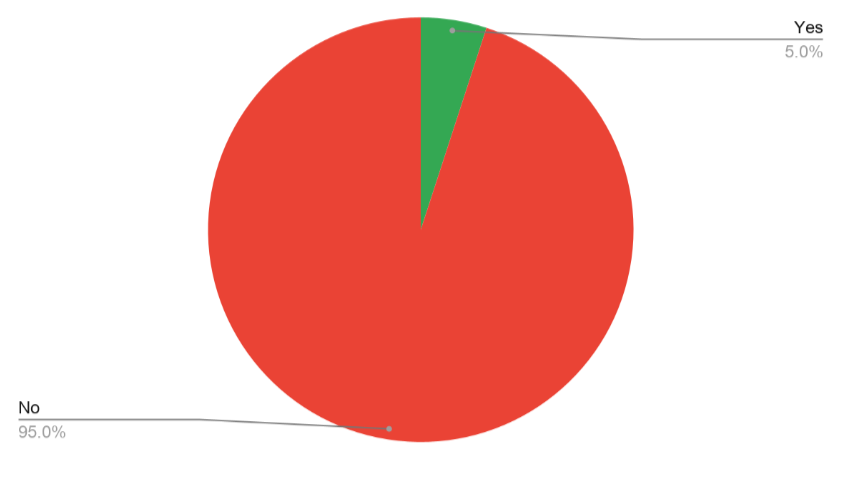
你家球队在2000-19年选中的前五顺位新秀,帮球队夺冠了吗?
随着NBA正考虑进行重大的乐透抽签改革——董事会计划于5月28日就一项旨在限制球队摆烂以确保获得高顺位签的提案进行投票——我们非常值得去探讨一下,这些选秀权到底有多大价值,以及它们究竟在多大程度上帮助了球队从联盟垫底一路攀升至巅峰。
让我们一探究竟,看看总冠军阵容到底是如何构建的。
跳转至相应板块:
总冠军轮换阵容是如何构建的
为什么马刺是一个巨大的特例
高顺位新秀的未来结局
在2000年至2019年间当选前五顺位的100名球员中,只有44人作为母队(选中他们的球队)的轮换球员赢得过至少一轮季后赛。这意味着,剩下的56名球员从未用哪怕一次季后赛晋级来回报球队对他们的重金选秀投资。
(我将“轮换球员”定义为场均出场时间至少20分钟的球员。如果不考虑这一标准,还会有四名球员被计入赢得过季后赛系列赛的行列:底特律的达科·米利西奇 (Darko Milicic)、犹他的丹特·艾克萨姆 (Dante Exum)、费城的马克尔·富尔茨 (Markelle Fultz) 以及芝加哥的泰鲁斯·托马斯 (Tyrus Thomas)。)
下表展示了这100名球员季后赛结局的完整分布。最常见的情况是季后赛系列赛“零胜绩”,其次是仅赢下一轮。
2000-19年选中的前五顺位新秀为母队赢下的季后赛系列赛次数
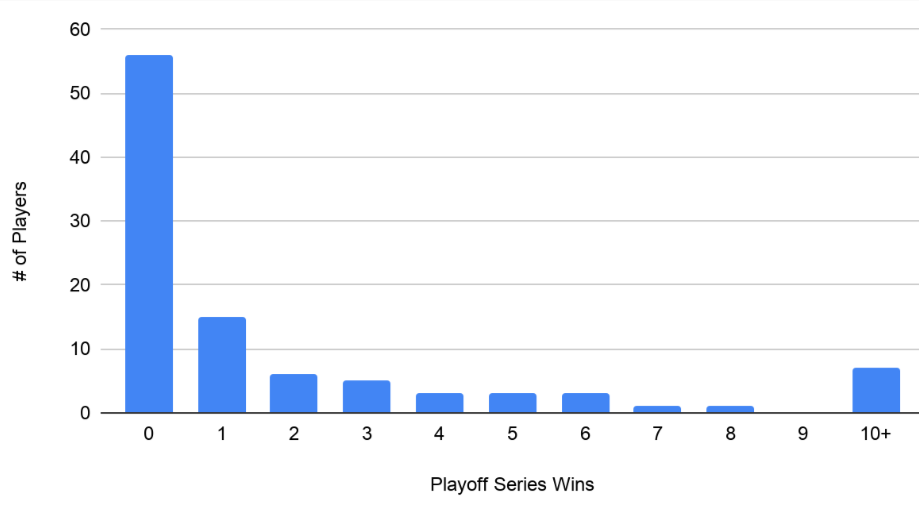
换句话说:平均而言,每届选秀的前五顺位中,会有三名球员从未为选中他们的球队赢过任何一轮季后赛,一名球员能赢下一到两轮,还有一名球员能赢下三轮或更多。
在这组球员中,为母队赢得季后赛系列赛次数最多的是5号秀德维恩·韦德 (Dwyane Wade),在通过自由市场离开迈阿密之前,他在热火效力的13个赛季里共赢得了22轮系列赛。(杰森·塔图姆 (Jayson Tatum) 和杰伦·布朗 (Jaylen Brown) 目前在波士顿各赢下了15轮,未来有望赶超他。)然而,相比于像韦德这样多次夺冠的球员,更多高顺位秀的职业轨迹更像尼科洛兹·茨基蒂什维利 (Nikoloz Tskitishvili)、雷蒙德·费尔顿 (Raymond Felton) 和谢尔顿·威廉姆斯 (Shelden Williams)——他们都在21世纪初的选秀中以第5顺位被选中,但从未为母队赢过哪怕一轮季后赛。
至于让建队基石为球队贡献十余载的梦想,也极少能成为现实。平均而言,2000年至2019年间的前五顺位新秀在母队仅效力了5.1个赛季,其中56%的球员能留到第五年(并签下第二份合同),而44%的球员在此之前便已离队。只有6%的球员在母队效力了至少10个赛季。(下个赛季,塔图姆将把这一比例提升至7%。)
目前,在那个时期的100名前五顺位新秀中,仅有5人仍留在选中他们的球队中:波士顿的塔图姆和布朗、费城的乔尔·恩比德 (Joel Embiid)、新奥尔良的锡安·威廉姆森 (Zion Williamson) 以及孟菲斯的贾·莫兰特 (Ja Morant)。
总冠军阵容的来源
如果高顺位新秀很少能随母队打进总决赛,那么夺冠球队的成员究竟是从哪里来的?答案不出所料,是自由市场、交易和选秀的结合——尽管在选秀中,很少是通过自家的高顺位签。
正如 The Athletic 的记者约翰·霍林格 (John Hollinger)在本月早些时候指出的那样,近年来打进总决赛的球队——即使是小市场球队——也很少“依靠摆烂”来抵达胜利的彼岸。
俄克拉荷马城阵容中,只有2号秀切特·霍姆格伦 (Chet Holmgren) 是直接通过获得高顺位签选中的球员,而去年总决赛中表现最好的两位球员——谢伊·吉尔杰斯-亚历山大 (Shai Gilgeous-Alexander) 和泰瑞斯·哈利伯顿 (Tyrese Haliburton)——都是通过交易换队的。2024年总冠军波士顿凯尔特人则是通过提前数年的选秀权交易,拿下了他们最核心的两名球员(布朗和塔图姆)。尼古拉·约基奇 (Nikola Jokic) 在2023年以第41顺位被选中后,为丹佛掘金赢得了总决赛MVP。诸如此类,不胜枚举。
放眼更长远的历史,本世纪产生的26个总决赛MVP奖杯中,只有3个颁发给了通过球队自家前五顺位签选中的球员。以下是完整的统计:
- 11次通过自由市场或先签后换:勒布朗·詹姆斯 (LeBron James)(代表三支不同球队共4次)、沙奎尔·奥尼尔 (Shaquille O’Neal)(3次)、凯文·杜兰特 (Kevin Durant)(2次)、安德烈·伊戈达拉 (Andre Iguodala)、昌西·比卢普斯 (Chauncey Billups)
- 4次通过选秀权交易:科比·布莱恩特 (Kobe Bryant)(2次)、布朗、科怀·伦纳德 (Kawhi Leonard)(效力马刺期间)
- 2次通过球员交易:吉尔杰斯-亚历山大、科怀·伦纳德(效力猛龙期间)
- 3次通过前五顺位选秀:蒂姆·邓肯 (Tim Duncan)(2次)、韦德
- 3次通过乐透区中后段选秀:斯蒂芬·库里 (Stephen Curry)、德克·诺维茨基 (Dirk Nowitzki)*、保罗·皮尔斯 (Paul Pierce)
- 2次通过乐透区外的首轮选秀:扬尼斯·阿德托昆博 (Giannis Antetokounmpo)、托尼·帕克 (Tony Parker)
- 1次通过次轮选秀:约基奇
(*诺维茨基在选秀夜被交易,但独行侠当时是用6号签向下交易得到第9顺位的他,因此在本次统计中仍将其计入。)
从更广泛的范围来看,本世纪只有5名通过球队自家前五顺位签选中的球员,最终成为了夺冠球队的轮换球员。他们分别是:马刺在1997年和1987年选中的状元秀邓肯(4次夺冠)和大卫·罗宾逊 (David Robinson);热火在2003年选中的5号秀韦德(3次夺冠);骑士在2011年选中的4号秀特里斯坦·汤普森 (Tristan Thompson);以及雷霆在2022年选中的2号秀霍姆格伦。
(詹姆斯没有被列入这一名单,因为他在骑士的第一阶段从未夺冠,而是在离开后又通过自由市场回归才夺冠。即使你把他在2016年的夺冠算进去——基于“如果他当初没有被骑士通过乐透签选中,他就不会重返克利夫兰”的逻辑——这也并不会改变整体的结论。)
再仔细看看这些选秀年份:在2003年的韦德和2022年的霍姆格伦之间,汤普森——一个在2016年夺冠的骑士队中场均仅得到6.7分的角色球员——是唯一一个由球队用自家前五顺位签选中,并最终帮助该球队夺冠的球员。这简直令人震惊。
以下是本世纪每一位总冠军轮换球员(定义为季后赛场均出场20分钟以上,或在至少一半的季后赛中担任首发)的获取方式完整分布。(我也调查了所有打进分区决赛球队的轮换球员,其比例也基本一致。)
21世纪总冠军轮换阵容是如何构建的
| 获取方式 | 球员比例 |
|---|---|
| 交易 | 29% |
| 自由市场* | 29% |
| 次轮及更低顺位** | 11% |
| 6-14号签 | 9% |
| 选秀权交易 | 8% |
| 15-30号签 | 8% |
| 1-5号签 | 6% |
| — | — |
| *也包括先签后换和买断合同 | |
| **也包括落选秀、双向合同或Exhibit 10合同新秀 |
前五顺位新秀是图表中占比最小的群体。
这并不是说乐透签在争冠道路上不重要。但是,许多能带来最大夺冠资产的乐透签,都是通过交易获得的,而不是通过球队自身摆烂输球得来的。这份名单包括凯尔特人的布朗和塔图姆、雷霆的杰伦·威廉姆斯 (Jalen Williams)、骑士的凯里·欧文 (Kyrie Irving) 以及掘金的贾马尔·穆雷 (Jamal Murray)。科比·布莱恩特和科怀·伦纳德在首轮中后段被选中后,便迅速被交易——分别送到了湖人和马刺,以换取即战力老将。
该图表还强调了,构建一套具备夺冠实力的阵容,需要做的工作远不止在选秀中淘金。一支典型的争冠球队中,超过一半的轮换球员来自交易和自由市场。
在NBA的“第二土豪线”(second apron)时代,随着堆积大合同变得更加困难,且进入自由市场的球星越来越少,这一比例可能会发生变化,但迄今为止尚未显现。例如,俄克拉荷马城夺冠所需的最后拼图是亚历克斯·卡鲁索 (Alex Caruso) 和以赛亚·哈尔滕施泰因 (Isaiah Hartenstein),他们分别通过交易和自由市场加盟。波士顿通过交易得到朱·霍勒迪 (Jrue Holiday) 和克里斯塔普斯·波尔津吉斯 (Kristaps Porzingis)(以及几年前得到的德里克·怀特 (Derrick White) 和艾尔·霍福德 (Al Horford)),迈出了夺冠的最后一步。丹佛则通过交易换来阿隆·戈登 (Aaron Gordon) 和肯塔维奥斯·考德威尔-波普 (Kentavious Caldwell-Pope),并在自由市场上签下了布鲁斯·布朗 (Bruce Brown)。
这一普遍规律在本赛季的分区决赛球队中同样适用。雷霆的构建方式与上赛季相同,霍姆格伦依然是他们唯一的高顺位新秀。
尼克斯的首发阵容完全是通过外部交易构建的:他们在自由市场上签下了杰伦·布伦森 (Jalen Brunson),并通过交易得到了卡尔-安东尼·唐斯 (Karl-Anthony Towns)、OG·阿奴诺比 (OG Anunoby)、米卡尔·布里奇斯 (Mikal Bridges) 和乔什·哈特 (Josh Hart)。
骑士虽然在第3顺位选中了埃文·莫布里 (Evan Mobley),但他们通过交易得到了多诺万·米切尔 (Donovan Mitchell)、詹姆斯·哈登 (James Harden) 和贾莱特·阿伦 (Jarrett Allen)。
至于马刺——好吧,马刺通过交易得到了达龙·福克斯 (De’Aaron Fox),但他们是一个例外,值得用一个专门的章节来讨论。
来自德州的巨大特例
这支NBA最新的争冠劲旅与迄今为止讨论的大多数趋势背道而驰。马刺在西部决赛中正与雷霆并肩厮杀,随着系列赛回到圣安东尼奥,他们目前大比分3比2落后。
他们的核心阵容构建融合了精明的管理和极佳的乐透签运气——圣安东尼奥在2023年至2025年的连续三届选秀中,分别拿下了维克托·文班亚马 (Victor Wembanyama)(状元)、斯蒂芬·卡斯尔 (Stephon Castle)(4号秀)和迪兰·哈珀 (Dylan Harper)(榜眼)。在分区决赛的第一场比赛中,这三位新星成为了NBA季后赛历史上在同场比赛中均拿到两双的最年轻三人组。
记住,本世纪只有5名前五顺位秀在球队通过摆烂选中他们后,作为轮换球员帮助球队夺冠(其中两人还是马刺用状元签选中的中锋)。但如果这支圣安东尼奥球队能够夺冠,仅凭这一组合就能让这个名单再增加3人。
从这个角度来看,马刺提供了一个选秀能够为重建球队带来什么的完美范例。虽然可能性微乎其微,但并非绝无可能,这就是为什么球队管理层和球迷都对乐透签赔率寄予如此厚望的原因——这与普通人寄希望于通过买彩票一夜暴富成为亿万富翁的虚无幻想如出一辙。你需要的只是一张彩票和一个梦想。
然而,马刺这条特定的崛起之路在未来可能无法复制,因为NBA新的乐透规则将禁止球队连续三年在选秀中获得前五顺位。而且至关重要的一点是,对于连续三年获得前五顺位签的球队来说,马刺这样的结果也绝非普遍现象。
插图由 ESPN 提供
根据 ESPN 数据研究部门的统计,在乐透抽签时代,共有23次出现球队在连续三届选秀中都获得前五顺位的情况。然而,这些核心阵容中有一半以上从未一起赢过哪怕一轮季后赛,近期的例子包括2016至2018年的太阳(拥有德拉甘·本德尔 (Dragan Bender)、乔什·杰克逊 (Josh Jackson) 和德安德烈·艾顿 (Deandre Ayton)),以及2013至2015年的魔术(拥有维克托·奥拉迪波 (Victor Oladipo)、阿隆·戈登和马里奥·海佐尼亚 (Mario Hezonja))。有些球队甚至连续拿到了四个甚至五个前五顺位签,但依然没能将这种运气转化为季后赛的成功。
截至目前,在这些核心阵容中,只有两支队伍曾打进过总决赛。一支是雷霆,他们在2007至2009年间名噪一时地选中了杜兰特、拉塞尔·威斯布鲁克 (Russell Westbrook) 和哈登。另一支是骑士,他们在2011至2014年间选中了欧文、汤普森、迪昂·维特斯 (Dion Waiters)、安东尼·本内特 (Anthony Bennett) 和安德鲁·威金斯 (Andrew Wiggins)(随后他们立即用其交易换来了凯文·乐福 (Kevin Love))——即便如此,他们依然需要詹姆斯在自由市场上回归才取得了胜多负少的战绩,更不用说打进总决赛了。
因此,马刺再次成为了一个特例;即使他们本赛季未能打进总决赛,在未来的几年里,他们也极有希望至少打进一次。
但从更广泛的角度来看,过去四分之一个世纪里NBA阵容构建的实际结果表明,摆烂很少能直接转化为总冠军。
随着新的乐透规则付诸实施,球队将无法再通过“摆烂输球”来通往争冠之路——但事实证明,他们以前其实也从未真正做到过这一点。这种通往NBA繁荣的“简单捷径”,就像任何其他“一夜暴富”的骗局一样漏洞百出,而堵死这条道路,并不会阻碍那些真正致力于走向成功的球队。
由生成式 AI 翻译,译文内容可能不准确或不完整,以原文为准。
点击查看原文:How NBA championship rosters are built: Spurs are an outlier
How NBA championship rosters are built: Spurs are an outlier
What is the value of a top NBA draft pick?
Very high, in one sense. Top picks are the most likely young players to develop into stars. Teams throw away entire seasons for the mere chance of landing one. And fanbases dream about high draft picks turning into cornerstones who can lead their teams to championships and one day see their jerseys raised to the rafters.
But that potential doesn’t often turn into reality. In the 21st century, a majority of top-five picks haven’t even won a single playoff series for the team that drafted them (or traded for them on draft night), and a vanishingly small percentage have won a championship.
Did your top-five pick (from 2000-19) help your team win a title?
As the NBA considers dramatic lottery reform, with a board of governors vote scheduled for May 28 on a proposal that would curb the ability for teams to tank for guaranteed top draft picks, it’s worth exploring just how valuable those selections actually are – and just how much they’ve helped teams climb from the bottom of the standings to the top.
Let’s find out how championship rosters are built.
Jump to a section:
How championship rotations have been built
Why the Spurs are a massive outlier
Future outcomes for top picks
Out of the 100 players who were top-five picks from 2000 to 2019, 44 won a playoff series as a rotation player for their original team. That leaves 56 who never fulfilled their team’s heavy draft investment with even a single playoff advancement.
(I’m defining rotation players as those who averaged at least 20 minutes per game. Without this criterion, four more players would count as winning playoff series: Darko Milicic for Detroit, Dante Exum for Utah, Markelle Fultz for Philadelphia and Tyrus Thomas for Chicago.)
This chart shows the full breakdown of the 100 players’ postseason outcomes. The most frequent was zero series wins, followed by just one.
Playoff series wins with original team for top-five picks (2000-19)
Put another way: On average, the draft’s top five will have three players who never win a playoff series for the team that drafted them, one player who wins one or two series and one player who wins three or more.
The player in this group with the most playoff series victories with his original team is No. 5 pick Dwyane Wade, with 22 over 13 seasons in Miami before he left in free agency. (Jayson Tatum and Jaylen Brown have 15 in Boston and could eventually catch him.) But there are far more top picks with trajectories like Nikoloz Tskitishvili, Raymond Felton and Shelden Williams, who were all picked No. 5 in the 2000s but never won a playoff series with their original team, than multitime champions such as Wade.
The dream of a decade-plus of production for a franchise cornerstone also doesn’t materialize very often. On average, top-five picks from 2000 through 2019 lasted 5.1 seasons with their original team, with 56% lasting until their fifth year (and their second contract) and 44% leaving before then. Only 6% played at least 10 seasons with their initial team. (Tatum will bump that figure to 7% next season.)
And for now, only five of the 100 top-five picks in that period are still with the team that drafted them: Tatum and Brown in Boston, Joel Embiid in Philadelphia, Zion Williamson in New Orleans and Ja Morant in Memphis.
Championship roster origins
If top picks rarely reach the NBA Finals with their original team, then where do championship players come from? The answer, unsurprisingly, is a mix of free agency, trades and the draft – though not often top picks within the draft.
As The Athletic’s John Hollinger noted earlier this month, recent Finals teams – even the small-market ones – have “relied very little on tanking” to reach the promised land.
No. 2 pick Chet Holmgren is the only player on Oklahoma City’s roster who was acquired directly by landing a top pick, while the best two players in last year’s Finals – Shai Gilgeous-Alexander and Tyrese Haliburton – changed teams via trade. Boston, the 2024 champion, nabbed its top two players (Brown and Tatum) with a trade for picks years in advance. Nikola Jokic won Finals MVP for Denver in 2023 after being selected 41st. And so on.
Looking back with a wider lens, only three out of 26 Finals MVP trophies this century have gone to players who landed on a team via its own top-five pick. Here’s the full accounting:
- 11 via free agency or sign-and-trade: LeBron James (4x for three teams), Shaquille O’Neal (3x), Kevin Durant (2x), Andre Iguodala, Chauncey Billups
- Four via draft pick trade: Kobe Bryant (2x), Jaylen Brown, Kawhi Leonard (for Spurs)
- Two via trade: Shai Gilgeous-Alexander, Kawhi Leonard (for Raptors)
- Three via top-five pick: Tim Duncan (2x), Dwyane Wade
- Three via later lottery pick: Stephen Curry, Dirk Nowitzki*, Paul Pierce
- Two via post-lottery first-round pick: Giannis Antetokounmpo, Tony Parker
- One via second-round pick: Nikola Jokic
(*Nowitzki was traded on draft night, but the Mavericks used the No. 6 pick to acquire him at No. 9, so he counts for the purposes of this exercise.)
More broadly, only five players who landed on a team with its own top-five pick have even been rotation players for championship teams this century. Duncan (four times) and David Robinson were No. 1 picks for the Spurs in 1997 and 1987, respectively; Wade (three times) was a No. 5 pick for the Heat in 2003; Tristan Thompson was a No. 4 pick for the Cavaliers in 2011; and Holmgren was a No. 2 pick for the Thunder in 2022.
(James doesn’t count on that list because he never won a title in his first stint in Cleveland, only doing so after he left and returned in free agency. Even if you include his 2016 triumph, under the logic that he wouldn’t have returned to Cleveland if he hadn’t first landed there in the lottery, it wouldn’t change the overall takeaways here.)
Look at those draft years again: Between Wade in 2003 and Holmgren in 2022, Thompson – a role player who averaged 6.7 playoff points for the 2016 Cavaliers – was the only player drafted in the top five with a team’s own pick who helped that franchise win a title. That’s astounding.
Here’s the full breakdown of how every championship rotation player this century – defined as playing 20 minutes per game or starting at least half of a team’s games in the playoffs – was acquired. (I also examined all rotation players on teams that reached the conference finals, and the percentages were very similar across the board.)
How championship rotations in 21st century were built
| Acquisition Method | Proportion of Players |
|---|---|
| Trade | 29% |
| Free agency* | 29% |
| 2nd round and beyond** | 11% |
| Pick 6-14 | 9% |
| Pick trade | 8% |
| Pick 15-30 | 8% |
| Pick 1-5 | 6% |
| — | — |
| *Also includes sign-and-trades and buyouts | |
| **Also includes rookies who were undrafted or signed two-way or Exhibit 10 contracts |
Top-five picks are the smallest group on the chart.
That’s not to say lottery picks don’t matter in the title race. But plenty of the lottery picks that have yielded the most championship equity arrived via trade rather than a team’s own losing effort. That list includes Brown and Tatum for the Celtics, Jalen Williams for the Thunder, Kyrie Irving for the Cavaliers and Jamal Murray for the Nuggets. Kobe Bryant and Kawhi Leonard were picked in the teens and quickly dealt – to the Lakers and Spurs, respectively – for veterans.
That chart also underscores that building a roster capable of capturing a title requires hitting on a lot more than just the draft. More than half of the typical championship rotation comes from trades and free agency
It’s possible that proportion changes in the NBA’s second apron era, as stacking big contracts becomes more difficult and fewer stars reach free agency, but it hasn’t so far. The final pieces Oklahoma City needed to win a championship were Alex Caruso and Isaiah Hartenstein, who arrived via trade and free agency, respectively. Boston traded for Jrue Holiday and Kristaps Porzingis (and Derrick White and Al Horford, a couple of years earlier) to take its final steps to a title. Denver traded for Aaron Gordon and Kentavious Caldwell-Pope, and signed Bruce Brown in free agency.
This general finding continues when looking at this season’s conference finalists. The Thunder are built the same way they were last season, with Holmgren as the only high draft pick.
The Knicks’ starting lineup was constructed entirely with external transactions: They signed Jalen Brunson in free agency and traded for Karl-Anthony Towns, OG Anunoby, Mikal Bridges and Josh Hart.
The Cavaliers drafted Evan Mobley at No. 3 but traded for Donovan Mitchell, James Harden and Jarrett Allen.
And the Spurs – well, the Spurs traded for De’Aaron Fox, but they’re an exception who deserve a section unto themselves.
A Texas-sized caveat
The NBA’s newest contender stands as a counter to most of the trends discussed thus far. The Spurs are going toe-to-toe with the Thunder in the Western Conference finals, down 3-2 as the series shifts back to San Antonio.
And their core was built with a dose of smart management and a heavy helping of lottery luck, as San Antonio landed Victor Wembanyama (at No. 1), Stephon Castle (at No. 4) and Dylan Harper (at No. 2) in consecutive drafts from 2023 to 2025. In Game 1 of the conference finals, that trio became the youngest in NBA playoff history with double-doubles in the same game.
Remember that only five top-five picks playing this century have been rotation players for a championship team after they landed on that team following a tank (and two were also Spurs centers drafted at No. 1). But this San Antonio group could add three more by itself if it wins a title.
In that way, the Spurs offer an example of what the draft can accomplish for a rebuilding team. It’s not remotely likely, but it’s possible, and that’s why team executives and fans alike carry such hope for their lottery odds – in much the same way average people hope for the implausibly remote possibility that they could become centimillionaires through a real-world lottery. All you need is a ticket and a dream.
Yet this specific Spurs path might be impossible to replicate in the future, as the NBA’s new lottery rules would forbid a team from picking in the top five in three consecutive drafts. And crucially, it’s not as if this Spurs outcome is the norm for teams with three top-five picks in a row, either.
Illustration by ESPN
There have been 23 occasions in the lottery era in which a team picked in the top five in three consecutive drafts, per ESPN Research. More than half of those cores never won a single playoff series together, including recent examples of the Suns with Dragan Bender, Josh Jackson and Deandre Ayton from 2016 to '18, and the Magic with Victor Oladipo, Aaron Gordon and Mario Hezonja from 2013 to '15. Some teams have landed four or even five top-five picks in a row and still not parlayed that luck into playoff success.
To this point, only two of those cores ever made a Finals trip. One was the Thunder, who famously drafted Kevin Durant, Russell Westbrook and James Harden from 2007 through 2009. And the other was the Cavaliers, who drafted Irving, Thompson, Dion Waiters, Anthony Bennett and Andrew Wiggins (whom they immediately traded for Kevin Love) from 2011 through 2014 – and still needed LeBron James to return in free agency to attain a winning record, let alone reach the Finals.
So the Spurs, once again, stand as an outlier; even if they don’t reach the Finals this season, they’re a strong bet to do so at least once in the years to come.
But more broadly, the observed outcomes from the past quarter-century of NBA roster-building show that tanking rarely translates into titles.
With new lottery rules in place, teams wouldn’t be able to lose their way to contention anymore – but it turns out they never really could do that, anyway. This “one simple trick” to NBA prosperity is just as flawed as any other get-rich-quick scheme, and removing that path shouldn’t stop the franchises that are actually built to succeed.
By Zach Kram, via ESPN