By Marcus Thompson II | The Athletic, 2026-05-21 13:10:36
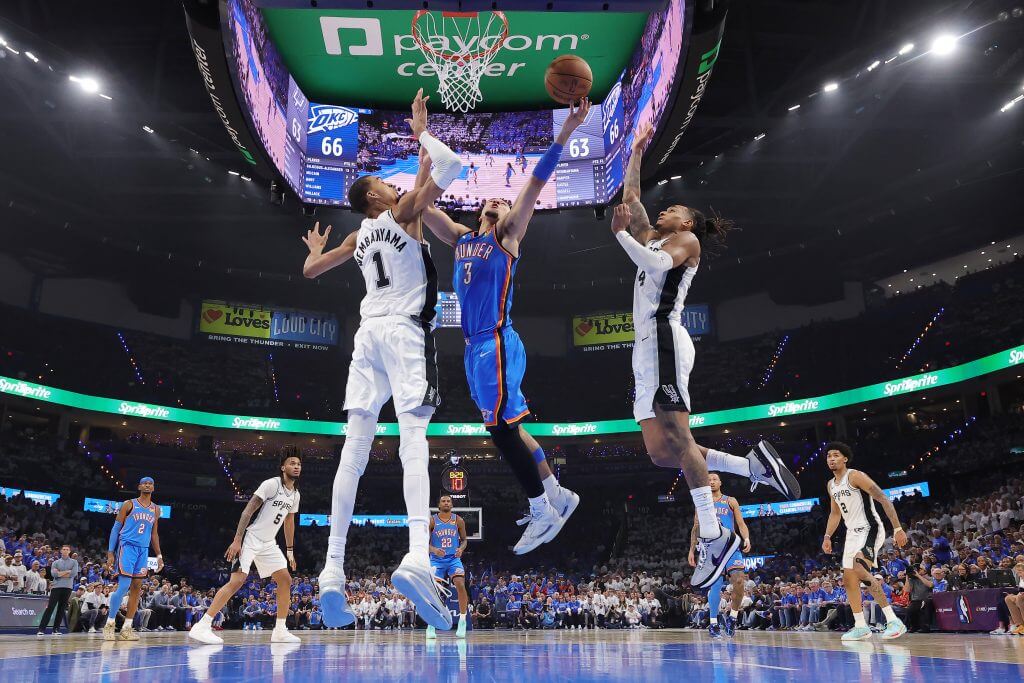
俄克拉荷马城——这轮系列赛没有任何“小”的格局。
亲密无间,那是自然,俄克拉荷马城球迷的怒吼震动着佩科姆中心球馆。确实迷人,周三西部决赛第二场胜利已成囊中之物时,雷霆球迷伴着大卫·库塔 (David Guetta) 的《Titanium》与希雅 (Sia) 一同引吭高歌。
但“小”绝对不适合作为这轮系列赛的形容词,即便这里只是全美第47大市场。这轮系列赛,这些超级巨星,曾被寄予厚望,而他们也正在呈现NBA历史上最高水平的篮球对决。
维克托·文班亚马 (Victor Wembanyama) 的存在本身就自带巨大气场。正是他让这个舞台变得具有里程碑意义。他极其热衷于奉献那些如同定格动画般不可思议的精彩瞬间——比如将一次抛投直接化为补扣——这既让人联想到过去的传奇,又揭示了篮球运动未来的维度。
施加在谢伊·吉尔杰斯-亚历山大 (Shai Gilgeous-Alexander) 身上的压力,为这段初露端倪的宿敌之怨注入了良性的紧张感。与在季后赛首秀中就令人惊艳的文班亚马不同,这位两届MVP得主在追逐个人第二冠的道路上,背负着沉重的期望。任何不够统治级的表现都会招致失望。
周三,他的高效表现宣告回归。在俄克拉荷马城以122-113取得胜利的比赛中,吉尔杰斯-亚历山大砍下30分和9次助攻,挺身而出回应了质疑,并让这轮系列赛步入扣人心弦的轨道。
两场比赛过后,这轮系列赛所展现出的戏剧张力和宏大格局,已完全配得上总决赛的舞台。作为美国体育界的明珠之一,雷霆队的主场继承了波士顿花园球馆、英格尔伍德大论坛球馆、联合中心和甲骨文球馆的传统——这些主场都拥有鲜明的个性,足以在历史上留下深刻的烙印。
在第一场比赛中,文班亚马打出了外星人般的表现。而在第二场比赛中,斯蒂芬·卡斯尔 (Stephon Castle) 用一记季后赛历史上最震撼的隔人暴扣之一,直接击碎了以赛亚·哈尔滕施泰因 (Isaiah Hartenstein) 的防守灵魂;亚历克斯·卡鲁索 (Alex Caruso) 再次奉献了大师级的表现,而双方的伤病情况也让战术博弈变得更加复杂。
NBA篮球的未来在美国腹地闪耀。这两支联盟中最缺乏“豪门光环”的球队,正在上演一场注定载入史册的视觉盛宴,激发出足以媲美历史级巅峰对决的狂热激情。
这轮系列赛打破了传统的小市场天花板。它正在重新定义一种观念:娱乐价值不一定非要与人口规模深度绑定。
长期以来,我们习惯于认为这样的对决并非最优解。两支小市场球队登上最高舞台,往往会让观众本能地想去拿遥控器换台——这是长期接受“王朝球队”熏陶的结果。吸引大都市的关注能让曝光度呈指数级增长,并不可避免地扩大影响力。长期以来,小市场仅仅被视作垫脚石、未来超级巨星的试炼场,以及大市场球队的人才加工厂。
然而,在NBA“机会均等”理念的推动下,一场变革似乎正在悄然发生。这轮系列赛没有街头人头攒动、拥挤不堪的庆祝画面。这两支球队也没有遍布全国、能把各地酒吧塞满的庞大球迷群体。但是,它们在声势规模上的不足,完全由其比赛的活力与激情弥补了。
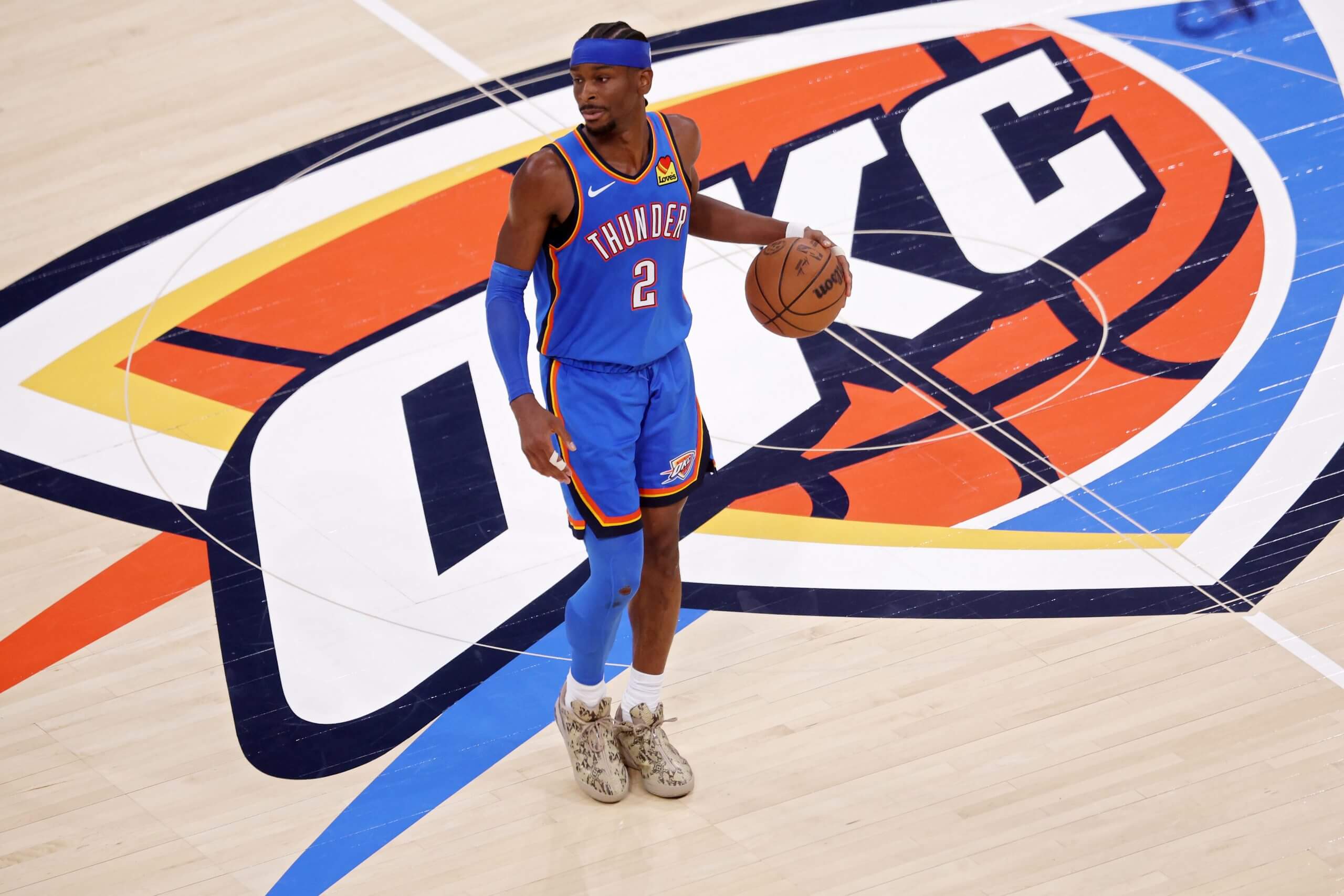
雷霆球星吉尔杰斯-亚历山大砍下30分,带领俄克拉荷马城在第二场比赛中取得胜利。在输掉第一场比赛后,这是一次急需的回应,也为这轮可能成为史诗级的系列赛奠定了基调。(威廉·普内尔 (William Purnell) / 盖蒂图片社)
如今,西部决赛移师全美第31大市场。然而,这轮系列赛彻底打破了人们的刻板印象——即认为资源匮乏的弱旅只能依靠智慧和团结来弥补实力差距。
小市场对决中所缺少的,是人口稠密的大都市之间所裹挟的潜在文化冲突。那些社会和政治的分界线,往往用隐形墨水写在故事线中:好莱坞巨头对决蓝领阶层、硅谷对抗铁锈地带、都市碰撞乡村。
尽管如此,这里的氛围依然极具磁性、引人入胜。球馆内洋溢着当地集会般的狂热氛围,那种“证明自己”的能量调门更高,因为它们来自更深的情感源泉。他们带着主角般的义愤填膺对裁判和对手报以嘘声,并在自家球队打出进攻高潮时送上震耳欲聋的欢呼。
这是小城镇背景下的顶级对决。草根的狂热,为精英级别的篮球赛事镀上了一层耀眼的光泽。
去年夏天,观众们逐渐爱上了俄克拉荷马城和印第安纳在NBA总决赛中展现的球风与氛围。到系列赛结束时,收视人数飙升至近2000万的峰值——创下了金州勇士队王朝结束以来的最高纪录。
而今年的西部决赛甚至不需要时间来慢热。它创造了NBA历史上该阶段系列赛收视率最高的第一场比赛,平均观众人数达到920万。
如果文班亚马效力于芝加哥,而吉尔杰斯-亚历山大带领卫冕冠军费城队,这轮系列赛会受到更多关注吗?那是当然。但NBA球迷不妨开始习惯这种每年一度向更温馨、更紧密社区的迁徙。
自从金州勇士用其王朝统治冲击了人们的认知以来,NBA就重写了规则。联盟老板们认定,斯蒂芬·库里 (Stephen Curry) 和勒布朗·詹姆斯 (LeBron James) 垄断最大舞台的局面并不理想。工资帽机制和惩罚性的奢侈税“围裙线”(aprons)不仅旨在惩罚,更是为了阻止那些不计成本的大市场球队老板用钱包来掌控联盟的命运。
他们用“机会均等”取代了超级球队,放宽了大都市市场对NBA至高荣誉的垄断。联盟更倾向于NFL(职业橄榄球大联盟)的竞争平衡模式,即每支球队都可以切合实际地构想夺冠蓝图,而无需寄托于不切实际的幻想。
这一计划的成果便是:俄克拉荷马城对阵圣安东尼奥。两支都在蓬勃发展的未来王朝球队。两家都处于全美前30名开外的市场,深嵌在国家的腹地——在这里,自豪感在悄然发酵,质朴被视为美德。这里远离海岸线的繁华与吸引力,也没有NBA老牌豪门那种根深蒂固的魅惑。
雷霆队曾是讨人喜欢的后起之秀,如今却戴上了“反派”的黑帽子。由于他们席卷而来的成功以及在裁判判罚中被外界认为占尽便宜,他们在我们眼前蜕变成了反派角色。
但俄克拉荷马城是通过自己的“青训系统”打造出了一支冠军之师。在2016年凯文·杜兰特 (Kevin Durant) 离队让球队痛失核心之后,总经理萨姆·普雷斯蒂 (Sam Presti) 最终避开了盲目追逐巨星的道路,转而通过选秀亲手构建自己的球队。他囤积资源,通过精准的选秀眼光将摆烂赛季转化为丰厚回报,慢工出细活地打造出了一支常胜之师——一个能让球迷看着长大的队伍。观众与球队之间那种近乎大学联赛般的亲密关系,为每一场胜负注入了更多的情感调味剂。
当薪资水平逼近他们的承受极限时,得益于普雷斯蒂收集的人才和选秀权,雷霆队无需推倒重来即可进行灵活调整。这一方程式不仅让俄克拉荷马城能够与那些通过自由市场和吞下巨额合同来打造争冠阵容的NBA“大财阀”们分庭抗礼。雷霆队的发展模式更是成为了全联盟艳羡的对象。
并非巧合的是,普雷斯蒂正是出自圣安东尼奥的管理层体系。马刺队的模式或许是NBA中被复制次数最多的。但他们能走到今天这一步,还要归功于其非凡的选秀运气。
在40年的时间里,马刺队第三次迎来了现象级天才的降临。从大卫·罗宾逊 (David Robinson) 到蒂姆·邓肯 (Tim Duncan),再到文班亚马——这些建队基石都是通过选秀抽签的绝佳运气获得的。
文班亚马就是那种甚至能吸引非核心球迷的非凡球员。铺天盖地的关注度也随着他一同来到了德克萨斯州南部。
在文班亚马魔力的加持下,第一场比赛感觉就像是某个伟大时代的黎明。它具备了巨头对决的所有元素。
第二场比赛延续了这种能量。
在NBA通过立法削弱了大市场和雄厚财力的优势之后,人们面临的疑问是:这样的一轮系列赛能否凭借其实力本身,而非其所处的市场来吸引观众?但这些球队正在证明,他们拥有能够产生足够吸引力的特质,而这正是他们所处的地理位置所无法赋予的。
毕竟,NBA并没有消灭超级强权,而是改变了谁能组建它们的游戏规则。我们现在正见证着其中两支强权的正面交锋。而从目前这轮系列赛的呈现来看,这段宿敌之争很可能会定义一个时代。关于它的一切,都显得格局宏大。
由生成式 AI 翻译,译文内容可能不准确或不完整,以原文为准。
点击查看原文:In this titanic Thunder-Spurs showdown, merit matters more than market
In this titanic Thunder-Spurs showdown, merit matters more than market
OKLAHOMA CITY — Nothing about this series feels small.
Intimate, sure, as the roar of Oklahoma City fans rattles the Paycom Center. Charming, indeed, as Thunder fans belted along with Sia on David Guetta’s “Titanium” with Wednesday’s Game 2 victory in these Western Conference finals all but secured.
But small doesn’t fit as a descriptor, even in the 47th-largest market in America. This series, these figures, promised and are producing some of the highest levels of basketball the NBA has ever seen.
The presence of Victor Wembanyama carries its own magnitude. He’s the man who makes this occasion monumental. His penchant for highlights as unreal as stop-motion graphics, like when he turned a floater into a tip-dunk, recalls past legends while revealing future dimensions.
The pressure on Shai Gilgeous-Alexander sprinkles healthy tension into this budding rivalry. Unlike Wembanyama, who’s already impressed in his postseason debut, the two-time MVP lugs the burden of expectation in pursuit of a second title. Anything shy of dominance generates disappointment.
His efficacy revived Wednesday. Gilgeous-Alexander’s 30 points and 9 assists in Oklahoma City’s 122-113 victory answered the bell and set this series down a path of riveting.
Through two games, this series packs drama and magnitude worthy of the NBA Finals. The home of the Thunder, one of the gems of American sports, honored the tradition of the Boston Garden, the Forum in Inglewood, the United Center and Oracle Arena — home courts with enough personality to leave an imprint.
In Game 1, Wembanyama went extraterrestrial. In Game 2, Stephon Castle punctured Isaiah Hartenstein’s soul with one of the best postseason facials ever seen, Alex Caruso concocted another gem and injuries on both sides added complexity to the strategy.
The future of NBA basketball sparkled in America’s heartland. Two of the league’s unsexiest franchises are putting on a spectacle that’s shaping up to be one for the ages, arousing a fervor worthy of all-time great clashes.
This series defies the traditional small-market ceiling. It’s redefining the ethos of entertainment value being married to the population.
We’ve been conditioned to view this outcome as suboptimal. Two small-market teams on the game’s biggest stages tend to prompt an involuntary reach for the remote — a product of being indoctrinated by dynasties. Captivating a metropolis exponentiates visibility and, inevitably, expands appeal. Small markets long served as mere stepping stones, proving grounds for superstar hopefuls and talent factories for big-market franchises.
Revolution, however, seems to be in progress, driven by the NBA’s parity of opportunity philosophy. This series doesn’t come with videos of cheering throngs packed like sardines in the streets. These teams don’t boast fan bases that fill bars across the nation. But what it lacks in volume it makes up for in vivacity.
Thunder star Shai Gilgeous-Alexander scored 30 points to lead Oklahoma City to a win in Game 2, a needed response after losing Game 1, which sets up a potentially epic series. (William Purnell / Getty Images)
These West finals now shift to the 31st-largest market in the U.S. Yet, this series summarily rejects the stereotype of inferior, under-resourced teams leaning on smarts and unity to overcome disparity.
What’s missing from the ball of small markets is the underlying cultural wars that come with populous cities. The social and political lines are written in the storylines with invisible ink. Big Hollywood versus Blue-collar. Silicon Valley versus the Rust Belt. Urban versus rural.
Still, the atmosphere rises to a magnetic level. The arenas swell with a passionate local rally vibe, a point-to-prove energy that pitches a bit higher because it comes from a bit deeper. They jeer the refs and the opponent with a protagonist’s indignation and punctuate their team’s runs with blaring approval.
This is big-time hoops in a small-town setting. Elite basketball lacquered in grassroots zeal.
Last summer, the audience warmed to the playing styles and the atmospheres of Oklahoma City and Indiana in the NBA Finals. By the end of the series, the ratings peaked at nearly 20 million — the highest since the Golden State Warriors dynasty.
These West finals didn’t need to build momentum. It produced the most-watched Game 1 of that series in NBA history, with an average of 9.2 million viewers.
Would this series be even more magnified if Wembanyama played for Chicago and SGA led the defending champions in Philadelphia? Of course. But NBA fans may as well get used to these annual forays into cozier communities.
The NBA rewrote its code since Golden State assaulted sensibilities with its dynasty. Stephen Curry and LeBron James monopolizing the grandest stage, the league owners determined, wasn’t ideal. Salary cap mechanisms and punitive tax aprons didn’t aim to merely punish but prevent big-market owners with no regard for expenses from controlling fates with wallets.
They replaced the superteams with parity of opportunity, loosening the glamour markets’ grip on NBA glory. The league preferred the NFL model of competitive balance, where every team can conceive a championship without the aid of delusion.
The plan produced this: Oklahoma City versus San Antonio. Both burgeoning dynasties. Both outside the top-30 markets in America, tucked in the gut of the nation, where pride ferments and simplicity is a virtue. Far from the grandeur and gravity of the coasts. Absent the ingrained allure of the NBA’s marquee franchises.
The Thunder, once lovable risers, now wear the black hat, having morphed into the villain before our eyes because of their rampant success and perceived advantages with the refs.
But Oklahoma City built a champion through its farm system. After getting its heart ripped out by the 2016 departure of Kevin Durant, general manager Sam Presti eventually shunned the star-chasing route and built his own through the draft. He stockpiled resources, cashing in on futile seasons by nailing his draft picks and slow-cooking a winner — one the fan base could watch grow up. The intimacy between the audience and its team, almost collegiate in essence, adds some juice to the wins and losses.
And when the salaries approach levels beyond their spending appetite, the Thunder can maneuver without starting over thanks to Presti’s collection of talent and draft picks. It’s a formula that did more than allow Oklahoma City to compete with the NBA’s big pockets, which build contenders through free agency and acquire massive contracts. The Thunder’s approach is the envy of the league.
Not coincidentally, Presti is from the San Antonio executive tree. The Spurs’ model is perhaps the most replicated in the NBA. But they find themselves here because of their remarkable draft luck.
For the third time in 40 years, the Spurs had a generational talent fall into their laps. From David Robinson to Tim Duncan to Wembanyama — franchise pillars earned by draft lottery luck.
Wembanyama is the kind of exceptional player that lures even casual fans. The hype follows him to South Texas.
Game 1 felt like the dawn of something special, coated by Wembanyama’s magic. It had all the elements of jousting juggernauts.
Game 2 matched the energy.
The question — after the NBA legislated away the advantages of big markets and their vast pockets — was whether a series like this could draw on its merits and not on its markets. But these teams are proving to have the ingredients to generate the appeal that their locations may not.
Because the NBA didn’t eliminate superpowers as much as it changed who gets to build them, we’re watching two of them clash now. And what we’ve seen so far in this series suggests this rivalry could define a generation. Everything about that feels big.
By Marcus Thompson II, via The Athletic