By Mike Finger | San Antonio Express-News (SAEN), 2026-07-16 16:44:05
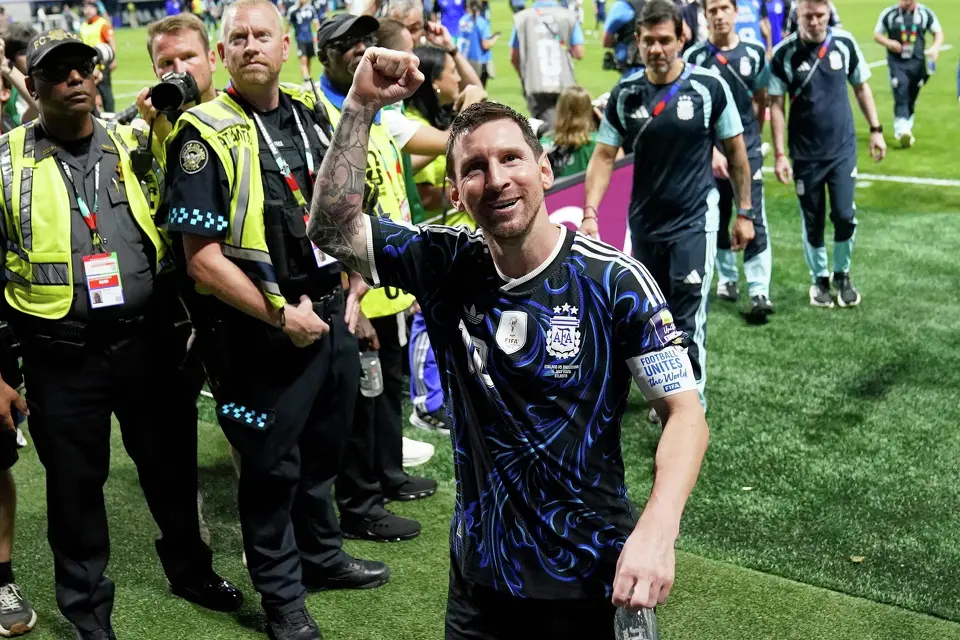
2026年7月15日,星期三,在亚特兰大举行的英格兰与阿根廷的世界杯半决赛中,阿根廷队的里奥·梅西 (Lionel Messi)(10号)在球队获胜后离场时做出反应。(美联社图片/雅各布·库普弗曼)
面对举国数百万愤怒的民众,这位掌舵人很清楚接下来会发生什么。
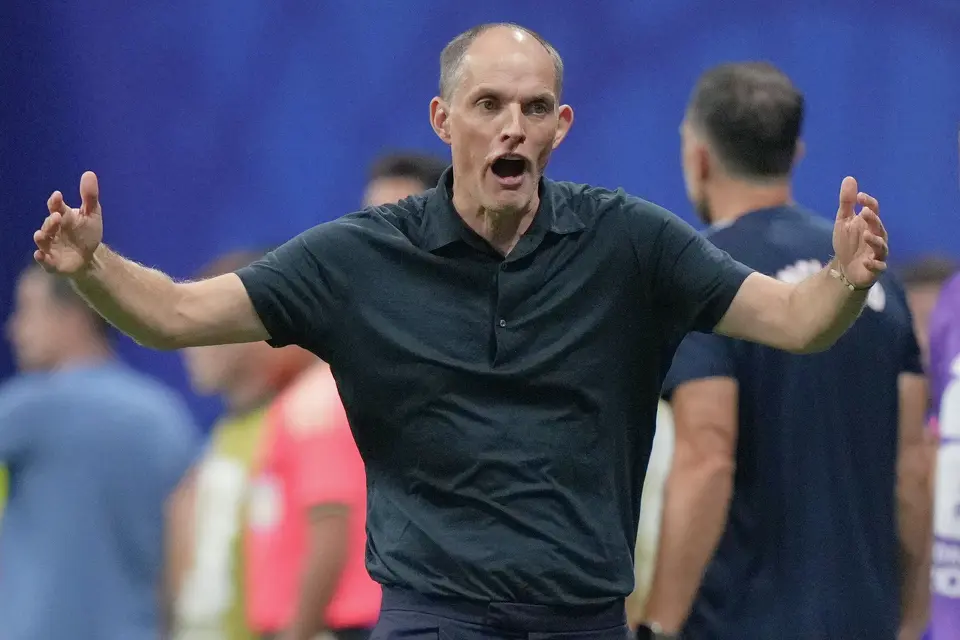
人们心碎、愤怒,且百思不得其解:局势怎么会在如此短的时间内急转直下?他们绝不会轻易放过英格兰男足主教练托马斯·图赫尔 (Thomas Tuchel),必须要让他为自己刚刚犯下的每一个错误承担责任。
因此,在周三世界杯半决赛1-2不敌阿根廷后的最初几分钟里,图赫尔先是回答了BBC的提问,接着又接受了福克斯体育(FOX)的采访。随后,他出席了国际足联(FIFA)规定的赛后新闻发布会。在会上,他被要求解释为何战术会适得其反,并为那些未能奏效的换人调整做出交代。
“我对此负有责任,”图赫尔说,“决定是我做出的,所以我会接受批评。事情就是这样。”
他说得没错,他的教练同行们——从法国队的迪迪埃·德尚 (Didier Deschamps) 到马刺队的米奇·约翰逊 (Mitch Johnson)——都深谙此道。仅仅因为球迷们在某个下午对你歌功颂德,并不意味着他们到了第二天早上不会对你口诛笔伐。
公众期待的是结果。当事与愿违时,他们会立刻要求得到解释。尽管像图赫尔这样的人可能会对承担后果所带来的一些连锁反应感到愤怒?
这种现象依然存在,其实是一件挺酷的事情。
至少在体育界是这样。
想想那些真正至关重要的职业和岗位,再琢磨一下,如果那些身处要职的人也必须像图赫尔那样——因为在面对梅西时手握一球领先却采取了过于保守的战术而面临同等程度的严苛审视——他们的行事方式会有怎样的不同?
对于52岁、脾气古怪的德国人图赫尔来说,如果他能指望球迷无论如何都支持他的决定,那么这份被英格兰寄予厚望以终结六十年世界杯冠军荒的工作该有多轻松?如果他本周不需要坐在摄像机前承认自己战术的种种不足,而只需矢口否认英格兰输了球,他能睡得香甜多少?
在足球世界里,就像在从少棒联盟、高中联赛到NBA的各项体育运动中一样,侮辱球迷的智商绝不是一种行之有效的公关策略。当你表现糟糕时,每个人都心知肚明。当你颜面扫地时,根本无处可藏。
尽管我们大多数人都很乐意与他们交换薪水,但又有多少人会像教练和职业运动员那样,被要求如此频繁地公开解释自己是如何把事情搞砸的?
赛后新闻发布会虽然存在种种缺陷,但它依然是备受瞩目的问责制最后真正坚守的阵地之一。
有时提问荒谬至极。有时回答顾左右而言他。有时在伤病问题上含糊其辞。有时双方言辞交锋、充满火药味。甚至有时,整个发布会沦为一堆毫无意义的陈词滥调,谁也没说什么实质性内容,谁也没学到任何东西。
但即便如此,这也代表着一种共识:每个人都必须对,嗯,某个人负责。坐在麦克风前的球员和教练可能不同意每个问题的前提。他们可能不同意其中任何一个问题的前提。
然而,他们很清楚,绝不能天真地以为自己根本不会受到质疑。
“我相信这就是竞技体育的本质,”图赫尔说,“一旦输球,你就会受到批评。”
保持一定的固执无可厚非。大多数能够一路杀进世界杯半决赛、超级碗或NBA总决赛的参与者,如果不是对自己所做的事情有着坚定的信念,是不可能走到这一步的。而且,仅仅因为他们没有赢,就一定意味着他们把事情搞砸了吗?
难道要怪图赫尔吗?毕竟在周三比赛的最后时刻,那位或许是这项运动历史上最伟大的球员为阿根廷展现了一丝神奇的魔力。如果图赫尔当时敦促英格兰保持攻势,继续扩大领先优势而不是收缩防守,难道梅西就找不到办法来利用这种战术漏洞吗?
“没有人知道如果我们做出不同的决定会发生什么,”图赫尔说,“所以去纠结这些并因此失去理智是毫无意义的。”
但即便他不想参与关于自己选择的争论?他也清楚,自己必须承担这些选择带来的后果。
就像通常情况那样。
至少,在他的行当里是如此。


由生成式 AI 翻译,译文内容可能不准确或不完整,以原文为准。
查看原文:England's coach showed accountability stillexists after World Cup loss
England’s coach showed accountability stillexists after World Cup loss
Argentina’s Lionel Messi (10) reacts as he leaves the ground after their win in the World Cup semifinal soccer match between England and Argentina in Atlanta, Wednesday, July 15, 2026. (AP Photo/Jacob Kupferman)
With a nation of millions up in arms, the man in charge knew what would happen next.
People were heartbroken, and angry, and mystified about how everything went so wrong, so fast. And they were going make sure England soccer coach Thomas Tuchel would be held accountable for every mistake he’d just made.
So in those first few minutes after a 2-1 World Cup semifinal loss to Argentina on Wednesday, Tuchel answered questions from the BBC. He answered more from FOX. Then he sat down for his FIFA-mandated postgame press conference, where he was asked to explain the strategy that backfired, and to atone for the substitutions that did not work.
“I’m responsible for them,” Tuchel said. “I took them, so I’ll take the criticism. That’s just the way it is.”
He’s right about that, and his coaching peers — from France’s Didier Deschamps to the Spurs’ Mitch Johnson — all know the deal. Just because supporters sing your praises one afternoon doesn’t mean they won’t be sharpening their knives by the next morning.
The public expects results. When it doesn’t get them, it demands explanations, immediately. And even if guys like Tuchel might bristle at some of what comes with being beholden to consequences?
It’s kind of cool that this still happens.
In sports, at least.
Think about all of the occupations and positions that really matter, and then ponder how the people who hold them might conduct themselves differently if they faced the same kind of scrutiny Tuchel did for getting too conservative with a one-goal lead against Lionel Messi.
How much easier would the gig have been for Tuchel, the cantankerous 52-year-old German hired by England to end a six-decade World Cup drought, if he could have counted on his fan base to agree with decisions, no matter what? How much better would he have slept this week if, instead of sitting in front of cameras and acknowledging all of the ways his plan came up short, he could have just denied England lost at all?
In soccer, as in sports from Little League to high schools to the NBA, insulting fans’ intelligence doesn’t fly as a public-relations strategy. When you stink, everybody knows it. When you get embarrassed, there’s no place to hide.
And even if most of us happily would trade paychecks with them, how many people are expected to publicly explain how they screwed up as often as coaches and professional athletes are?
The postgame presser, for all its flaws, is one of the last true bastions of high-profile accountability.
Sometimes the questions are ridiculous. Sometimes the answers dance around the subject. Sometimes there’s obfuscation about injuries. Sometimes the exchanges are contentious. Sometimes the whole thing devolves into a series of inane clichés, in which no one says or learns much of anything.
But even then, there’s an acknowledgement that everybody is answerable to, well, someone. The players and coaches sitting in front of the microphones might not agree with the premise of every question. They might not agree with the premise of any of them.
They do, however, know better than to assume they won’t be questioned at all.
“I believe that’s the nature of the game,” Tuchel said. “As soon as you lose, you get criticized.”
Some stubbornness is fine. Most participants who make it to a World Cup semifinal, or to a Super Bowl, or to an NBA Finals, don’t get there without a firm belief that they know what they’re doing. And just because they don’t win, does that necessarily mean that they screwed up?
Was it Tuchel’s fault that perhaps the greatest player in the history of the sport saved a little magic for Argentina in the closing minutes of Wednesday’s game? If Tuchel had pressed England to stay aggressive, and to keep trying to add to its lead instead of dialing things back, couldn’t Messi have found a way to exploit that strategy as well?
“No one knows what would have happened if we made different decisions,” Tuchel said. “So it makes no sense to engage in that and lose my head.”
But even if he didn’t want to engage in the debate about his choices? He knew there would be consequences for them.
As there usually are.
In his line of work, anyway.
By Mike Finger, via San Antonio Express-News