By Express-News Editorial Board | San Antonio Express-News (SAEN), 2026-06-02 08:57:08
圣安东尼奥马刺队能否重演1999年的剧本,在NBA总决赛中击败纽约尼克斯队?
我们当然希望如此,但无论今年的重赛结果如何,马刺队和圣安东尼奥的未来都一片光明。
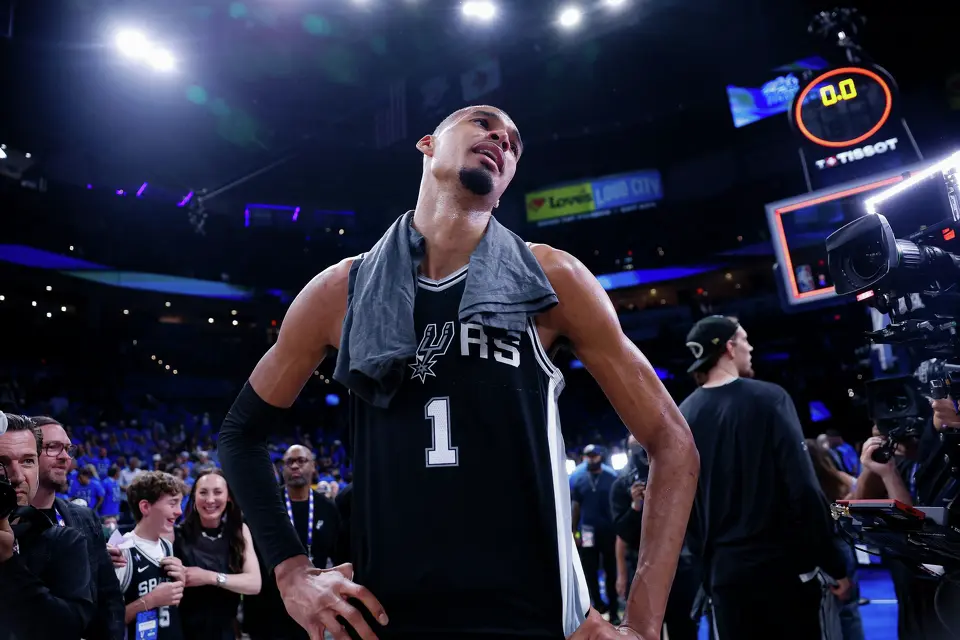
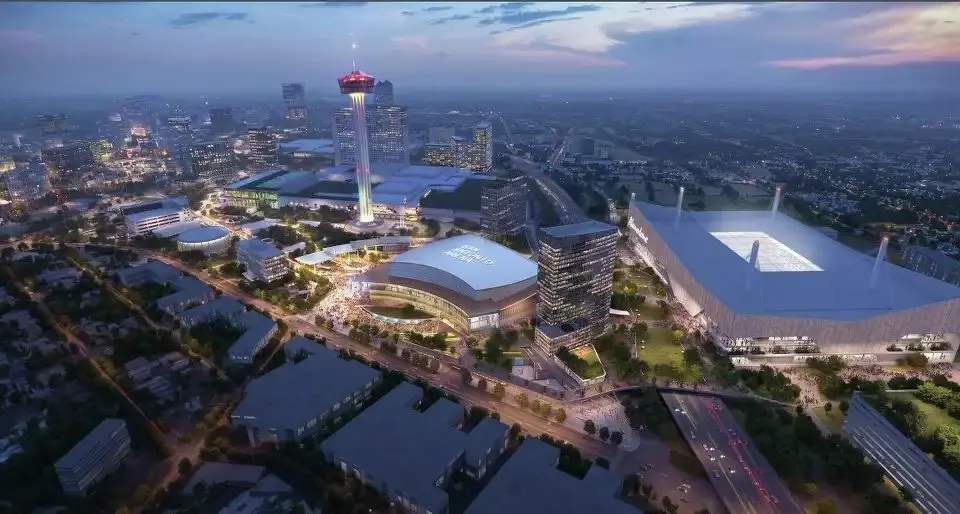
这支球队不仅天赋异禀——维克托·文班亚马 (Victor Wembanyama)、斯蒂芬·卡斯尔 (Stephon Castle) 和迪伦·哈珀 (Dylan Harper) 构成了超凡的年轻核心,而且在2032年弗罗斯特银行中心(Frost Bank Center)的租约到期后,球队还将在位于美洲博览会公园(Hemisfair)的市中心新球馆进行比赛。
新球馆的反对者需要接受这一现实。但我们不确定他们是否已经接受,因为他们经常辩称投票结果并不代表民意授权——去年11月,贝克萨尔县52%的选民支持新球馆计划——他们引用微弱的得票差距,细分各个市议会选区的投票总数,并刻意区分居住在圣安东尼奥市内和市外的选民(而事实上,他们都居住在贝克萨尔县)。
有些人呼吁进行第二次投票,且投票范围仅限于圣安东尼奥市的选民。为此,有人正推动在下一次城市债券选举中,将市中心体育与娱乐区(即新球馆)的基础设施项目打包进行投票。
这将是一个错误,因为这会挑起城市不同区域之间的对立——债券项目造福的是整个社区,而不仅仅是特定的议会选区。这将是一种暗度陈仓的手段,旨在颠覆此前的球馆选举,并给该项目注入混乱和不确定性。
这项球馆交易将整合来自圣安东尼奥市的4.89亿美元、贝克萨尔县酒店和租车税基金的3.11亿美元,以及马刺体育与娱乐公司(Spurs Sports & Entertainment)提供的5亿美元。然而,该交易的反对者在谈到球队的贡献时,经常忽略几个重要细节。
首先,马刺队将承担所有超支费用,这可能高达数千万美元。其次,马刺队还将为社区福利协议贡献7500万美元,此外每年还要支付400万美元的租金,且租金每年递增2%。
这份协议不仅让俄克拉荷马城选民在2023年压倒性通过的方案相形见绌——当时雷霆队老板集团仅为新球馆贡献了5000万美元——而且它还将马刺队锁定在圣安东尼奥至少一代人的时间,甚至可能更久。
在球馆投票之前,马刺队是否曾考虑过搬迁到其他市场(奥斯汀和拉斯维加斯经常被提及)是一个备受争议的问题。但现在,这已不再是个问题。
但试想一下,如果在这轮NBA总决赛期间,球队在这里的未来——以及世界上最伟大的篮球运动员的未来——哪怕存在一丝一毫的变数,局面都将变得无法想象。
如果反对者认为去年11月的投票结果很接近,那么今年球队在赛场上的成功表明,如果现在投票,结果将是一场压倒性的狂胜。通过T恤销量、市中心的庆祝活动、汽车鸣笛和收视率所表达出来的民意,就是建造这座新球馆。
当然,如果人们对有限的债券额度确实存在合理的担忧,那么我们完全可以探索其他形式的基础设施资金来源。一种可能性是利用来自项目融资区的基础设施州专属资金,而不是将这笔钱用于扩建会议中心或翻新阿拉莫穹顶体育馆(Alamodome)。
另一个选择可能是对与球馆相关的基础设施征收门票附加费,这相当于一种使用者税,或者也可以将这种费用应用于二级市场(二手票务市场)。
也许应该增加社区福利协议的金额,以更好地抵消基础设施成本;又或者,马刺体育与娱乐公司需要承诺带回一支WNBA球队,或者将圣安东尼奥FC(San Antonio FC)转型为一支在阿拉莫穹顶体育馆比赛的MLS(美职联)球队。
这里的关键在于,提出和解决社区关切的方式,应当是能够加强市中心球馆项目并促进城市发展,而不是去破坏球队的长期未来或否定此前的选举结果。
马刺队重返NBA总决赛,并且很快将在市中心打球。这对于球队和圣安东尼奥来说都是一件好事。我们的未来一片光明。
由生成式 AI 翻译,译文内容可能不准确或不完整,以原文为准。
点击查看原文:Opinion: Arena opponents need to accept the election results
Opinion: Arena opponents need to accept the election results
Will the San Antonio Spurs play like it’s 1999 and defeat the New York Knicks in the NBA Finals?
We sure hope so, but however this year’s rematch goes down, the future is bright for the Spurs and San Antonio.
Not only is this team blessed with an abundance of talent — Victor Wembanyama, Stephon Castle and Dylan Harper make for an otherworldly youthful core. But the team will be playing in a downtown arena at Hemisfair after 2032 when its lease expires at the Frost Bank Center.
Opponents of the arena need to accept this reality. We’re not sure they do as they frequently argue the vote was not a mandate — 52% of Bexar County voters supported the arena plan in November — by citing the close election, parsing vote totals in various City Council districts and making distinctions between voters who live inside and outside San Antonio (they all live in Bexar County).
Some have called for a second vote that would be limited to just city of San Antonio voters, and to this effect there is a push to group infrastructure projects for a downtown sports and entertainment district — the arena — together in the next city bond election.
This would be a mistake as it would open the door to pitting different parts of the city against each other — bond projects benefit the entire community, not just specific council districts. It would be a backdoor move to subvert the previous arena election, and inject chaos and doubt into the project.
Opponents of the arena deal — which will combine $489 million from the city, $311 million from Bexar County hotel and rental car tax funds, and $500 million from Spurs Sports & Entertainment — frequently overlook several important details when it comes to the team’s contributions.
The first is the Spurs will cover all cost overruns. That’s potentially tens of millions of dollars. The next is that the Spurs also are contributing $75 million for a community benefits agreement in addition to $4 million a year in rent, with 2% annual increases.
Not only does this agreement dwarf what Oklahoma City voters overwhelmingly approved in 2023 — with the Thunder ownership group contributing $50 million to a new arena — but it locks the Spurs in San Antonio for at least a generation, and likely much longer.
Whether the Spurs would have ever considered moving to a different market — Austin and Las Vegas were often mentioned — was a question of great debate before the arena vote. It’s not now.
But just imagine if the team’s future here — and, in turn, the world’s greatest basketball player — were even remotely in doubt during this NBA Finals run? It would be untenable.
And if opponents think the vote was close in November, this year’s on-court success suggests such a vote would be a blowout now. The mandate, as voiced in T-shirt sales, downtown celebrations, honking and ratings, is to build the arena.
Now, if there are legitimate concerns about limited bond capacity, then by all means let’s explore other forms of infrastructure funding. One possibility could be dedicated state funds from a project finance zone for infrastructure, rather than using that money to expand the Convention Center or renovate the Alamodome.
Another option might be a ticket surcharge for stadium-related infrastructure, which would be the equivalent of a user tax, or perhaps such a charge could be applied to the secondary market.
Perhaps the community benefits agreement should be increased to better offset the infrastructure costs, or perhaps Spurs Sports & Entertainment needs to commit to bringing back a WNBA team or turning San Antonio FC into an MLS franchise that plays in the Alamodome.
The point here is that community concerns should be raised and addressed in a way that strengthens the downtown arena project and the city, not in a way to undermine the team’s long-term future or a previous election.
The Spurs are back in the NBA Finals and soon will be playing downtown. That’s a good thing for the team and San Antonio. Our future is bright.
By Express-News Editorial Board, via San Antonio Express-News