By Ramona Shelburne, 2026-06-13 19:00:00
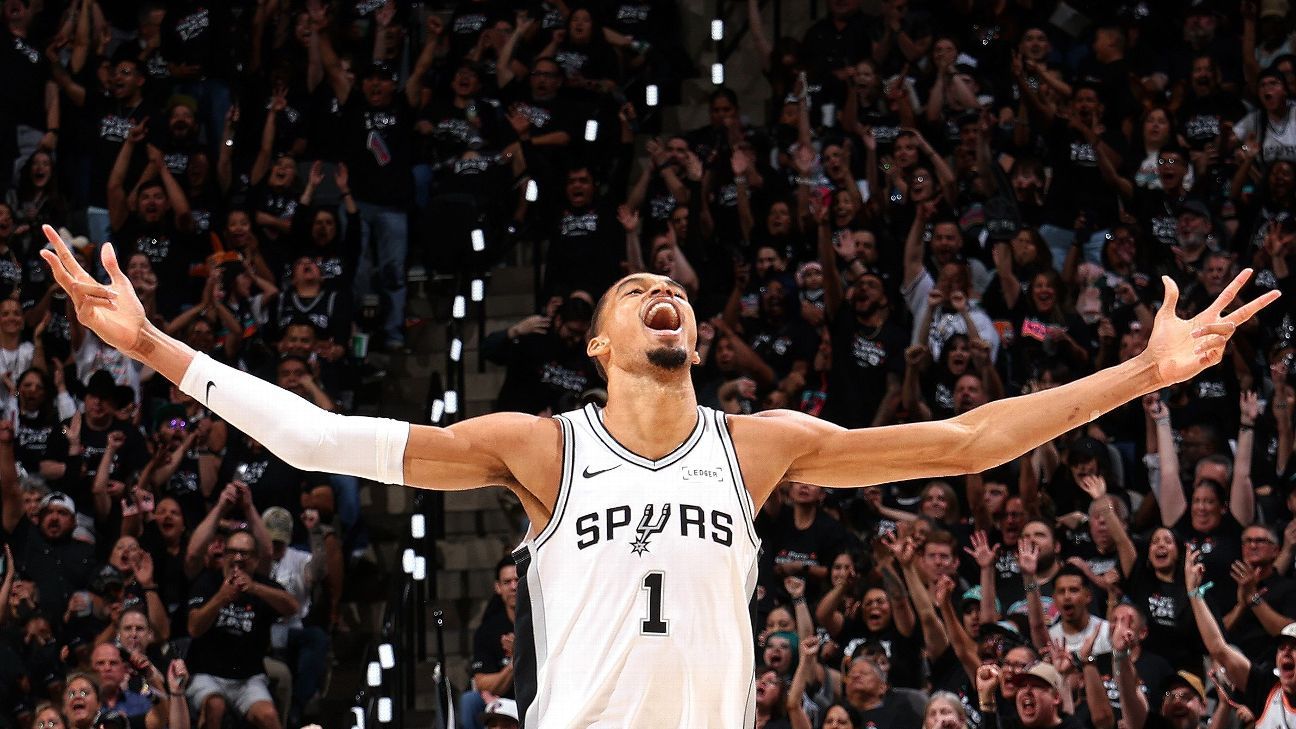
延安师父 (Master Yan’an) 自6岁起就在中国河南省的少林寺修行。他曾数千次攀登约1500级石阶,登上五乳峰前往达摩洞。这些石阶大小不一,高矮各异。有些狭窄,有些陡峭。白天,前来游览的游客通常需要一到两个小时才能登顶。夜间则不建议攀登。山路上没有灯光,一步踩空就可能让登山者从陡峭的石阶上滚落下去。
但在去年夏天,延安师父迎来了一位不同寻常的学生。圣安东尼奥马刺队的入选NBA最佳阵容的中锋维克托·文班亚马 (Victor Wembanyama) 当时正在寻找一项挑战,以一种前所未有的方式来考验自己。他希望在自己本就惊人的身体力量之外,锤炼自己的内心力量。
他说,他的目标超越了单纯的体育荣耀。
“我告诉他:你打篮球,我练功夫。如果你想变得伟大,你就必须做别人做不到的事,”延安师父告诉ESPN。“爬山分为两个部分。白天是为了你的身体,锻炼你的耐力和力量。夜晚则是为了你的心灵,提升你的觉察力。”
文班亚马听懂了。
去年夏天,在他少林寺修行的第六天夜幕降临后,他与延安师父以及一群僧人一同徒步前往达摩洞。
“到处都没有灯光,”延安师父说。“你什么也看不见。唯一的路就是一步一步往前走。听你的呼吸,听你的心跳。用脚去感受每一步。运用你的觉察力。”
随同文班亚马前来的两名圣安东尼奥工作人员表达了他们的顾虑。延安师父也很担心。他被托付去训练一位全球偶像、一位难得一见的天才,而他们却要在漆黑一片中踏上险峻的山路。
“他非常年轻,在篮球领域有着不可限量的未来,”延安师父说。“而且他太高了,一路上头撞到了不少树枝,不得不弯下腰才能穿过去。”但他表示,这种训练的全部意义就在于让心灵摆脱恐惧,信任自己的觉察力来指引方向。
一行人步行攀登了大约一个小时,这是一场在黑暗与静谧中的行禅。
在寺庙的整个期间,冥想是文班亚马最难接受的部分。对于一个身高7英尺4英寸(约2.24米)的人来说,盘腿坐下本就十分困难,更不用说一动不动地静坐长达90分钟了。
但他坚持了下来。每天晚上,他睡在三张拼在一起的单人床上,以容纳他高大的身躯。每天早上,他4点半起床训练。僧人们会让他穿梭在寺庙附近的森林里,或者沿着一条200米长、凹凸不平的山坡跑道奔跑,进行蛙跳、冲刺以及单脚上下坡跳跃,以锻炼他的平衡感和耐力。
他们教他少林十三拳——这是两种旨在教授高效重心转移、稳定性和击打原理的基础功夫拳法之一。
延安师父表示,他为文班亚马量身定制的武术训练重点在于控制身体重心,从而在不同位置发力并对抗外力,以此来模拟他在NBA对抗中会遇到的包夹和身体对抗。
文班亚马每天要和100名僧人一起冥想数次,每次冥想的时间由房间中央燃烧的香火长短决定。30分钟还算可以应付,但有时一炷香会烧上90分钟,对于当时只有21岁的文班亚马来说,静坐那么长时间简直是一种折磨。
“我知道他能做到,”延安师父说。“因为他训练时,总是会一次又一次地尝试,直到做到最好。”
延安师父当时就意识到了如今篮球界正在意识到的事情:维克托·文班亚马或许拥有所有人见过的最前所未有的技术组合和未开发的潜力,而他需要一套同样前所未有的训练方案来兑现这些天赋。
这就是传承了34代的少林武僧历史,如何训练出一位一代才出一个的NBA超级巨星的故事,而这位巨星似乎已经准备好在他刚刚起步的职业生涯余下时间里统治赛场。
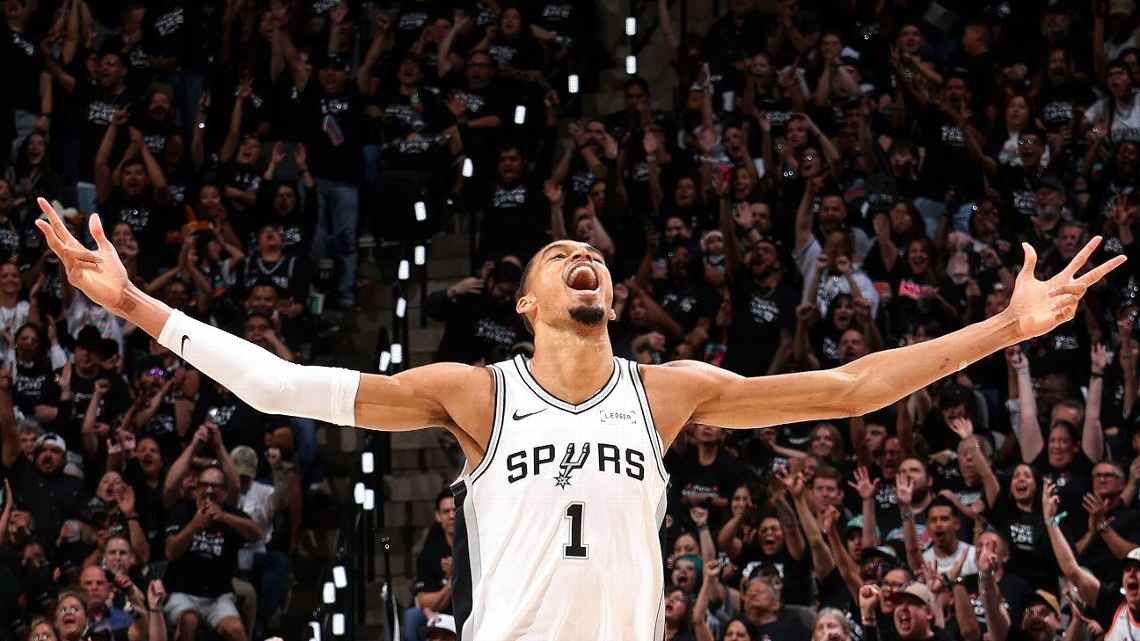
在去年夏天与中国中部的少林武僧进行了近两周的训练后,22岁的文班亚马已经带领年轻的马刺队杀入了西部决赛。 Joe Murphy/NBAE via Getty Images
文班亚马对少林寺的访问虽然尽可能保持保密,但要隐瞒一位身穿耐克Tech运动服、在中国中部旅行的7英尺4英寸全球超级巨星,能做的实在有限。
在文班亚马抵达当天,数百名球迷手拿手机聚集在寺庙外,而在他逗留期间,他训练的视频在世界范围内实时疯传。这位地球上最具辨识度的运动员之一,正与少林武僧一起练习功夫,穿着他们的僧袍,甚至剃了光头,全身心地融入他们的寺院生活。
这是一个引人注目的画面。
在少林寺期间,文班亚马遵循佛教戒律,和僧人们一样吃着严格的素食。
但每天有几次,他的团队会安排一辆斯宾特(Sprinter)面包车开进寺庙,接上文班亚马并开到寺墙之外,在那里有人会送来当地餐馆准备的高蛋白餐食。他会在面包车里吃完,处理掉所有剩余的肉类,然后再被送回寺庙内。
这段经历的每一个细节都显得如此真实,这也让亲眼目睹这一切变得更加令人难以置信。
他为什么去那里?他在寻找什么?他又找到了什么?
在过去的一年里,文班亚马对这些问题给出了几种不同的回答。去年6月下旬,在Fanatics Fest上录制的一期《The Shop》直播节目中,他表示自己去那里是为了“让我的身体经历一些它不习惯的事情”。
去年12月,他告诉ESPN的马莉卡·安德鲁斯 (Malika Andrews),他对僧人们的训练方式很感兴趣,并相信这能通过以全新的方式开发他的身心,来帮助他释放自己的潜力。
“我当时看到一段视频,一个僧人抓着另一个人的脚,那个人就这样上下楼梯……我当时就在想,‘我现在身体上还做不到这些。我的身体还有一些需要填补的空白,还有一些需要开发的领域。’
“这一直——我不能说一直——但几年来,对我来说,将我的身体开发到极致并尽可能兑现潜力,一直是非常重要的事情。”
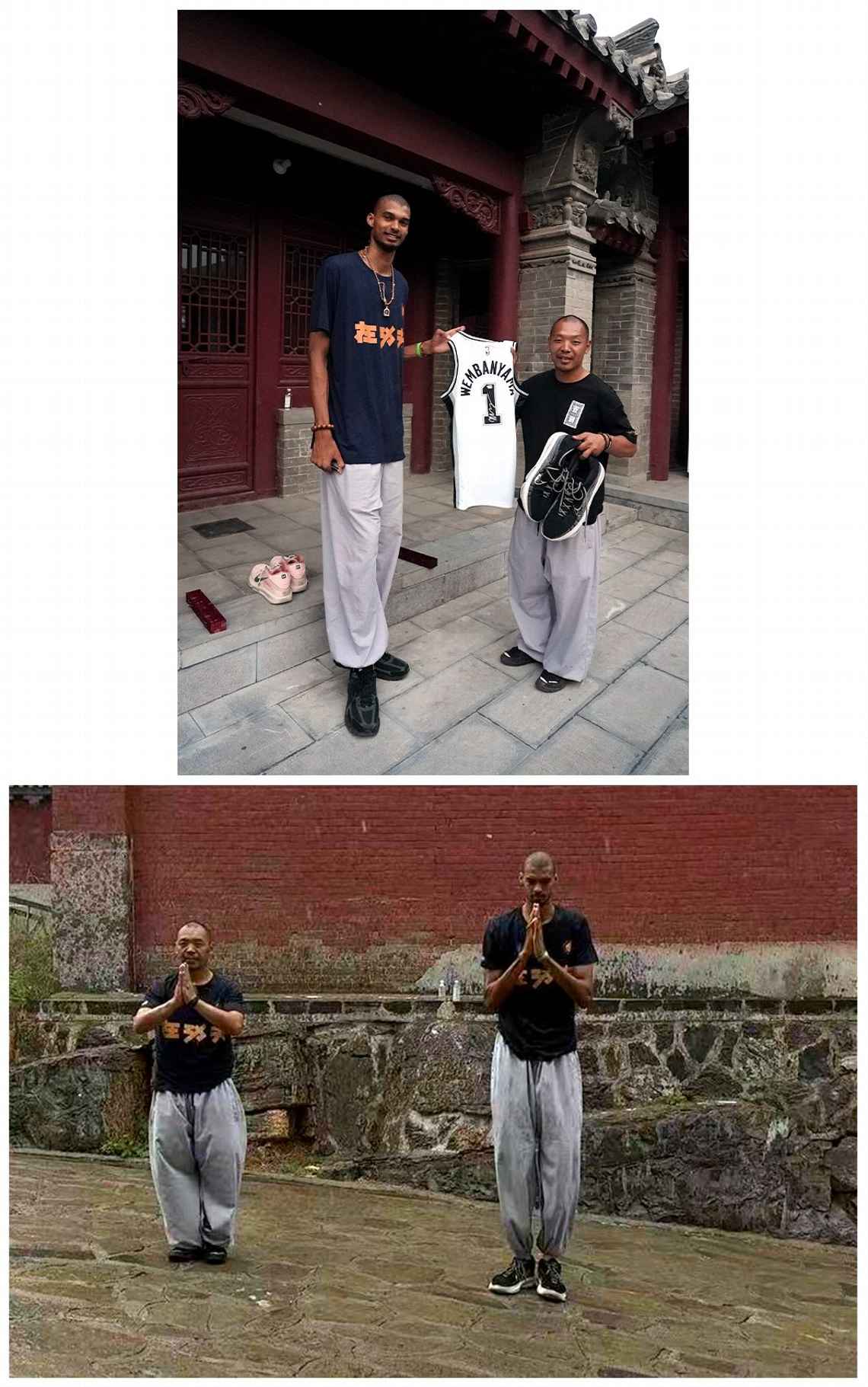
延安师父和文班亚马每天清晨4点半起床,训练和冥想一直持续到接近日落。图片由延安师父提供
延安师父则有不同的看法。
“如果你敢于战斗,你就应该拥有勇气,”他说。“所以,我们教的是如何变得勇敢。去建立勇气。”
延安师父在上海观看了马刺队在首场击败俄克拉荷马雷霆队的比赛,文班亚马在那场比赛中砍下了超凡的41分和24个篮板。他注意到了文班亚马在出战职业生涯新高的49分钟时所展现出的耐力。他注意到了文班亚马在被防守球员推搡时,失去平衡、单脚投篮时所展现出的身体控制力。
他曾训练过文班亚马在对抗中保持重心稳定,即使是单脚着地也是如此。
但他表示,他最注意到的是文班亚马眼神中的坚毅。
“他太特别了,你可以从他的眼神中感受到这一点,”延安师父说。
通过微信视频通话,延安师父似乎在模仿文班亚马在篮球状态达到巅峰时那钢铁般的凝视。
“力量源自内心,”他说。“我会看着他说:你不是猫,你是老虎。要想释放力量,你必须先改变内心。”
延安师父说,一旦文班亚马做到了这一点,他就可以挑战他去做一些别人做不到的事情。
一天,他让文班亚马运着篮球,沿着另一条险峻的山路登上嵩山深处的寺庙——三皇寨。这次徒步要穿过悬崖峭壁上的栈道、吊桥和古森林,路程是到达摩洞的五倍。这条山路需要你在崎岖不平的山脊和乱石中攀爬大约2500英尺(约762米)的海拔高度。
延安师父说,普通人需要花七到八个小时才能到达终点。
而文班亚马做到了——而且是全程运着篮球——仅用了四个半小时。
“光有天赋是不够的,”他说。“你还必须付出努力。维克托两者兼备。他既努力,又有天赋。”
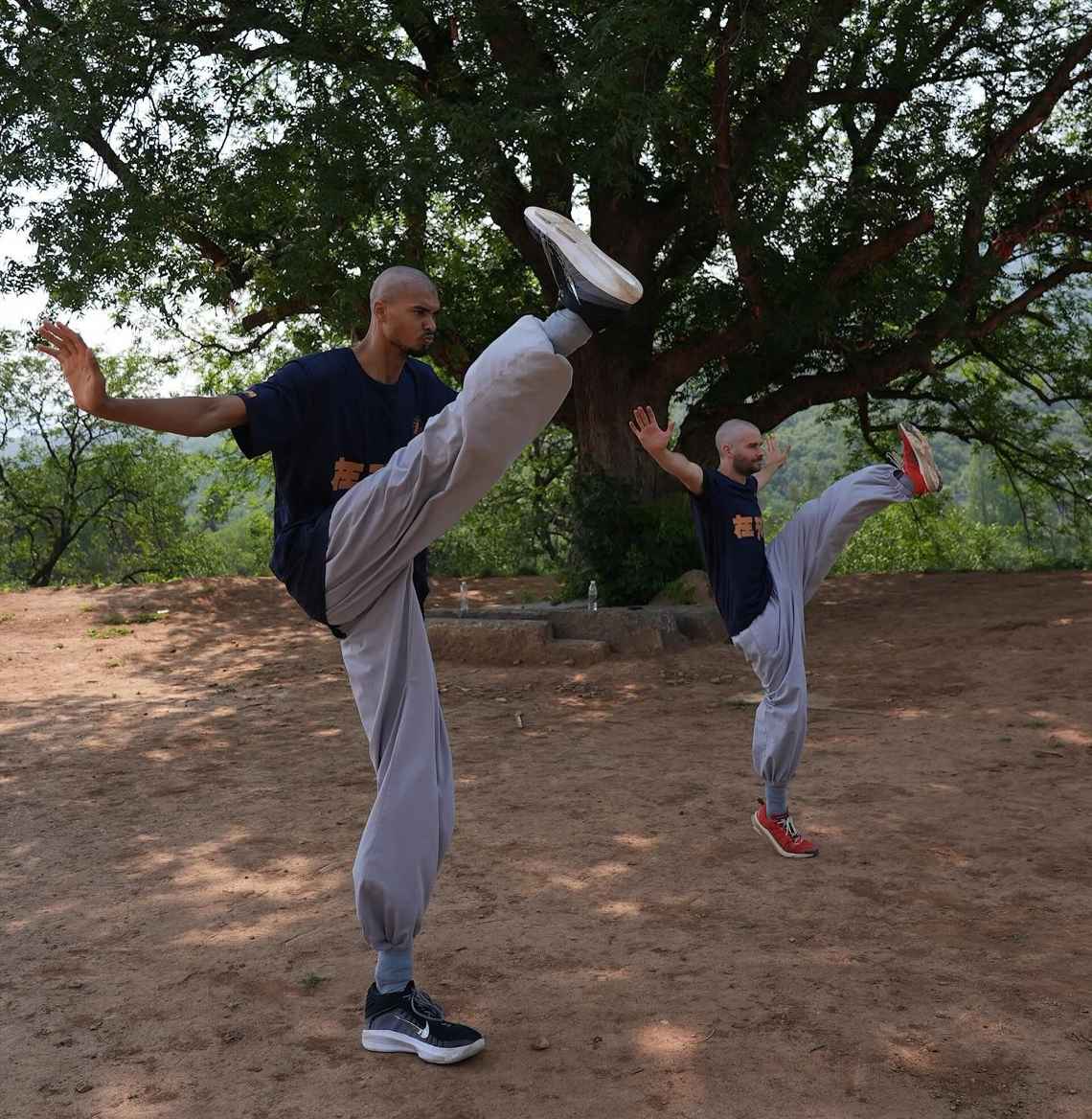
定制的训练方案专注于文班亚马的重心控制,旨在增强力量,以应对NBA对手越来越多试图用身体压制他的挑战。 wemby/instagram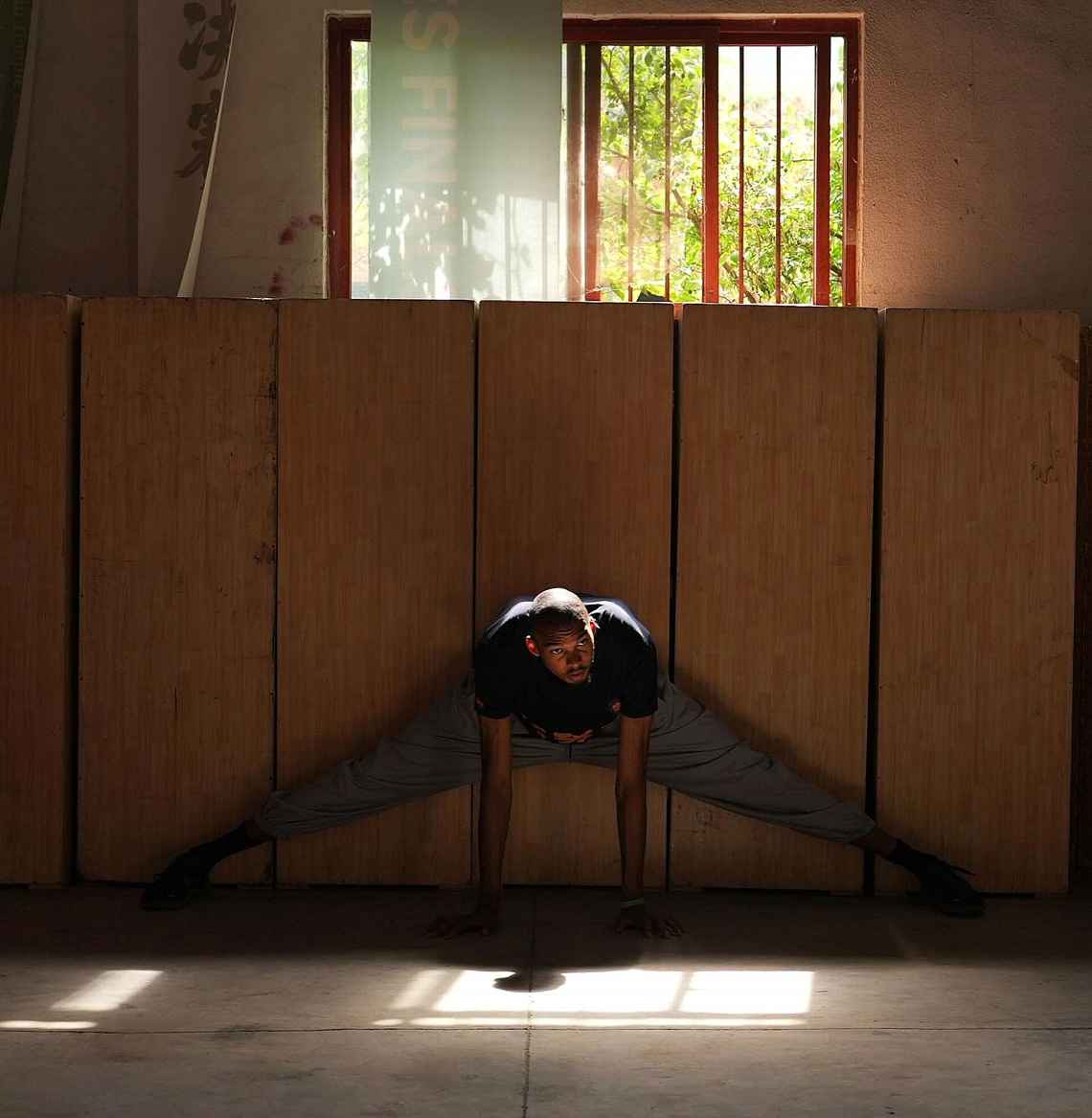
位于中国河南省的少林寺始建于公元五世纪末。公元621年,那里的僧人因代表未来的皇帝李世民在柏谷坞之战中奋战而赢得了武僧的名声。
这个故事的一个版本曾出现在李连杰 (Jet Li) 1982年的处女作电影《少林寺》中,片中13名手持棍棒的少林武僧在一次深夜突袭中击败了敌军,最终帮助奠定了唐朝的基业。
今天在少林寺训练的僧人们所练习的功夫,正是源自1500多年前那些武僧。
延安师父是第34代武僧,少林寺的传人。
他在中国和美国教授过数千名学生。他被选中与文班亚马合作有诸多原因,其中之一是他在洛杉矶和华盛顿特区生活了七年,英语说得非常流利。
文班亚马的经纪人布纳·恩迪亚耶 (Bouna Ndiaye) 于2025年4月首次与他取得联系,当时文班亚马刚刚因接受手术治疗肩膀血栓(该伤势导致他的第二个NBA赛季提前报销)而被允许恢复体育活动。
在研究了来自中国、印度和日本各地的武术大师和流派后,恩迪亚耶认定少林寺提供的修行是文班亚马的最佳选择。
但在将这位世界上最具辨识度的运动员之一送往中国中部进行高强度训练之前,恩迪亚耶安排自己先去实地考察一番。
为了到达那里,他先飞到北京,然后乘坐大约两到三个小时的高铁到达郑州,接着又坐了两个小时的大巴到达登封市。
寺庙和住宿条件极其简陋——一张床(对文班亚马来说是三张)和一个衣柜。日子会非常漫长且充满挑战——每天除了数小时的冥想外,还要进行六到八个小时的训练。
恩迪亚耶回去后将这一切转告给了文班亚马。
文班亚马泰然自若。他对这种纪律和挑战产生了浓厚的兴趣,期待着这能激发他体内的什么潜能,又或者是能帮他放下些什么。
他手臂上的血栓曾让他深感震撼。
“我需要时间重新找回自我,然后变得更好,”文班亚马在12月说道。“这是最好的例子,说明生命是短暂的,职业生涯也是短暂的,随时都可能像这样戛然而止。所以没有时间可以浪费。
“这是一个巨大的动力。这比我能从其他任何事情中得到的动力都要大。”
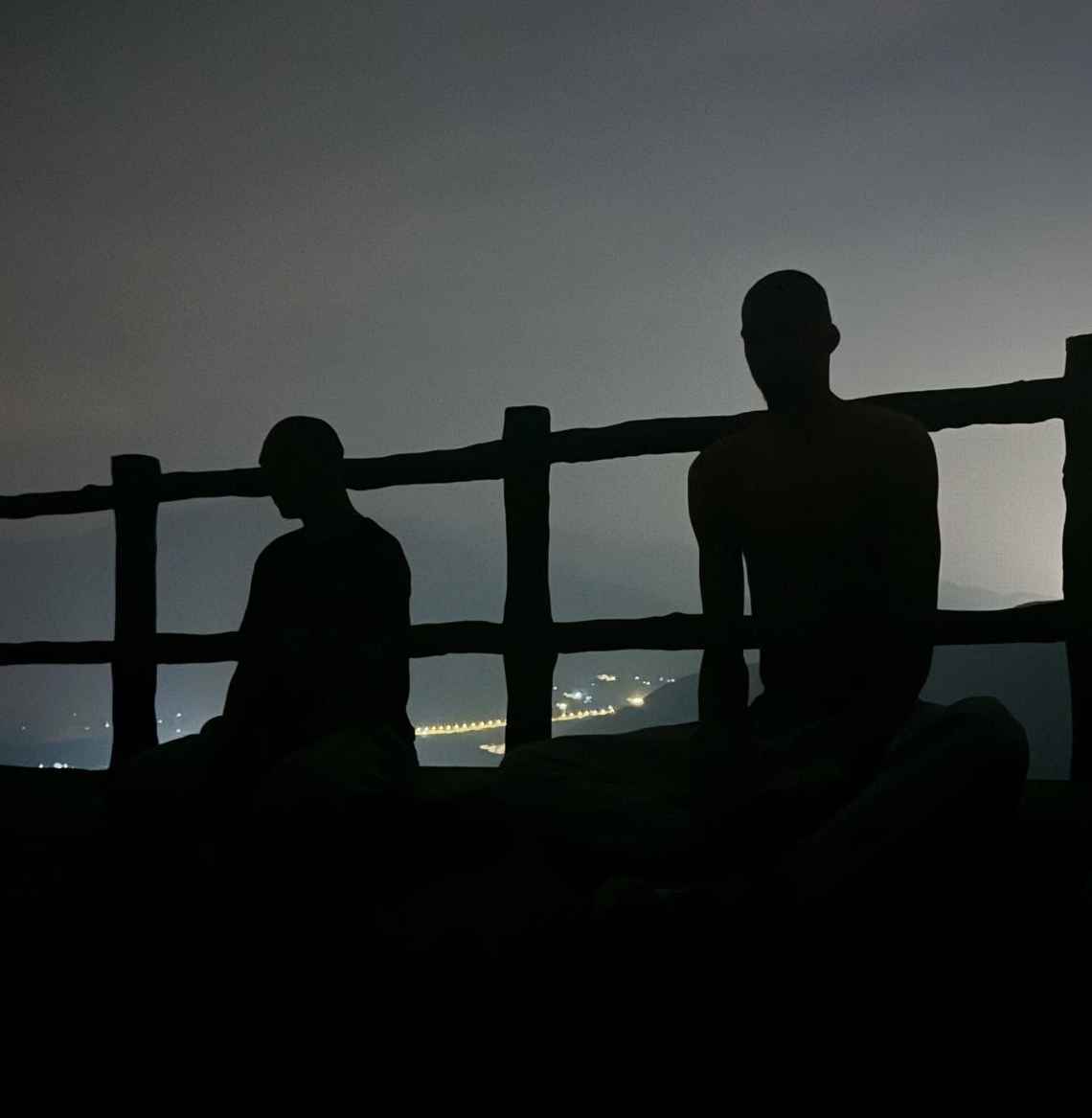
当文班亚马第一次了解到这次修行和它的项目时,他被这一挑战深深吸引——期待着它能激发他体内的潜能,并帮他放下一些包袱。 wemby/Instagram
在过去的三十年里,恩迪亚耶代理过一些来自法国的最优秀球员:鲁迪·戈贝尔 (Rudy Gobert)、尼古拉斯·巴图姆 (Nicolas Batum) 和埃文·富尼耶 (Evan Fournier)。他与文班亚马一家的相识时间也几乎同样长。文班亚马的母亲埃洛迪 (Elodie) 甚至在恩迪亚耶的儿子只有5岁时执教过他。
他一直深知代理一位像文班亚马这样拥有天赋异禀的运动和精神才华的球员所肩负的责任。但随着文班亚马逐渐兑现他非凡的天赋,恩迪亚耶也开始将这视为一种荣幸。
“我总是试图超前思考,看看我们如何能以不同的方式训练这个孩子,因为他是如此与众不同,”恩迪亚耶说。“我们必须为他做点什么,而不仅仅是和他一起做点什么。”
去年4月,他给洛杉矶湖人队总经理兼篮球运营总裁罗伯·佩林卡 (Rob Pelinka) 打了电话,后者在科比·布莱恩特 (Kobe Bryant) 职业生涯的大部分时间里担任其经纪人,并约了一顿午餐。
原因很简单。
“他们的思维方式与众不同,”恩迪亚耶告诉ESPN。“他们打球的方式,他们挑战极限的方式。还有他们的好奇心。他们如何研究和观察事物。在如何解决问题上,他们都非常有创意。”
恩迪亚耶说,文班亚马去年春天需要解决的问题是,如何在不增加体重的情况下在场上更具对抗性。如何在不失去让他身体如此独特的灵活性和运动能力的前提下变得更强壮。如何以不同的方式移动,从而在三分线内贯彻他的意志、发挥他的身高和惊人的技术,因为在三分线内,他的对手通常会选择一个比他重30到50磅的球员来对他进行粗野的身体对抗。
“基本上,他希望进行身体上的蜕变,这样他就能不知疲倦地奔跑,并利用自己的身体天赋更接近篮筐,”恩迪亚耶说。“然后,他希望接受挑战。”
精神上、身体上、心灵上。在每一个层面上接受挑战,这对于一个本就比大多数人更严苛要求自己的、身体状态极佳的运动员来说,是所能面临的最大挑战。
佩林卡一边听恩迪亚耶说,一边点头。他了解这类人。
他告诉他,科比以前也是这样。有一年夏天,科比迷上了研究大白鲨如何捕猎和攻击猎物。于是,佩林卡的工作就变成了为他寻找世界上最适合做这件事的地方——显然是瓜达卢佩,一个距离墨西哥下加利福尼亚半岛海岸150英里的岛屿,在那里你可以坐在铁笼里潜入清澈见底的海水中观察鲨鱼。
科比后来在2017年的《球星看台》(The Players’ Tribune)上撰文写道,他对大白鲨的研究帮助他防守了阿伦·艾弗森 (Allen Iverson)。
还有科比对西斯廷教堂的痴迷。佩林卡曾在一个夏天安排他前往那里,由一位艺术史学家引导进行私人参观。
佩林卡告诉恩迪亚耶,科比对米开朗基罗 (Michelangelo) 如何在没有充足自然光线的空间里,躺在脚手架上画出三维立体杰作感到着迷。
这其中的启示不在于所使用的技巧,而在于在不可能的条件下创造非凡事物的远见和毅力。
当佩林卡讲述这些故事时,恩迪亚耶频频点头,两人都为各自的明星客户在对待自己的事业时所展现出的求知欲而感到欣喜。
“我想了解科比是如何做事的,”恩迪亚耶告诉ESPN。“这样我们就能向他学习。维克托和任何人都不同。我们必须发挥创造力,为他量身定制独特的训练方案。”
传说中,被誉为将禅宗佛教传入中国的僧人菩提达摩 (Bodhidharma) 于公元527年攀登了五乳峰,并在山顶附近的一个洞穴里面壁冥想了九年。
那时还没有石阶,只有一条荒凉的山路。在过去的1500年里,少林武僧们清理了茂密的森林小径,铺设了石阶,以便其他人也能前来朝圣。
恩迪亚耶无法确定文班亚马夜登五乳峰是否是他在西部决赛第一场中打出那种表现的原因,抑或是他打出这样一个赛季的原因。
但他可以肯定的是,他的客户本赛季看起来和打球方式都与以往不同——文班亚马场均三分球出手次数比上赛季减少了三次——比以往任何时候都更加明显。
他的移动方式不同了,像一只老虎。仿佛他已经宣告了自己的到来。
“他在精神力量方面的表现是我以前从未见过的,”恩迪亚耶说。“现在在所有这些情况下都存在压力。他能清醒地意识到这种压力,也知道自己是一支争冠球队的重要拼图。而且我认为他领导得非常完美——那就是在不当混蛋的情况下进行领导。
“第二,他的身体状态是数一数二的。我们正在进入一年中每隔一天就要打一场比赛的阶段,而维克托的身体状态看起来依然非常好,我认为这就是所有这些付出的结果。
“他去年每天都在跑步,每天。在任何地方跑,总是在户外,在中国飞檐走壁、爬山、穿林。当他回到美国后,他依然到处跑,而且他太快了。没有人能跟得上他。”
如果他继续沿着这些道路走下去,也许永远不会有人能跟得上他。
ESPN的查尔斯·林 (Charles Lin) 和迈克尔·万 (Michael Wan) 对本文亦有贡献。
由生成式 AI 翻译,译文内容可能不准确或不完整,以原文为准。
点击查看原文:Inside the Shaolin monastery that helped build Victor Wembanyama
Inside the Shaolin monastery that helped build Victor Wembanyama
MASTER YAN’AN HAS trained at the Shaolin Temple in the Henan province of China since he was 6 years old. He has climbed the roughly 1,500 stone steps up Wuru Peak to the Bodhidharma Cave thousands of times. None of the steps is the same size or height. Some are narrow; some are tall. During the day, tourists who visit the temple usually take one to two hours to reach the peak. It is not advised to climb at night. There are no lights along the trail, and one wrong step could send a hiker tumbling down the steep staircase.
But Master Yan’an had an unusual student last summer. San Antonio Spurs All-NBA center Victor Wembanyama was looking for a challenge that would test him in ways he’d never been tested before. He wanted to build his inner strength alongside his already prodigious physical strength.
His goals, he said, transcended mere athletic glory.
“I told him: You play basketball, and I do kung fu. If you want to be great, you have to do things that other people can’t do,” Master Yan’an told ESPN. “There are two parts to climbing the mountain. The daytime is for your body. Your endurance, your strength. The nighttime is for your mind. Your awareness.”
Wembanyama understood.
After darkness fell on the sixth night of his retreat at the Shaolin Temple last summer, he joined Master Yan’an and a group of monks for a hike to the Bodhidharma Cave.
“There were no lights anywhere,” Master Yan’an said. “You can’t see anything. The only way to go is step by step. Listen to your breath and listen to your heart. Feel each step with your foot. Use your awareness.”
Two staffers from San Antonio who had accompanied Wembanyama expressed their reservations. Master Yan’an worried, too. He’d been entrusted to train a global icon, a generational talent, and they were about to embark on a treacherous mountain path in total darkness.
“He’s really young, and he has a really great future in basketball,” Master Yan’an said. “He’s also very tall, so he hit his head on some of the trees along the path and had to lean forward to go under them.” But the entire point of this training, he said, was to free your mind from fear and trust your awareness to guide you.
The group walked and climbed for about an hour, a moving meditation in darkness and silence.
Throughout his time at the monastery, meditation had been the most difficult aspect for Wembanyama to embrace. It’s hard for someone 7-foot-4 to sit cross-legged at all, let alone silently for up to 90 minutes, without moving.
But he kept at it. Each night he slept in three single-size beds that had been pushed together to accommodate his frame. Each morning he rose at 4:30 to train. The monks would have him run through the forests near the monastery or along an uneven 200-meter hillside track, doing frog jumps, sprints and one-legged hops uphill and downhill to build his balance and stamina.
They taught him the Shaolin 13 Fist Form – one of the two basic forms of kung fu meant to teach efficient weight shifts, stability and striking principles.
Master Yan’an said he designed Wembanyama’s customized martial arts training to emphasize controlling his center of gravity, which would generate force from different positions and resist external forces, to mimic the double-teams and physical play he’d face from NBA opponents.
Several times a day Wembanyama meditated with 100 other monks, each session’s length determined by the length of the wick of incense that burned in the center of the room. Thirty minutes was doable. But sometimes the incense burned for 90 minutes, and it was agonizing for the then-21-year-old Wembanyama to sit that long.
“I knew he could do it,” Master Yan’an said. “Because when he trains, he always tries again and again until he is the best.”
Master Yan’an recognized then what the basketball world is recognizing now: that Victor Wembanyama has perhaps the most unprecedented set of skills and untapped potential anyone has ever seen, and that he requires a similarly unprecedented training regimen to realize it.
This is the story of how 34 generations of Shaolin warrior history trained a once-in-a-generation NBA superstar, one who looks poised to dominate for the rest of his nascent career.
The 22-year-old Wembanyama, after spending nearly two weeks training with Shaolin monks in central China last summer, has led the young Spurs to the Western Conference finals. Joe Murphy/NBAE via Getty Images
WEMBANYAMA’S VISIT TO the temple had been kept as confidential as possible, but there is only so much that can be done to conceal a 7-foot-4 global superstar traveling through central China in Nike Tech sweats.
Hundreds of fans gathered outside the temple, cell phones in hand, on the day Wembanyama was set to arrive, and throughout his stay videos of him training went viral worldwide in real time. One of the most recognizable athletes on the planet was training in kung fu with Shaolin monks, wearing their robes and shaving his head as he embraced their monastic lifestyle.
It was a striking scene.
Wembanyama ate the same strict vegetarian diet as the monks while he was there, in accordance with Buddhist principles.
But several times a day, his team arranged for a Sprinter van to pull into the monastery, pick up Wembanyama and drive him outside the walls of the temple, where someone would deliver a high-protein meal from a local restaurant. He would eat it inside the Sprinter van, dispose of any remaining meat, then be driven back inside the temple.
Every bit of the experience seemed authentic, which made it that much more unbelievable to witness.
Why was he there? What was he looking for? What did he find?
Over the past year, Wembanyama has given several different answers to those questions. In late June he said that he’d gone there to “put my body through things it isn’t used to” during a live episode of “The Shop” at Fanatics Fest.
In December he told ESPN’s Malika Andrews that he was intrigued by the way the monks trained and believed it would help him fulfill his potential by developing his mind and body in new ways.
"I was just looking at this video of a monk holding the feet of the guy and he goes up and down the stairs … and I was just thinking, ‘I’m not able to do these things physically right now. My body still has some areas to fill and some areas to develop.’
“It’s always been – I can’t say always been – [but] for some years it’s been very important for me to develop my body into what it can be and fulfill the potential as much as possible.”
Master Yan’an and Wembanyama woke each day at 4:30 a.m. and trained and meditated until nearly sundown. Courtesy of Yan’an
Master Yan’an has a different theory.
“If you dare to fight, you should have courage,” he said. “So, we are teaching how to be courageous. To build courage.”
Master Yan’an watched Wembanyama’s transcendent 41-point, 24-rebound performance in the Spurs’ Game 1 win over the Oklahoma City Thunder from Shanghai. He noticed Wembanyama’s endurance in playing a career-high 49 minutes. He noted the body control Wembanyama displayed in making off-balance, one-legged shots as he was being shoved by defenders.
He’d trained Wembanyama to keep his center of gravity intact through contact, even off one leg.
But mostly he noticed the resolve in Wembanyama’s eyes, he said.
“He’s so special, you can feel that from his eyes,” Master Yan’an said.
Through a video chat on WeChat, Master Yan’an seemed to mimic the steely gaze Wembanyama makes when he is in the peak of his basketball flow.
“Power comes from inside,” he said. “I would look at him and say: You are not a cat; you are a tiger. For power to come out, you have to change the inside first.”
Once Wembanyama did, Master Yan’an said, he could challenge him to do something nobody else could do.
One day he told Wembanyama to dribble a basketball up another dangerous mountain route to Sanhuangzhai, a monastery deep in the Song Mountains. The hike traversed cliffside plank paths, suspension bridges and ancient forests, and was five times as long as the one to Bodhidharma Cave. The trail forces you to climb roughly 2,500 feet in elevation across uneven ridges and stone.
Master Yan’an said it would take an average person seven to eight hours to reach the end.
Wembanyama did it – while dribbling a basketball – in four and a half.
“Talent is not enough,” he said. “You need to put in the work, too. Victor has both. He has hard work, and he has talent.”
The customized training regimen focused on Wembanyama’s center of gravity, building strength to endure an NBA that will try more and more to overpower him. wemby/instagram
THE SHAOLIN MONASTERY in China’s Henan province was founded in the late fifth century. The monks who lived there gained a reputation as warriors when they fought on behalf of future Emperor Li Shimin during the Battle of Cypress Valley Fort in 621 A.D.
A version of the story was featured in Jet Li’s debut film in 1982, “Shaolin Temple,” in which 13 staff-wielding Shaolin monks defeated the enemy army during a midnight raid that ultimately helped secure the Tang Dynasty.
The monks who train at the Shaolin Temple today practice a form of kung fu derived from those same monks over 1,500 years ago.
Master Yan’an is a 34th-generation warrior monk, an inheritor of the Shaolin Temple.
He has taught thousands of students in China and the United States. He was chosen to work with Wembanyama for a number of reasons, among them his fluency in English from having lived for seven years in Los Angeles and Washington, D.C.
Wembanyama’s agent, Bouna Ndiaye, first contacted him in April 2025, soon after Wembanyama had been cleared to resume physical activities following surgery to address a blood clot in his shoulder that prematurely ended his second NBA season.
After researching martial arts masters and forms from all over China, India and Japan, Ndiaye decided that the retreat offered by the Shaolin Temple was the best option for Wembanyama.
But before he sent one of the most recognizable athletes in the world into intense training in the middle of central China, Ndiaye arranged to scout the situation himself first.
To get there he flew to Beijing, then took a high-speed train about two to three hours to Zhengzhou, then hopped on a bus for another two hours to Dengfeng City.
The monastery and accommodations would be extremely basic – a bed, or, in Wembanyama’s case, three, and a dresser. The days would be extremely long – six to eight hours per day of training, in addition to hours of meditation – and challenging.
Ndiaye relayed all of this to Wembanyama upon his return.
Wembanyama was unfazed. He was intrigued by the discipline and challenge. By what it might unlock in him and what it might help him let go of.
The blood clot in his arm had shaken him to his core.
“I needed time to find myself again and then to get better,” Wembanyama said in December. "It’s the best example that life is short, [your] career is short, and can end just like this. So there’s no time to waste.
“That’s a great motivation. That’s better motivation than I could expect from anything else.”
When Wembanyama first learned of the retreat and its program, he was intrigued by the challenge – by what it might unlock in him and what it might help him let go of. wemby/Instagram
OVER THE PAST three decades, Ndiaye has represented some of the best players to come from France: Rudy Gobert, Nicolas Batum, Evan Fournier. He has known Wembanyama’s family for almost as long. Wembanyama’s mother, Elodie, even coached Ndiaye’s son when he was just 5 years old.
He always has understood the responsibility in representing a player with Wembanyama’s natural athletic and mental gifts. But as Wembanyama has grown into his extraordinary talent, Ndiaye has also come to see it as a privilege.
“I am always trying to think ahead and see how we can train this kid differently, because he’s different,” Ndiaye said. “We have to do something for him, not just do something with him.”
Last April, he called Los Angeles Lakers general manager and president of basketball operations Rob Pelinka, who represented Kobe Bryant for much of his career, and scheduled a lunch.
The reason was simple.
“The way they think is different,” Ndiaye told ESPN. “The way they play, the way they stretch themselves. Just their curiosity. How they study and watch things. They’re both very creative on how to solve a problem.”
Wembanyama’s problem to solve last spring, Ndiaye said, was how to be more physical on the court without bulking up. How to get stronger without losing the flexibility and athleticism that make his body so unique. How to move differently so he could impose his will and his length and his prodigious skill set inside the 3-point line, where his opponents usually choose a player 30 to 50 pounds heavier to rough him up.
“Basically he wanted to have a physical transformation so he can run forever and use his physical tools to get closer to the basket,” Ndiaye said. “And then he wanted to be challenged.”
Mentally, physically, spiritually. Challenged in every way a supremely conditioned athlete who already pushes himself harder than most humans can be challenged.
Pelinka listened while Ndiaye talked. He knew the type.
Bryant used to do that, too, he told him. One summer Bryant had become obsessed with studying how great white sharks hunt and attack their prey. So it became Pelinka’s job to find him the best place in the world to do that – which is apparently Guadalupe, an island 150 miles off the coast of Baja, Mexico, where you can go cage diving in the crystal-clear waters.
Bryant would later write in The Players’ Tribune in 2017 that his study of great whites helped him defend Allen Iverson.
Then there was Bryant’s obsession with the Sistine Chapel. Pelinka arranged for him to travel there one summer for a private tour guided by an art historian.
Bryant was fascinated by how Michelangelo had painted a three-dimensional masterpiece while lying on scaffolding in a space without abundant natural light, Pelinka told Ndiaye.
The lesson was not about the techniques used but the vision and perseverance to create something extraordinary under impossible conditions.
Ndiaye nodded along as Pelinka recounted these stories, both men delighting in the intellectual curiosity each of their star clients brought to their craft.
“I wanted to understand how Kobe did things,” Ndiaye told ESPN. “So that we could learn from him. Victor is not like anybody else. We have to be creative to build programs that are unique to him.”
LEGEND HAS IT that Bodhidharma, the monk credited with bringing Zen Buddhism to China, climbed Wuru Peak in 527 A.D. and meditated in a cave near the top, facing a stone wall, for nine years.
There were no steps back then, only a wild, mountainous trail. Over the past 1,500 years Shaolin monks have cleared the thick forest trail and laid stone steps so others can also make the pilgrimage.
Ndiaye can’t say if Wembanyama’s nighttime trek up that peak is what led him to have the kind of night he did in Game 1 of the Western Conference finals – or the kind of season he had.
But he can say that his client looks and plays differently this season – Wembanyama averaged three fewer 3-point attempts per game than last season – more than ever before.
He’s moving differently, like a tiger. Like he has already arrived.
“The way that he’s behaving in terms of mental strength is something that I haven’t seen before,” Ndiaye said. "There’s pressure in all these situations now. He has the awareness of that pressure and that he’s an important piece of a team that is trying to win a championship. And I think he’s leading perfectly – which is leading without being an a–hole.
"No. 2, his conditioning is second to none. We’re getting into that period of the year where you’re playing every other day, and Victor is still looking so good physically, and I think this is the result of all this work.
“He was running every day last year, every day. Running everywhere, always outside, up the walls in China, up the mountains, in the forests. When he got back to the States. He just ran everywhere, and he’s so fast. No one can follow him.”
And if he keeps going down these paths, maybe no one ever will.
ESPN’s Charles Lin and Michael Wan contributed to this story.
By Ramona Shelburne, via ESPN