By Jeff McDonald, Staff Writer | San Antonio Express-News (SAEN), 2025-11-26 14:50:30
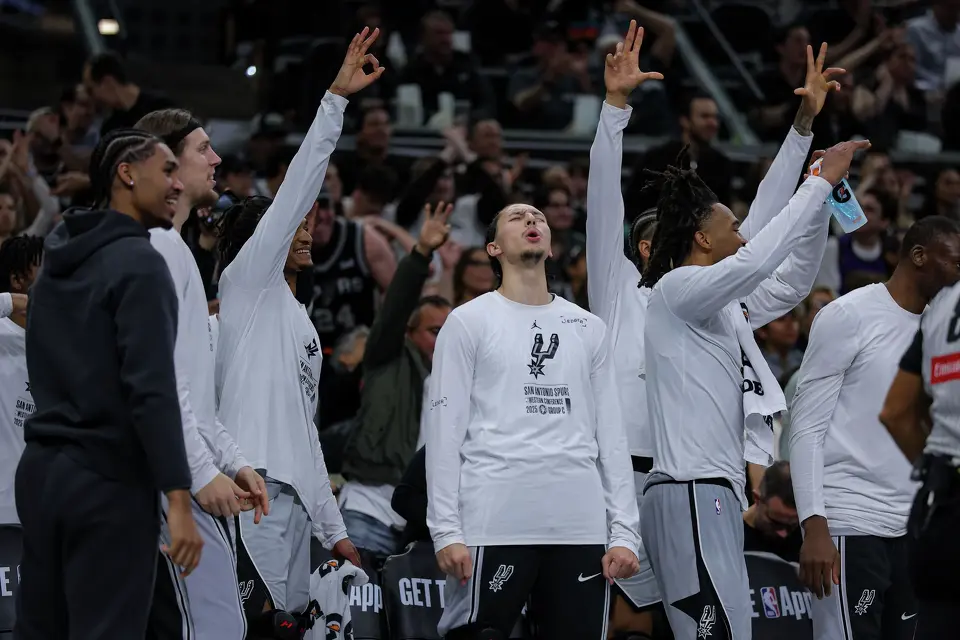
2025年11月14日,星期五,在圣安东尼奥霜岸中心举行的一场NBA杯比赛中,圣安东尼奥马刺队前锋林迪·沃特斯三世(图中)在队友、马刺前锋朱利安·尚佩尼(30号)命中三分后做出反应。本场比赛,马刺队以108-109不敌金州勇士队。
俄勒冈州,波特兰——当马刺队后卫林迪·沃特斯三世 (Lindy Waters III) 8岁那年,他的祖父赠予他一份礼物——一个全新的名字。
在俄克拉荷马州诺曼市外的里德公园,一场传统的命名仪式在此举行,数十位亲属到场见证。林迪·沃特斯一世 (Lindy Waters Sr.) 赐予了他孙子的印第安名字:Pao(发音为帕-欧)。
“在基奥瓦语中,它的意思是‘三’,”沃特斯说道。
三,即是三世的意思,象征着沃特斯作为林迪·沃特斯二世 (Lindy Waters Jr.) 之子、林迪一世之孙的血脉传承。
考虑到这位最年轻的林迪·沃特斯在NBA的立身之本——在三分线外持续开火——这个绰号可以说是颇具先见之明。
收到“Pao”这个名字十年后,沃特斯将它纹在了自己的胸前,以此向他的血统致以永恒的敬意。
“成长过程中,我一直对此(印第安血统)心怀感激,”沃特斯谈到他的印第安血脉时说。“随着年龄增长,这份血脉对我意义愈发重大。NBA里没有太多原住民球员。能够成为其中一员,我倍感珍惜。”
对于28岁的沃特斯来说,他的印第安血统在每年感恩节都会被赋予更深层的含义。沃特斯拥有基奥瓦和切罗基两种血统,他出生于科罗拉多州,但在诺曼市外的一个农场长大。
童年时,沃特斯曾与他家族中切罗基族人一同参加顿足舞仪式。他也曾与他的基奥瓦亲族一同参加帕瓦仪式(powwow)。
他收集鹰羽,这是印第安原住民之间互相赠予的一种传统礼物。
“林迪的背景非常独特和酷。”马刺队教练米奇·约翰逊 (Mitch Johnson) 说道。
而贯穿这一切的,是篮球。
去年夏天,沃特斯与马刺队签下了一份为期一年、价值230万美元的合同。在周三对阵波特兰开拓者队的比赛前,他共出战了六场比赛,场均上场7.7分钟,贡献2.5分。
在马刺队短暂的效力期间,沃特斯已经开始与他的新队友们分享一些他的印第安文化,他留下的印象远超其作为一名替补席末端球员的身份。
他是NBA现役三位拥有印第安血统的球员之一,另外两位是达拉斯独行侠队的凯里·欧文 (Kyrie Irving) 和密尔沃基雄鹿队的马乔恩·博尚 (MarJon Beauchamp)。
“这绝对是他引以为傲的事情,”前锋凯尔登·约翰逊 (Keldon Johnson) 说。“我们百分之一百一十地支持他。虽然他才刚来,但他已经是我们的兄弟之一了。”
沃特斯的印第安血统和他对篮球的热爱都源于同一个人——他的父亲。
小林迪曾在俄克拉荷马州的南拿撒勒大学打过大学篮球,还曾短暂代表休斯顿火箭队打过夏季联赛。
童年时,沃特斯三世就跟着父亲来到诺曼市湖景小学的地毯球场上,学习篮球的基本功。
“他是一名运动员,也是一名得分手,”年轻的沃特斯说。“但他基本不太会运球。所以在我成长过程中,他说,‘我要教你如何投篮和运球。’”
沃特斯的青少年时期大部分时间在诺曼北高中度过,在那里他与未来的亚特兰大老鹰队全明星球员特雷·杨 (Trae Young) 是队友。他还参加过印第安人锦标赛,那里的篮球风格与结构化的高中比赛截然不同。
他们称之为“保留地篮球”(Rez ball),这是“reservation”(保留地)一词的缩写。
跑轰战术。全场飞奔。海量的三分出手。全场紧逼防守。
“对我来说,那才是打篮球,”沃特斯说。“就是上篮和三分。就是快攻。没什么结构,没什么战术。谁拿到球有了空位机会,就直接出手。”
高中毕业后,沃特斯获得了俄克拉荷马州立大学的篮球奖学金,在那里,他与自己印第安血统的联结才真正变得牢固。他开始注意到,来看俄克拉荷马州立大学比赛的球迷中出现了一批新的面孔,他们看起来更像他自己。
沃特斯为当地的孩子们举办训练营和诊所,并留意到了那些前来参加的孩子。
“看到现场观众的构成,看到那些在体育领域没有榜样的年轻一代,”沃特斯说。“那一刻,我真切地感受到了自己的责任。”
2018年,仍在俄克拉荷马州立大学就读的沃特斯被美国印第安博览会评为“年度印第安人物”。之后,沃特斯成立了林迪·沃特斯三世基金会,一个致力于通过体育和健康来支持原住民社区的组织。
纹身始于大学时期,一个接一个。“Pao”是第一个,但不会是最后一个。
左臂上是一根鹰羽。胸前是他祖父的肖像。一头水牛,基奥瓦部落的象征。右小腿上,是帐篷和月亮的场景。
他的右腿上还有一个多栖体育明星吉姆·索普 (Jim Thorpe) 的纹身,索普被广泛认为是史上最伟大的印第安运动员。
“他是我成长过程中的偶像,”沃特斯说。
小林迪确保了这一点。在他12岁那年,沃特斯的父亲得知俄克拉荷马大学计划拆除其吉姆·索普多元文化中心,以便在几个街区外建一个新的。
小林迪从那座即将被拆除的建筑中抢救出了几幅索普的肖像画带回家给儿子——一幅是索普在踢橄榄球,一幅是他在赛跑前的起跑线上,还有一幅是他在1912年斯德哥尔摩奥运会上比赛的场景。
沃特斯三世将这些照片贴在他童年的卧室里,后来又把它们带到了俄克拉荷马州立大学。从那以后,他所居住的每一个地方的墙上,都挂着索普的照片。
“我小时候玩遍了所有运动——棒球、橄榄球、田径,”沃特斯说。“我想变得和他一样。”
但篮球最终成为了沃特斯真正的使命。
2020年大学毕业后落选,沃特斯从一支名为“伊尼德亡命之徒”的篮球联盟(The Basketball League)球队开启了他的职业生涯。他最终加入了G联赛的俄克ла荷马城蓝队,并一路打拼进入了NBA的俄克拉荷马城雷霆队。
2024年夏天,当雷霆队将沃特斯交易到金州勇士队时,这是他自出生以来第一次离开俄克拉荷马州生活。
沃特斯为勇士队出战了38场比赛,之后在去年二月,勇士队在一笔将吉米·巴特勒 (Jimmy Butler) 从迈阿密热火送到金州的三方交易中,将他送往了底特律活塞队。
在离开勇士队之前,沃特斯给他们的主教练留下了深刻的印象。
去年感恩节的第二天,史蒂夫·科尔 (Steve Kerr) 请沃特斯向全队讲述这个节日对他作为一名印第安人意味着什么。
十二个月后,科尔称那次交流是“我与一名球员经历过的最有力量的时刻之一”。
沃特斯谈到他那天是如何在恶魔岛(Alcatraz)度过的,那里被当地部落视为圣地。他在那里唱歌,并与其他几百名印第安人共度了一天。
“听到他的故事,并对他有了一些了解,这感觉太不可思议了,”科尔说。
沃特斯很感激科尔作为一名新队员给了他这个机会。
“很多队友并不知道印第安人的历史,”沃特斯说。“所以能够分享我的故事以及一些历史,帮助他们理解我,也让我感觉更自在、更被看见。”
那么,感恩节对沃特斯意味着什么?答案可以理解地有些复杂。
从某种意义上说,沃特斯看待这个节日的方式与大多数美国人相同。
“对我来说,这意味着家人的团聚时光,”沃特斯说。“是时候聚在一起庆祝了。”
然而,作为一名印第安人,这个节日也带有一抹黑暗的色彩。
“我告诉其他人,这基本上就是一个屠杀印第安人的圈套,”他说。
沃特斯记得,小时候,他的父亲每年秋天都会去他的学校,就克里斯托弗·哥伦布 (Christopher Columbus) 的真实历史和感恩节的意义发表演讲,希望说服当权者修改学区的课程。
小林迪成功了。某种程度上是的。
“现在他们干脆就不谈论这件事了,”沃特斯说。“他们宁愿不谈,也不愿用正确的方式去教。我想我把这算作一次胜利吧。”
在篮球和生活中,沃特斯会抓住他能得到的每一次胜利。
在沃特斯的右前臂上,有另一个纹身,这个纹身的灵感来自《圣经》。
经文出自《腓立比书》3章14节。沃特斯用皮肤和墨水将这段经文浓缩成两个词的概要。
他的手臂上写着:
“奋力前行。”
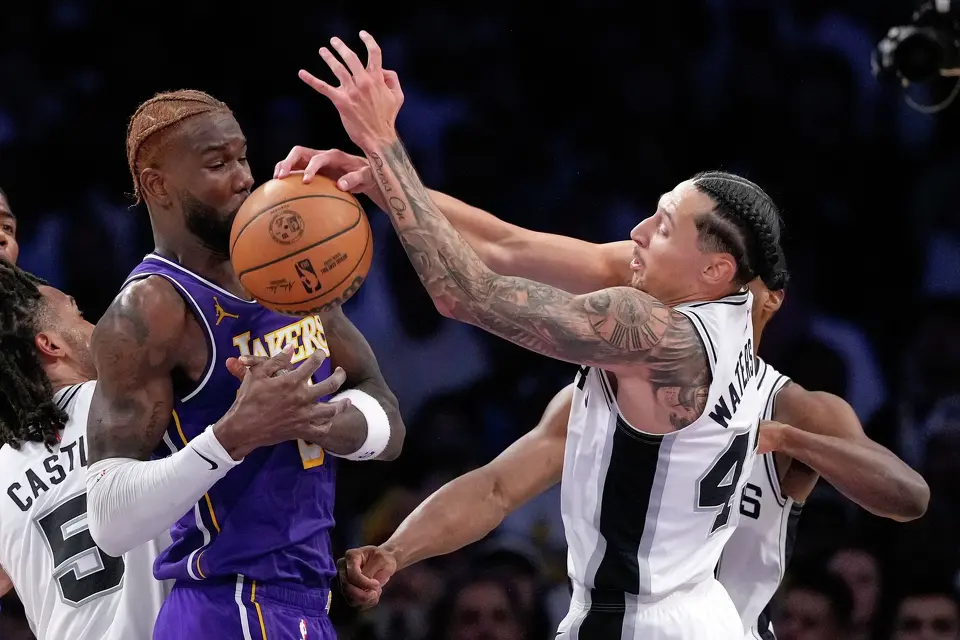
Los Angeles Lakers center Deandre Ayton, left, and San Antonio Spurs forward Lindy Waters III go after a loose ball during the second half of an NBA basketball game Wednesday, Nov. 5, 2025, in Los Angeles. (AP Photo/Mark J. Terrill)
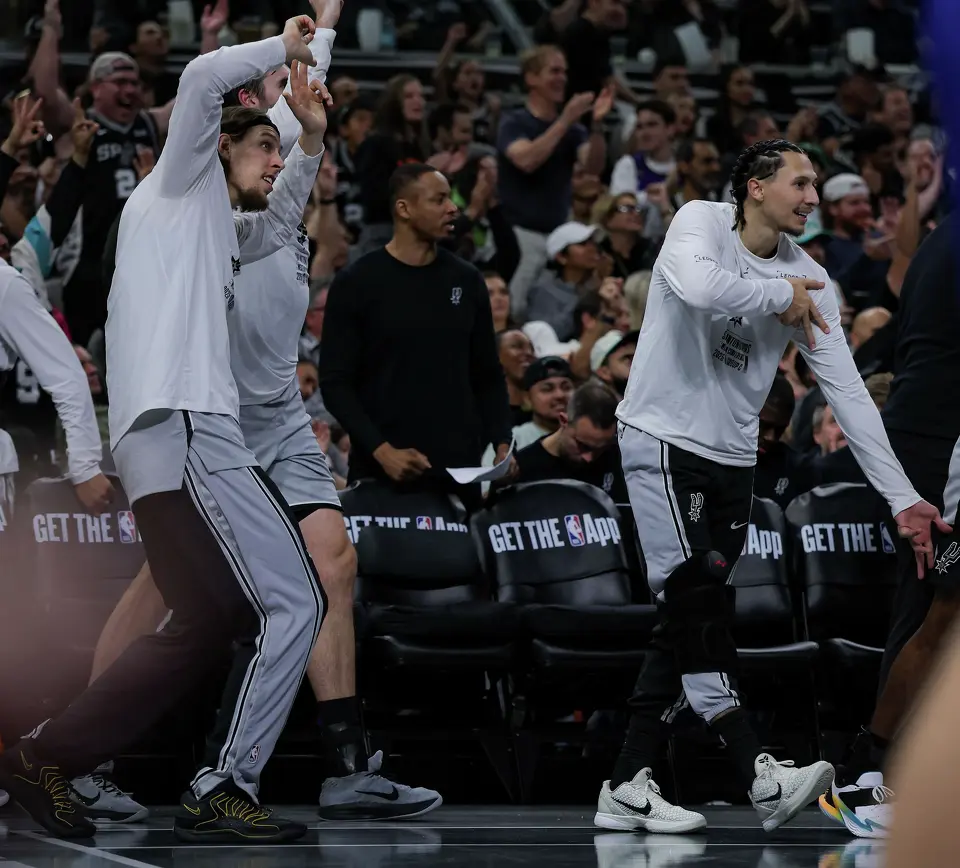
San Antonio Spurs forward Lindy Waters III, right, reacts to a three-pointer by forward Julian Champagnie (30) against the Golden State Warriors during an NBA Cup game at Frost Bank Center in San Antonio, Friday, Nov. 14, 2025. The Spurs fell to the Warriors 109-108.
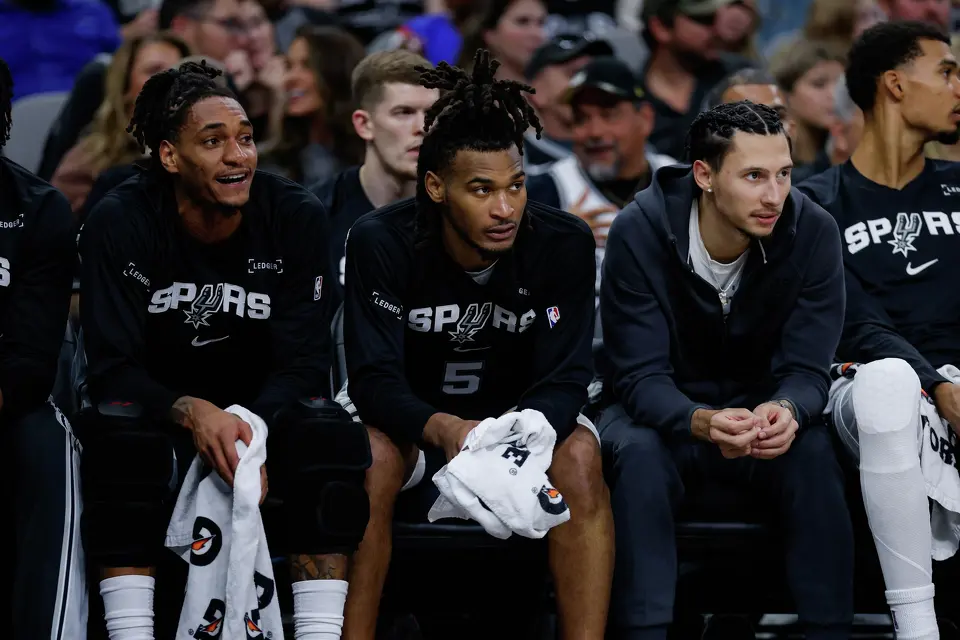
San Antonio Spurs’ Devin Vassell (24), from left, Stephon Castle (5) and forward Lindy Waters III (43) watch their teammates take on the Toronto Raptors during the second quarter at Frost Bank Center in San Antonio, Monday, Oct. 27, 2025. Castle scored 22 points in the Spurs’ 121-103 victory over the Raptors.
由生成式 AI 翻译,译文内容可能不准确或不完整,以原文为准。
点击查看原文:How Lindy Waters' Native American heritage shapes his views on Thanksg
How Lindy Waters’ Native American heritage shapes his views on Thanksg
San Antonio Spurs forward Lindy Waters III, center, reacts to a three-pointer by San Antonio Spurs forward Julian Champagnie (30) during an NBA Cup game against the Golden State Warriors at Frost Bank Center in San Antonio, Friday, Nov. 14, 2025. The Spurs fell to the Warriors 109-108.
PORTLAND, Ore. – When Spurs guard Lindy Waters III was 8 years old, his grandfather gave him the gift of a new name.
In a traditional ceremony held in Reed Park just outside of Norman, Okla., with scores of relatives in attendance, Lindy Waters Sr. bestowed upon his grandson his Native American name: Pao (pronounced Pa-oh).
“It means ‘three’ in the Kiowa language,” Waters said.
Three, as in the third, signifying Waters’ lineage as the son of Lindy Waters Jr. and grandson of Lindy Sr.
Considering the way the youngest Lindy Waters has made his NBA living – firing away from beyond the 3-point arc – the moniker was prescient enough.
Ten years after receiving the name Pao, Waters had the word tattooed across his chest, paying permanent homage to his heritage.
“I was always grateful for it growing up,” Waters said of his Native American bloodlines. “As I got older, it began to mean even more. There’s not a lot of natives playing (in the NBA). Being able to be one of those, I hold it dearly.”
For the 28-year-old Waters, his Native American heritage takes on added meaning each Thanksgiving. Part Kiowa and part Cherokee, Waters was born in Colorado but raised on a farm outside of Norman.
As a child, Waters participated in stomp dance ceremonies with the Cherokee side of his family. He attended powwows with his Kiowa kin.
He collected eagle feathers, a gift traditionally given from one Native American to another.
“Lindy has a really unique, cool background.” Spurs coach Mitch Johnson said.
Through it all, there was basketball.
Waters signed a one-year, $2.3-million contract last summer to join the Spurs. He appeared in six games heading into Wednesday’s contest at Portland, averaging 2.5 points and in 7.7 minutes.
In his short time with the Spurs, Waters has begun to share with his new teammates a bit of his Native American culture, making an impression that belies his status as a little-used bench player.
He is one of three active NBA players to lay claim to Native American heritage, a list that also includes Dallas’ Kyrie Irving and Milwaukee’s MarJon Beauchamp.
“It’s definitely something he’s proud of,” forward Keldon Johnson said. “We support that 110%. Even though he just got here, he’s one of our brothers.”
Waters’ Native American ancestry and his affinity for basketball spring from the same source – his father.
Lindy Jr. played collegiately at Southern Nazarene in Oklahoma and once enjoyed a Summer League cup of coffee with the Houston Rockets.
As a child, Lindy III accompanied his father to the carpeted courts of Lake View Elementary in Norman to learn the basics of the game.
“He was an athlete and a scorer,” the younger Waters said. “But he couldn’t really dribble at all. So growing up, he said, ‘I’m going to teach you how to shoot and dribble.’ ”
Waters spent the bulk of his teenage years at Norman North High, where he was a teammate of Trae Young, the future Atlanta Hawks’ All-Star. He also played in Native American tournaments, which featured a brand of basketball that differed from the structured high school fare.
“Rez ball,” they called it, using a shortened version of the word “reservation.”
Run and gun. Up and down the floor. A metric ton of 3-pointers. Full-court pressure defense.
“That was playing basketball to me,” Waters said. “Layups and threes. Just fast break. Less structure, less plays. Whoever gets the ball and gets an open shot, they shoot it.”
After high school, Waters earned a basketball scholarship to Oklahoma State, where his connection to his Native American roots truly took hold. He started to notice a new demographic of fans coming to OSU games, one that looked more like he did.
Waters held camps and clinics for kids in the area and took note of those who attended.
“Just seeing the audience that shows up, the demographic of younger kinds that don’t have a role model in that space,” Waters said. “It definitely started to become real for me.”
In 2018, while still at Oklahoma State, Waters was named the “Indian of the Year” by the American Indian Exposition. Later, Waters established the Lindy Waters III Foundation, an organization that aims to support indigenous communities through sports and wellness.
The tattoos began in college, one by one. “Pao” was the first, but will not be the last.
An eagle feather on his left arm. A portrait of his grandfather on his chest. A buffalo, the symbol of the Kiowa tribe. On his right calf, a teepee and moon scene.
Also on his right leg is a tattoo of multi-sport star Jim Thorpe, widely considered the greatest of Native American athletes.
“That was my idol growing up,” Waters said.
Lindy Jr. made sure of that. When he was 12 years old, Waters’ father learned the University of Oklahoma planned to demolish its Jim Thorpe Multicultural Center to build a new one a few blocks away.
Lindy Jr. rescued several portraits of Thorpe from the doomed building to bring home to his son – one of Thorpe punting a football, one of him in the starting blocks before a race, one of him competing at the 1912 Olympics in Stockholm.
Lindy III posted the photos in his childhood bedroom, later carrying them to college at Oklahoma State. He has sported Thorpe on every wall of every place he has lived since.
“I played all sports as a kid – baseball, football, ran track and field,” Waters said. “I wanted to be just like him.”
Basketball turned out to be Waters’ true calling.
Undrafted out of college in 2020, Waters began his professional career with an outfit called the Enid Outlaws of The Basketball League. He eventually hooked on with the G League’s Oklahoma City Blue, and worked his way up to the NBA’s Oklahoma City Thunder.
When the Thunder traded Waters to Golden State in the summer of 2024, it marked the first time since birth he lived outside Oklahoma.
Waters appeared in 38 games with the Warriors before the club flipped him to Detroit as part of the three-team deal that shipped Jimmy Butler from Miami to Golden State last February.
Before leaving the Warriors, Waters left a lasting impression on their head coach.
The day after Thanksgiving last year, Steve Kerr asked Waters to address the team about what the holiday meant to him as a Native American.
Twelve months later Kerr calls the exchange, “one of the most powerful moments I’ve ever had with a player.”
Waters talked about how he spent the day at Alcatraz, considered sacred ground for the area’s tribal population, singing songs and sharing the day with a few hundred other Native Americans.
“It was incredible to hear his story and get to know him a little bit,” Kerr said.
Waters was grateful for the opportunity Kerr afforded him as a new member of the team.
“A lot of guys don’t know the history of Native American people,” Waters said. “So being able to tell my story along with a little bit of the history helped them understand me, and made me feel more comfortable and more seen.”
So what does Thanksgiving mean to Waters? The answer is understandably complicated.
In one sense, Waters views the holiday the same way most Americans do.
“To me, it means time for family,” Waters said. “Time to be together and celebrate.”
As a Native American, however, the holiday comes with a darker edge.
“I’m teaching everyone else that it was pretty much like a set-up to massacre Indians,” he said.
When he was a child, Waters remembers his father going up to his school each fall to give lectures on the unvarnished history of Christopher Columbus and the meaning of Thanksgiving, hoping to convince the powers-that-be to revamp the district’s curriculum.
Lindy Jr. succeeded. Sort of.
“Now they just don’t talk about it,” Waters said. “They’d rather not talk about it than teach it the right way. I guess I consider that a win.”
In basketball and in life, Waters will take the wins where he can find them.
On his right forearm, Waters sports another tattoo, this one Biblically inspired.
The verse is Philippians 3:14. In skin-and-ink form, Waters has reduced the scripture to a two-word synopsis.
“Press on,” his arm reads.
By Jeff McDonald, Staff Writer, via San Antonio Express-News