By Kevin Pelton | ESPN, 2025-09-12 20:00:00
由生成式人工智能翻译,译文内容可能不准确或不完整,以原文为准。
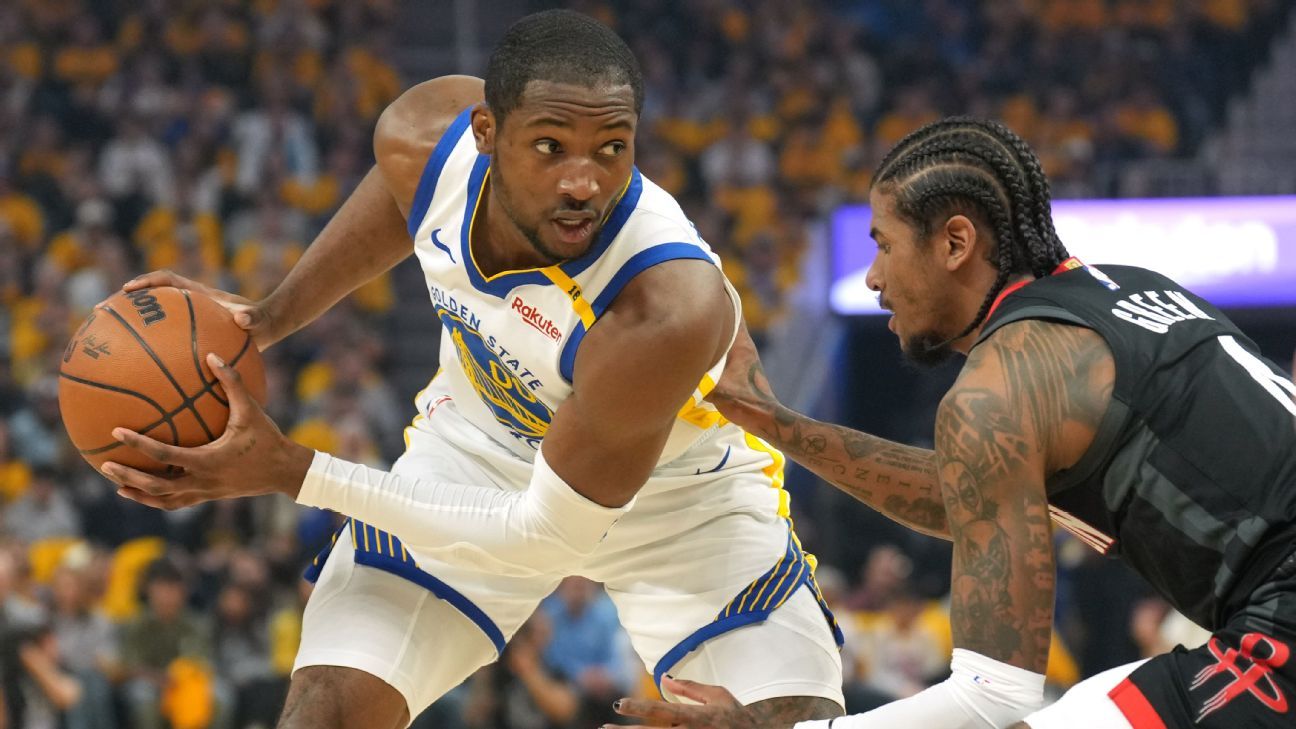
随着NBA休赛期临近尾声,训练营也已在望,各队2025-26赛季的阵容大都尘埃落定。然而,一些球队的阵容中仍存在着重大漏洞。
在NBA限制性的新版劳资协议下,一些重建中的球队更倾向于短期内提升阵容,而非打造一支具有凝聚力的团队。另一些球队,如金州勇士,则受困于悬而未决的受限制自由球员市场,仍在等待。
对于像卫冕冠军俄克拉荷马城雷霆这样的争冠球队而言,阵容中没有明显的问题,恰恰证明了他们建队的成功。另一方面,对于那些志在冲击冠军的球队来说,仅有一个短板或许并非坏事——只要他们能通过内部挖潜或赛季中期补强来填补。
基于此,让我们来逐一审视NBA 30支球队各自最主要的阵容短板。
球队按字母顺序排列。
快速跳转至球队:
ATL | BOS | BKN | CHA | CHI | CLE
DAL | DEN | DET | GS | HOU | IND
LAC | LAL | MEM | MIA | MIL | MIN
NO | NY | OKC | ORL | PHI | PHX
POR | SAC | SA | TOR | UTA | WAS
亚特兰大老鹰
最大阵容短板: 替补阵容的组织串联能力
上赛季,当特雷·杨 (Trae Young) 在场下时,老鹰的百回合进攻效率骤降10分。尽管亚特兰大通过引进尼基尔·亚历山大-沃克 (Nickeil Alexander-Walker) 升级了替补后场,但他并非主要持球手。当杨下场休息时,亚历山大-沃克、原首发戴森·丹尼尔斯 (Dyson Daniels) 以及另一位新援卢克·肯纳德 (Luke Kennard) 可能需要共同分担组织任务。
波士顿凯尔特人
最大阵容短板: 攻防兼备的中锋
过去两个赛季,凯尔特人拥有艾尔·霍福德 (Al Horford)、卢克·科内特 (Luke Kornet) 和克里斯塔普斯·波尔津吉斯 (Kristaps Porzingis),中锋位置上可谓人才济济。但如今,波士顿需要从头再来。内米亚斯·克塔 (Neemias Queta) 展现了护筐和终结能力,而凯尔特人则寄望于卢卡·加尔萨 (Luka Garza) 的技术能弥补其防守短板。在本赛季开始前,波士顿还无法放心地让这两人中的任何一位在季后赛中首发。
布鲁克林篮网
最大阵容短板: 经验丰富的组织者
上赛季仅取得联盟倒数第六的战绩后,篮网在面对2027年首轮签互换权时似乎不敢掉以轻心。缺乏经验的持球手是输球最直接的原因,而在自由市场放走丹吉洛·拉塞尔 (D’Angelo Russell) 后,布鲁克林的控卫轮换将由青少年新秀伊戈尔·德明 (Egor Demin) 和诺兰·特拉奥雷 (Nolan Traore) 担纲。
夏洛特黄蜂
最大阵容短板: 首发中锋
将马克·威廉姆斯 (Mark Williams) 交易至菲尼克斯太阳后,黄蜂很可能指望二轮秀瑞安·卡尔克布伦纳 (Ryan Kalkbrenner) 或穆萨·迪亚巴特 (Moussa Diabate) 进入首发阵容。去年夏天签下双向合同的迪亚巴特在进攻篮板上表现抢眼,投篮命中率高达60%,而卡尔克布伦纳在克雷顿大学时也打出了高效表现。尽管如此,他们两人似乎都更适合担任戏份有限的角色。
芝加哥公牛
最大阵容短板: 防守破坏力
上赛季,公牛在制造对手失误方面排名联盟第29位(仅优于孱弱的犹他爵士),还交易走了队内的场均抢断王朗佐·鲍尔 (Lonzo Ball)——他仅在场均22.2分钟内就能贡献1.3次抢断。为得到鲍尔而引进的艾萨克·奥科罗 (Isaac Okoro),其生涯场均抢断从未超过1次。芝加哥未来将更多地依赖稳固的团队防守,而非个人防守的破坏力。
克利夫兰骑士
最大阵容短板: 外线深度
到赛季末,这或许会成为克利夫兰的优势,毕竟他们拥有全明星后卫达里厄斯·加兰 (Darius Garland) 和多诺万·米切尔 (Donovan Mitchell)。但随着加兰刚接受完脚趾手术,以及马克斯·斯特鲁斯 (Max Strus) 因琼斯骨折预计至少缺席至12月,骑士的阵容深度将面临考验——尤其考虑到伤病总会不可避免地再次发生。
达拉斯独行侠
最大阵容短板: 组织进攻能力
尽管独行侠的前场在引进了安东尼·戴维斯 (Anthony Davis) 后实力强大,但总得有人为这些球员输送炮弹——而这恰恰是导致达拉斯上赛季战绩不佳、最终赢得乐透抽签并选中库珀·弗拉格 (Cooper Flagg) 的短板。在凯里·欧文 (Kyrie Irving) 回归之前,组织重任将落在丹吉洛·拉塞尔身上,而他上赛季在湖人已经失宠。
丹佛掘金
最大阵容短板: 控卫深度
今年夏天,随着掘金引进了约纳斯·瓦兰丘纳斯 (Jonas Valanciunas)——这位三届MVP尼古拉·约基奇 (Nikola Jokic) 的可靠替补——并增强了投射能力,这个问题变得不再那么突出。丹佛寄望于杰伦·皮克特 (Jalen Pickett) 能够担任贾马尔·穆雷 (Jamal Murray) 的主要替补,尽管他去年季后赛中毫无存在感。不过,新援布鲁斯·布朗 (Bruce Brown) 也能在季后赛中承担起这些时间的任务。
底特律活塞
最大阵容短板: 稳健的控球手
上赛季,活塞的失误率排在联盟第21位,仅优于两支季后赛球队(洛杉矶快船和孟菲斯灰熊)。此后,他们还失去了队中最稳健的控球手之一丹尼斯·施罗德 (Dennis Schroder),他在底特律活塞效力期间的助攻失误比高达4.2。随着杰登·艾维 (Jaden Ivey) 被定为替补控卫,我的SCHOENE预测系统认为活塞的失误率将是联盟第二差。
金州勇士
最大阵容短板: 正式合同数量
由于乔纳森·库明加 (Jonathan Kuminga) 悬而未决的受限制自由球员事宜,勇士队在训练营即将开始之际,阵中仅有10名球员身背正式合同,这实属罕见。据ESPN记者安东尼·斯莱特 (Anthony Slater) 报道,一旦库明加的情况得以解决,金州勇士预计将签下自由球员艾尔·霍福德和德安东尼·梅尔顿 (De’Anthony Melton)。
休斯顿火箭
最大阵容短板: 控卫深度
火箭希望2024年的3号秀里德·谢泼德 (Reed Sheppard) 能在他的第二个赛季解决这个问题。谢泼德新秀赛季仅出战654分钟,难以进入常规轮换。休斯顿也可以启用老将阿龙·霍勒迪 (Aaron Holiday),他去年的出场时间稍多一些,但谢泼德能成功上位才是球队最希望看到的结果。
印第安纳步行者
最大阵容短板: 攻防兼备的中锋
在泰瑞斯·哈利伯顿 (Tyrese Haliburton) 遭遇跟腱伤病后,首发中锋迈尔斯·特纳 (Myles Turner) 与密尔沃基达成了协议。杰伊·赫夫 (Jay Huff) 能够提供特纳那样的投射能力,而同样从跟腱断裂中恢复的以赛亚·杰克逊 (Isaiah Jackson) 则是一名更出色的防守者。但两人都尚未证明自己具备稳定首发的能力。
洛杉矶快船
最大阵容短板: 能做出贡献的年轻球员
在休赛期引进了布拉德利·比尔 (Bradley Beal)、约翰·科林斯 (John Collins)、布鲁克·洛佩斯 (Brook Lopez) 和克里斯·保罗 (Chris Paul) 等一众老将后,主教练泰伦·卢 (Ty Lue) 将拥有充足的选择。然而,在快船坚如磐石的前11人轮换之后,阵容出现了明显的断层。科比·布朗 (Kobe Brown) 和卡姆·克里斯蒂 (Cam Christie) 上赛季合计仅出战331分钟,而30号秀亚尼克·科南·尼德豪瑟 (Yanic Konan Niederhauser) 可能也无法立即做出贡献。
洛杉矶湖人
最大阵容短板: 持球防守能力
尽管湖人由卢卡·东契奇 (Luka Doncic)、勒布朗·詹姆斯 (LeBron James) 和奥斯汀·里夫斯 (Austin Reaves) 组成的外线三人组在进攻端威力十足,但在防守端却能力有限。如今已在休斯顿的的多里安·芬尼-史密斯 (Dorian Finney-Smith) 曾在交易截止日后担任湖人的外线防守大闸。他们虽然引进了马库斯·斯马特 (Marcus Smart),但在其职业生涯的现阶段,斯马特在对位高大对手时可能比防守进攻发起点更为出色。
孟菲斯灰熊
最大阵容短板: 侧翼身材
上赛季灰熊与多里安·芬尼-史密斯传出绯闻,原因正是他们缺少能够对位高大前锋的球员。球队希望11号秀塞德里克·考沃德 (Cedric Coward)——一位身高6英尺6英寸、身体强壮的前锋——能够改变这一局面,不过在经历了大天空联盟的两个赛季以及上赛季在华盛顿州立大学仅出战6场比赛后,他很可能需要时间来适应NBA。
迈阿密热火
最大阵容短板: 制造犯规能力
交易走吉米·巴特勒三世 (Jimmy Butler III) 后,热火以外线为主的进攻体系在站上罚球线方面举步维艰。全明星周末后,只有凯尔特人的罚球率比他们更低。在首轮被波士顿横扫的系列赛中,迈阿密场均仅获得13.3次罚球,为季后赛历史第二低……仅高于2024年的热火自己(12.0次)。引进诺曼·鲍威尔 (Norman Powell)(场均4.4次罚球)应能有所帮助。
密尔沃基雄鹿
最大阵容短板: 可靠的控卫
侧翼攻防俱佳的球员或许是更大的问题,但在达米安·利拉德 (Damian Lillard) 跟腱受伤并被球队裁掉后,密尔沃基正在一群未经证明的控球后卫身上下重注。小凯文·波特 (Kevin Porter Jr.) 在二月份加盟雄鹿后得分表现不错,瑞安·罗林斯 (Ryan Rollins) 是一名合格的防守者,新援科尔·安东尼 (Cole Anthony) 也能带来不错的价值。然而,他们中没有一人看起来像是争冠球队的首发控卫。
明尼苏达森林狼
最大阵容短板: 侧翼深度
失去尼基尔·亚历山大-沃克后,森林狼正指望他们近期选中的新秀能够承担起更重要的角色。小特伦斯·香农 (Terrence Shannon Jr.) 在这份名单中位列前茅,他在分区决赛中有所贡献,并在NBA夏季联赛中打出了统治级表现,领先于2024年的乐透秀罗伯·迪林厄姆 (Rob Dillingham)。防守悍将杰伦·克拉克 (Jaylen Clark) 也是一个选择。
新奥尔良鹈鹕
最大阵容短板: 中锋位置
鹈鹕今年夏天在中锋位置上的投入之大令人费解,他们向上交易在第13顺位选中了德里克·奎恩 (Derik Queen),并在自由市场签下了凯文·卢尼 (Kevon Looney)。但这两人本赛季都并非明确的首发人选,这可能让新奥尔良不得不倚仗2024年的首轮秀伊夫·米西 (Yves Missi)。根据Basketball-Reference.com的数据,米西55%的投篮命中率对于他平均2.8英尺的出手距离来说相当糟糕。
纽约尼克斯
最大阵容短板: 更深的阵容厚度
为适应新帅迈克·布朗 (Mike Brown) 更大的轮换阵容,尼克斯在后场引进了乔丹·克拉克森 (Jordan Clarkson),前场补充了盖尔雄·亚布塞莱 (Guerschon Yabusele),但阵中得到证明的贡献者仍然只有九人。ESPN的沙姆斯·查拉尼亚 (Shams Charania) 周四报道称,纽约已续签兰德里·沙梅特 (Landry Shamet),并可能引进马尔科姆·布罗格登 (Malcom Brogdon) 作为另一名老将选择。
俄克拉荷马城雷霆
最大阵容短板: 新球馆
球队新球馆位于佩科姆中心街对面,计划于2028年开放,其动工仪式定于2026年第一季度。毫无疑问,相比于这支卫冕冠军完整回归的轮换阵容,这才是他们更大的“漏洞”。
奥兰多魔术
最大阵容短板: 三分投射能力
去年的这个时候,我也许会给出同样的答案,但如今的紧迫性要大得多。奥兰多上赛季的三分命中率仅为32%,是自2015-16赛季的湖人以来NBA球队的最差表现。引进德斯蒙德·贝恩 (Desmond Bane) 和泰厄斯·琼斯 (Tyus Jones) 应该能给魔术带来巨大帮助,但三分投射仍然是这支看起来颇具竞争力的球队的最大弱点。
费城76人
最大阵容短板: 大前锋位置
尽管乔尔·恩比德 (Joel Embiid) 和保罗·乔治 (Paul George) 的健康是更大的问题,但在身高6英尺8英寸的乔治和7英尺的恩比德之间,费城没有明确的首发人选。76人很可能会摆出小个阵容,让乔治担任非中锋球员中身材最高大的球员,但一旦乔治离场,他们的阵容就会变得异常矮小。
菲尼克斯太阳
最大阵容短板: 控球后卫
据《亚利桑那体育》的约翰·甘巴多罗 (John Gambadoro) 报道,太阳队期望新援杰伦·格林 (Jalen Green) 能与德文·布克 (Devin Booker) 搭档首发控卫,但这将让他们重回2023-24赛季那个困扰他们的组织能力不足的窘境。菲尼克斯或许选择科林·吉莱斯皮 (Collin Gillespie) 会更好,他上赛季在9场首发中场均得到9.6分和4.1次助攻,三分命中率高达47.5%。
波特兰开拓者
最大阵容短板: 控卫深度
随着达米安·利拉德回归波特兰的第一个赛季因跟腱撕裂而作壁上观,开拓者在斯库特·亨德森 (Scoot Henderson) 和新援朱·霍勒迪 (Jrue Holiday) 身后缺乏理想的选择。如果两人中有人缺阵,波特兰或许最好让德尼·阿夫迪亚 (Deni Avdija) 担任组织前锋,而不是把希望寄托在“刮彩票”式的球员布雷克·韦斯利 (Blake Wesley) 身上。
萨克拉门托国王
最大阵容短板: 前场替补
出于薪金考虑交易走约纳斯·瓦兰丘纳斯后,国王在首发球员基根·穆雷 (Keegan Murray) 和多曼塔斯·萨博尼斯 (Domantas Sabonis) 身后的轮换充满了疑问。经验丰富的德鲁·尤班克斯 (Drew Eubanks) 和二轮秀马克西姆·雷诺 (Maxime Raynaud) 将争夺萨博尼斯的中锋替补位置。与此同时,德玛尔·德罗赞 (DeMar DeRozan) 很可能成为萨克拉门托事实上的替补4号位,从而为球队深厚的侧翼轮换腾出时间。
圣安东尼奥马刺
最大阵容短板: 后卫线的投射能力
诚然,随着凯利·奥利尼克 (Kelly Olynyk) 的加入,马刺队与维克托·文班亚马 (Victor Wembanyama) 共同撑起了充足的前场空间。德文·瓦塞尔 (Devin Vassell) 也是一位生涯三分命中率达到37%的射手。问题在于圣安东尼奥的持球手们,他们中没有一人擅长远投。德阿龙·福克斯 (De’Aaron Fox) 上赛季三分命中率为31%,新秀赛季的斯蒂芬·卡斯尔 (Stephon Castle) 为28.5%,而2号秀迪伦·哈珀 (Dylan Harper) 在罗格斯大学的命中率也只有33%。
多伦多猛龙
最大阵容短板: 高效的自主进攻能力
上赛季,猛龙队中只有两名球员在使用率高于平均水平的同时,真实命中率超过.550:伊曼纽尔·奎克利 (Immanuel Quickley)(出战33场)和已经离队的替补克里斯·布歇 (Chris Boucher)。布兰登·英格拉姆 (Brandon Ingram) 或许能提供帮助,他在新奥尔良生涯的真实命中率为.576。更重要的是,一个健康的阵容将有助于分担进攻压力,并提升全队的投篮命中率。
犹他爵士
最大阵容短板: 后卫线的经验
上赛季,爵士让20岁的新秀以赛亚·科利尔 (Isaiah Collier) 和科迪·威廉姆斯 (Cody Williams) 合计首发了67场比赛。随后,他们通过交易老将科林·塞克斯顿 (Collin Sexton) 和买断乔丹·克拉克森,让后卫线变得更加年轻。22岁的首轮秀小沃尔特·克莱顿 (Walter Clayton Jr.) 在这支还包括21岁的基扬特·乔治 (Keyonte George) 的后卫线中,已然是“老将”了。
华盛顿奇才
最大阵容短板: 大前锋位置
对于一支重建中的球队来说,填补位置空缺远不如积累天赋重要。但有趣的是,华盛顿的阵容中可能没有任何一名球员的最佳位置是大前锋。马文·巴格利三世 (Marvin Bagley III) 更有可能出任中锋,这可能导致侧翼球员贾斯汀·尚佩尼 (Justin Champagnie)、凯肖恩·乔治 (Kyshawn George)、克里斯·米德尔顿 (Khris Middleton) 和卡姆·惠特莫尔 (Cam Whitmore) 去客串这个位置。
点击查看原文:Biggest roster holes for all 30 NBA teams for 2025-26 season
Biggest roster holes for all 30 NBA teams for 2025-26 season
With the NBA offseason nearly complete and training camp in sight, teams largely have filled their 2025-26 rosters. Yet major holes remain with some clubs.
Some rebuilding teams have an interest in improving their rosters for the short term instead of putting together a cohesive unit, a product of the limitations created by the NBA’s restrictive new collective bargaining agreement. Others, like the Golden State Warriors, are a product of waiting out restricted free agency.
For title contenders such as the defending champion Oklahoma City Thunder, the lack of glaring issues can be evidence that their rosters are built well. Alternatively, having a single hole might not be so bad for clubs that aspire to reach that level – as long as they can fill it via internal development or a midseason addition.
Keeping that in mind, let’s take a look at the most important hole for all 30 NBA teams.
Teams are listed in alphabetical order.
Jump to a team:
ATL | BOS | BKN | CHA | CHI | CLE
DAL | DEN | DET | GS | HOU | IND
LAC | LAL | MEM | MIA | MIL | MIN
NO | NY | OKC | ORL | PHI | PHX
POR | SAC | SA | TOR | UTA | WAS
Atlanta Hawks
Biggest roster hole: Second-unit playmaking
The Hawks’ offensive rating dropped by 10 points per 100 possessions with Trae Young on the bench last season, and while Atlanta has upgraded its second-unit backcourt by adding Nickeil Alexander-Walker, he’s not a primary ball handler. Alexander-Walker, incumbent starter Dyson Daniels and fellow newcomer Luke Kennard might share playmaking duties when Young rests.
Boston Celtics
Biggest roster hole: Two-way center play
Between Al Horford, Luke Kornet and Kristaps Porzingis, the Celtics were overflowing with reliable center options the past two seasons. Now Boston is starting over. Neemias Queta has shown rim protection and finishing ability, while the Celtics are betting on Luka Garza’s skill overcoming his defensive limitations. Boston couldn’t rely on either to start a playoff game before this season.
Brooklyn Nets
Biggest roster hole: Playmaking experience
After finishing with the NBA’s sixth-worst record last season, the Nets don’t seem to be taking any chances ahead of a first-round swap in 2027. Inexperienced ball handlers are the easiest way to lose games, and after letting D’Angelo Russell walk in free agency, Brooklyn’s point guard rotation will feature teenage rookies Egor Demin and Nolan Traore.
Charlotte Hornets
Biggest roster hole: Starting center
Having traded Mark Williams to the Phoenix Suns, the Hornets are likely counting on either second-round pick Ryan Kalkbrenner or Moussa Diabate to step into a starting role. Signed on a two-way contract last summer, Diabate quietly dominated the offensive glass while shooting 60%, and Kalkbrenner was highly productive at Creighton. Still, both look better suited for limited roles.
Chicago Bulls
Biggest roster hole: Defensive disruption
The Bulls were 29th in forcing turnovers last season (ahead of only the lowly Utah Jazz) and dealt away their steals per game leader in Lonzo Ball, who averaged 1.3 in just 22.2 minutes. Isaac Okoro, acquired for Ball, has never averaged a steal per game. Chicago will depend more on solid defense than disruption.
Cleveland Cavaliers
Biggest roster hole: Perimeter depth
By season’s end, this could be a strength for Cleveland, which boasts All-Star guards Darius Garland and Donovan Mitchell. With Garland coming off toe surgery and Max Strus expected out until at least December due to a Jones fracture, the Cavaliers’ depth will be tested – particularly given the inevitability of additional injuries occurring.
Dallas Mavericks
Biggest roster hole: Playmaking
As good as the Mavericks’ frontcourt is with the addition of Anthony Davis, somebody needs to get those players the ball – the shortcoming that put Dallas in position to win the lottery and draft Cooper Flagg. Until Kyrie Irving returns, the onus is on D’Angelo Russell, who fell out of favor with the Lakers last season.
Denver Nuggets
Biggest roster hole: Point guard depth
This question became more difficult this summer when the Nuggets added Jonas Valanciunas, a proven backup for three-time MVP Nikola Jokic, and more shooting. Denver is betting on Jalen Pickett – a nonfactor in last year’s playoffs – as the primary backup to Jamal Murray. But newcomer Bruce Brown could handle those minutes in the postseason.
Detroit Pistons
Biggest roster hole: Sure ballhandling
The Pistons ranked 21st in turnover rate last season, ahead of just two playoff teams (the LA Clippers and Memphis Grizzlies), then lost one of their most sure-handed ball handlers in Dennis Schroder, who had a 4.2 assist-to-turnover ratio with the Detroit Pistons. With Jaden Ivey penciled in as backup point guard, my SCHOENE projection system pegs the Pistons for the second-worst turnover rate.
Golden State Warriors
Biggest roster hole: Official contracts
Because of Jonathan Kuminga’s ongoing restricted free agency saga, the Warriors are in the unusual position of having just 10 players under contract as training camp looms. As ESPN’s Anthony Slater has reported, Golden State is expected to sign free agents Al Horford and De’Anthony Melton as soon as Kuminga’s situation is resolved.
Houston Rockets
Biggest roster hole: PG depth
The Rockets are hoping 2024 No. 3 pick Reed Sheppard can solve this problem in his second season. Sheppard played just 654 minutes as a rookie, struggling to maintain a regular rotation role. Houston can turn to vet Aaron Holiday, who saw slightly more action last year, but Sheppard winning the job will be the best outcome.
Indiana Pacers
Biggest roster hole: Two-way center play
In the wake of Tyrese Haliburton’s Achilles injury, starting center Myles Turner agreed to terms with Milwaukee. Jay Huff can offer the shooting Turner provided, while Isaiah Jackson – himself coming off an Achilles rupture – is a superior defender. Neither has proved capable to start regularly.
LA Clippers
Biggest roster hole: Young contributors
Ty Lue will have plenty of options after the Clippers loaded up on veterans this offseason, adding Bradley Beal, John Collins, Brook Lopez and Chris Paul. Yet, there’s a major gap after the Clippers’ rock-solid top 11. Kobe Brown and Cam Christie combined for just 331 minutes last season and No. 30 pick Yanic Konan Niederhauser might not contribute immediately.
Los Angeles Lakers
Biggest roster hole: On-ball defense
As potent as the Lakers’ perimeter trio of Luka Doncic, LeBron James and Austin Reaves is offensively, it’s limited defensively. Dorian Finney-Smith, now in Houston, served as the Lakers’ perimeter stopper after the deadline. They added Marcus Smart, but at this stage of his career, Smart might be better against big opponents than defending the point of attack.
Memphis Grizzlies
Biggest roster hole: Wing size
The Grizzlies were linked to Dorian Finney-Smith last season because they lacked a good matchup for bigger forwards. The hope is No. 11 pick Cedric Coward – a physical 6-foot-6 forward – will change that, though he’ll likely need time to adjust to the NBA after playing two seasons in the Big Sky and just six games last season at Washington State.
Miami Heat
Biggest roster hole: Foul drawing
After trading Jimmy Butler III, the Heat’s perimeter-oriented attack struggled to get to the line. Only the Celtics had a worse free throw rate after the All-Star break, and Miami attempted just 13.3 per game in a first-round sweep by Boston, second lowest in playoff history … ahead of the 2024 Heat (12.0). Adding Norman Powell (4.4 FTA per game) should help.
Milwaukee Bucks
Biggest roster hole: Reliable PG play
It’s possible that two-way wings could prove a greater issue, but after Damian Lillard’s Achilles injury and the club waiving him, Milwaukee is betting big on unproven point guards. Kevin Porter Jr. did score well after joining the Bucks in February, Ryan Rollins is a capable defender and newcomer Cole Anthony adds good value. However, none of them looks like a starter on a contender.
Minnesota Timberwolves
Biggest roster hole: Wing depth
Having lost Nickeil Alexander-Walker, the Timberwolves are counting on their recent draft picks to step into larger roles. Terrence Shannon Jr. heads the list after contributing in the conference finals and dominating in the NBA summer league ahead of 2024 lottery pick Rob Dillingham. Disruptive defender Jaylen Clark is also an option.
New Orleans Pelicans
Biggest roster hole: Center
It’s troubling how much the Pelicans invested in centers this summer, trading up to take Derik Queen at No. 13 and signing Kevon Looney in free agency. Neither is a clear starter this season, which might leave New Orleans counting on 2024 first-rounder Yves Missi. Missi’s 55% shooting was poor for his average shot distance of 2.8 feet, per Basketball-Reference.com.
New York Knicks
Biggest roster hole: More depth
Anticipating a larger rotation under new coach Mike Brown, the Knicks added Jordan Clarkson to the backcourt and Guerschon Yabusele to the frontcourt, but still go just nine deep with proven contributors. ESPN’s Shams Charania reported Thursday that New York re-signed Landry Shamet and might add Malcom Brogdon as another veteran option.
Oklahoma City Thunder
Biggest roster hole: New arena
Groundbreaking on the team’s new arena across the street from the Paycom Center – planned to open in 2028 – is scheduled for the first quarter of 2026. Certainly, that will leave a bigger hole than any on the roster of the defending champs, who return their entire rotation.
Orlando Magic
Biggest roster hole: 3-point shooting
I might have given the same answer this time last year, but with far more urgency. Orlando shot 32% from downtown, the worst by an NBA team since the 2015-16 Lakers. Adding Desmond Bane and Tyus Jones should help the Magic dramatically, though 3-point shooting is still the biggest weakness on what looks like a competitive roster.
Philadelphia 76ers
Biggest roster hole: Power forward
Although Joel Embiid and Paul George’s health is a bigger issue, Philadelphia has no clear starter in between the 6-foot-8 George and 7-foot Embiid in height. The Sixers will most likely start small with George as their biggest non-center, but they get dangerously small with George out of the lineup.
Phoenix Suns
Biggest roster hole: Point guard
The Suns are expecting newcomer Jalen Green to start at point guard alongside Devin Booker, according to John Gambadoro of Arizona Sports, returning to the playmaking deficit that plagued them in 2023-24. Phoenix might be better off with Collin Gillespie, who averaged 9.6 points and 4.1 assists in nine starts last season, shooting 47.5% on 3s.
Portland Trail Blazers
Biggest roster hole: Point guard depth
With Damian Lillard spending his first season back in Portland on the sidelines because of an Achilles tear, the Blazers don’t have ideal options behind Scoot Henderson and newcomer Jrue Holiday. If either misses time, Portland might be better off using Deni Avdija as a point forward instead of reclamation project Blake Wesley.
Sacramento Kings
Biggest roster hole: Frontcourt reserves
After trading Jonas Valanciunas for salary purposes, the Kings are left with a lot of questions behind starters Keegan Murray and Domantas Sabonis. Journeyman Drew Eubanks and second-round pick Maxime Raynaud will battle to back up Sabonis at center. Meanwhile, DeMar DeRozan is probably Sacramento’s de facto backup 4, clearing minutes for the team’s deep wing rotation.
San Antonio Spurs
Biggest roster hole: Guard shooting
Granted, the Spurs have plenty of frontcourt spacing with the addition of Kelly Olynyk to Victor Wembanyama. Devin Vassell is also a career 37% 3-point shooter. The issue is San Antonio’s ball handlers, none of whom excel beyond the arc. De’Aaron Fox shot 31% on 3s last season, Stephon Castle 28.5% as a rookie and No. 2 pick Dylan Harper 33% at Rutgers.
Toronto Raptors
Biggest roster hole: Efficient shot creation
The Raptors had just two players last season with an above-average usage rate and better than .550 true shooting percentage: Immanuel Quickley (33 games) and since-departed reserve Chris Boucher. Brandon Ingram could help after posting a .576 TS% during his New Orleans career. More than that, a healthy roster will spread the load and lift shooting percentages.
Utah Jazz
Biggest roster hole: Backcourt experience
After giving 20-year-old rookies Isaiah Collier and Cody Williams a combined 67 starts last season, the Jazz got even younger at guard by trading veteran Collin Sexton and buying out Jordan Clarkson. First-round pick Walter Clayton Jr., at 22, is the graybeard in a backcourt that also features 21-year-old Keyonte George.
Washington Wizards
Biggest roster hole: Power forward
On a rebuilding team, filling positions is less important than collecting talent. It’s still interesting that Washington might not have any player on the roster whose best position is power forward. Marvin Bagley III is more likely to play center, which could leave wings Justin Champagnie, Kyshawn George, Khris Middleton and Cam Whitmore manning the spot.
By Kevin Pelton | ESPN, via ESPN