By Mike Finger / San Antonio Express-News, 2026-10-03 14:04:31

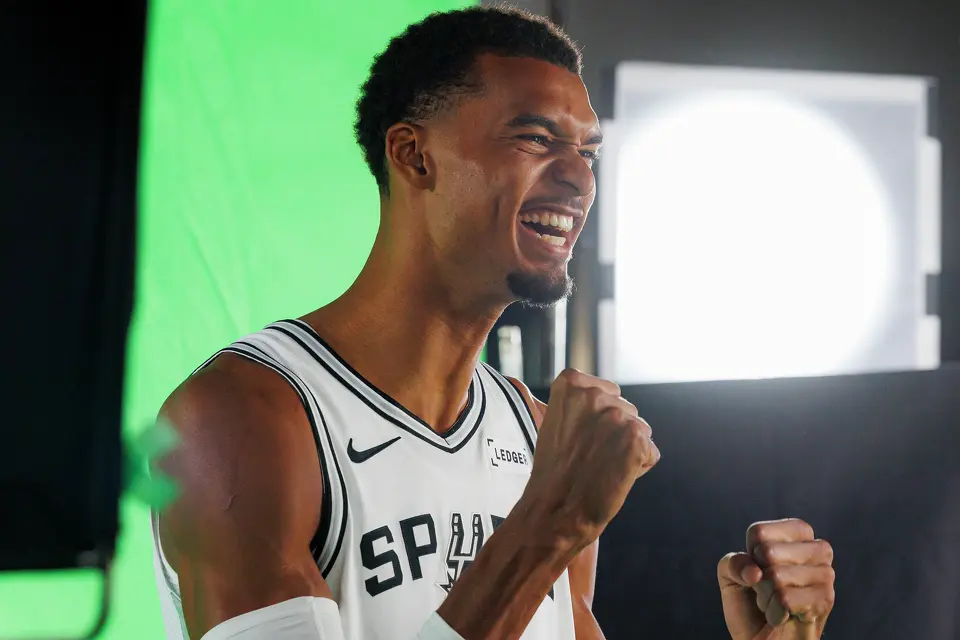
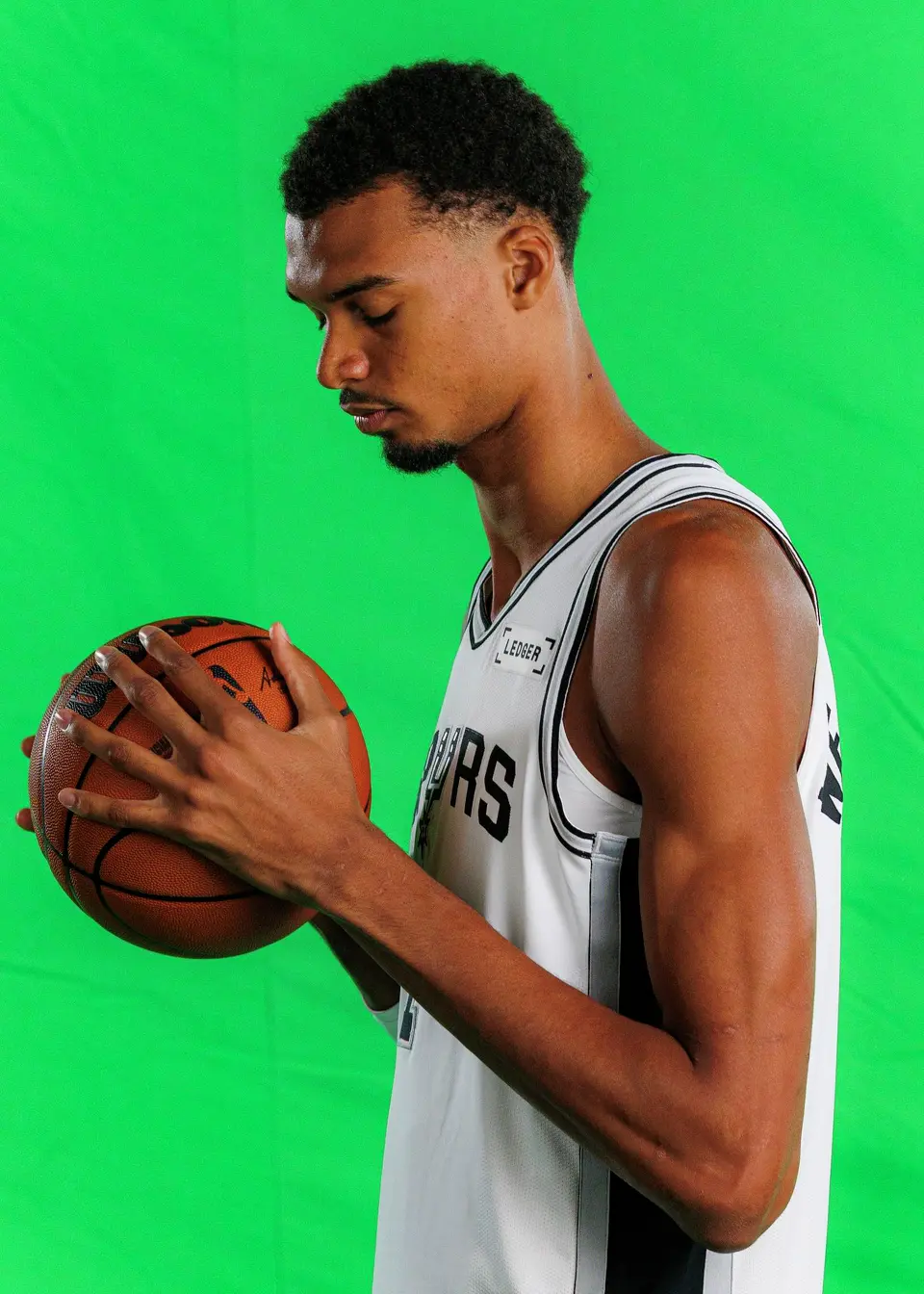
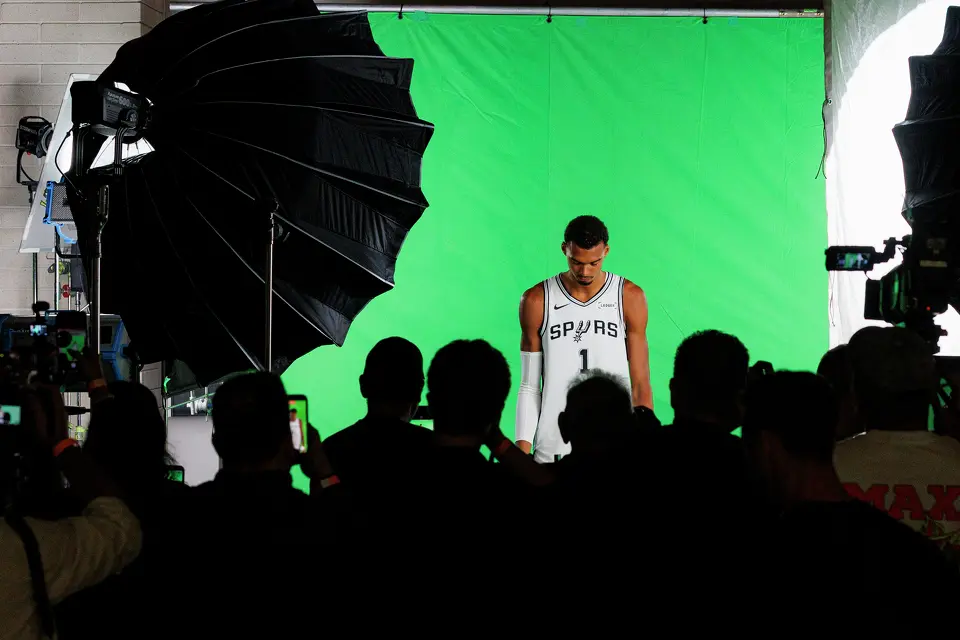
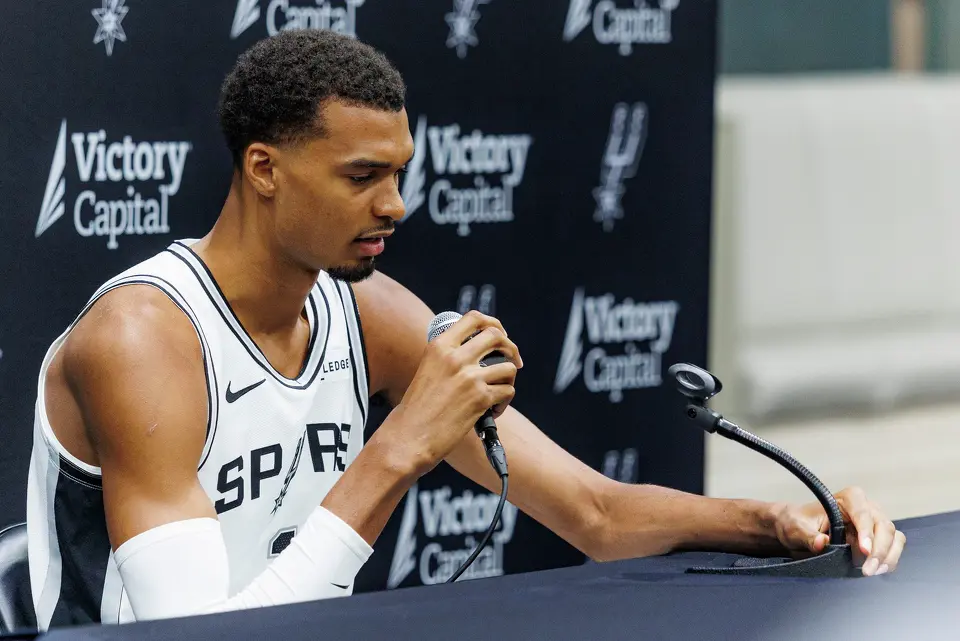
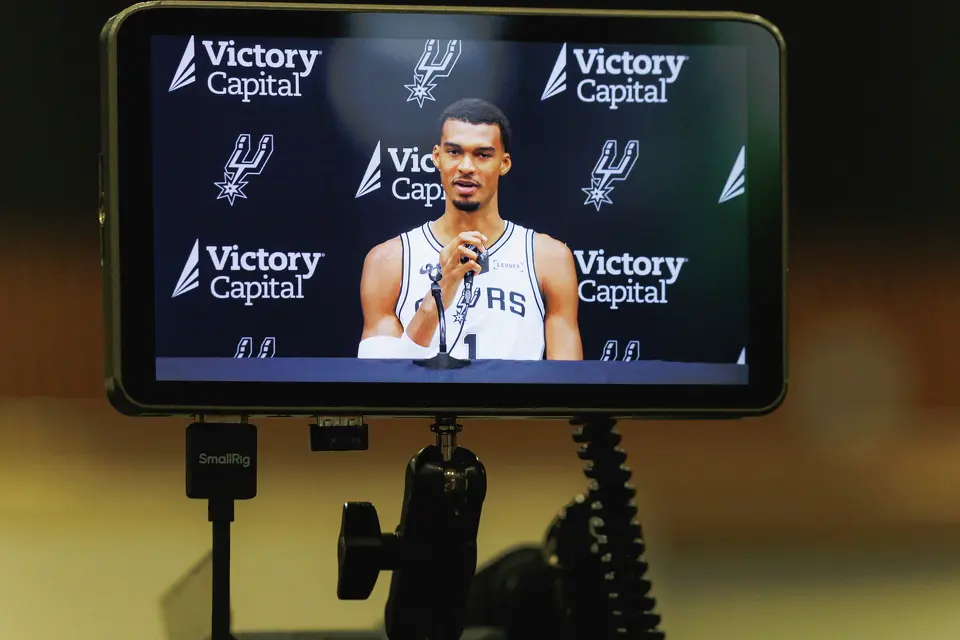
2026年9月28日,星期一,在圣安东尼奥的胜利资本训练中心,圣安东尼奥马刺队的维克托·文班亚马(1号)在该NBA球队的媒体日活动中配合视频拍摄。
那些短暂的停顿总能唤起人们的回忆。它们发生在一问一答之间那短短的两三秒钟里——此时,端坐在马刺队标背景板前的人正在权衡自己能说多少。
或者说,他应该说多少。抑或是,什么都不说是否会更稳妥。
过去坐在这个位置上的是另一个人,一位年长的长者,他从不在乎是否会得罪别人,无论对方是身家百万的同行还是买票入场的球迷。那是一个认定有些话人们必须得听的人,无论他们是否愿意倾听。
在那些短暂停顿中,这位长者偶尔会觉得,讲出自己心中的真理是值得的。有时他会因此招致非议,但他深知自己发声的力量。
如今,渐渐地,一个年轻人也正在领悟属于他自己的发声力量。就社会活动家这一身份而言,维克托·文班亚马 (Victor Wembanyama) 目前还无法比肩格雷格·波波维奇 (Gregg Popovich)。这位马刺的新当家球星虽然涉足社会议题的评论,但迄今为止,并未像他的前任主帅那样表现出强烈的政治倾向。
在球队季前赛开幕的媒体日上,当被问及用法语回答的中期选举话题时,文班亚马用母语沉思着表示,美国是“一个普通人生活颇为艰难的国家,很多事情都超出了(他的)理解范畴”。
但在本周晚些时候,当勇敢的当地报纸专栏作家询问文班亚马是否会考虑代言体育博彩公司时?这是一个他在道德层面上理解得相当透彻的议题。
就在提问与回答之间的短暂停顿里,你能看到他像当年的波波维奇那样字斟句酌。
“绝不,”文班亚马说,“我绝对不会做那种事。”
他原本说到这里就可以打住了。仅凭这句话,就足以对这项日益泛滥成灾的行业构成一次引人注目的声讨。而且,这大概率也不会冒犯到任何人。
但要真正把观点挑明,有时你就必须让一些人感到难堪,哪怕其中一些人正是你长期以来公开表达过钦佩的偶像。哪怕让他们难堪可能会让你树敌。
“坦白说,看到一些球员去推广(体育博彩),我觉得非常可悲,”文班亚马继续说道,“每个人都可以随心所欲,但我绝不参与。”
他不可能不知道自己在做什么。在与FanDuel、DraftKings、Polymarket和Kalshi这类博彩平台沆瀣一气的众多运动员中,就包括了未来的名人堂成员勒布朗·詹姆斯 (LeBron James)、扬尼斯·阿德托昆博 (Giannis Antetokounmpo) 和凯文·杜兰特 (Kevin Durant)。
文班亚马不仅是在表明自己个人决定不代言比赛博彩。他更是在直言,他的一些最强劲的对手们同样不应该这样做。
周五,当《休斯敦纪事报》的一位记者向杜兰特询问对这些言论的看法时,这位火箭队前锋起初试图打个圆场敷衍过去。
“那就是文班,”杜兰特说,“他想怎么做就怎么做。那跟我毫无关系。我根本不去想那个问题(关于运动员是否应该代言体育博彩)。我脑子里可没有像他那样总惦记着这件事。”
但等一下。在同意与FanDuel签下那笔收益丰厚的代言协议之前,杜兰特难道就没有考虑过这个问题吗?
“你是说,比如道德层面的考量吗?”杜兰特说,“关于推广赌博?就像我说的,大家在这个联盟里都是想干嘛就干嘛。但确实,我没想过这事。”
不去想这层关系,或许数起钞票来确实更心安理得。正如杜兰特所言,如果他真的去思考过“道德层面”,他就不得不面对这样一个现实:他从FanDuel拿到的每一分钱,都是他某位球迷输掉的血汗钱。
这就是为什么体育博彩赞助如此具有侵蚀性,且与普通的代言合同截然不同。
没错,你可以辩称没有哪家市值数十亿美元的跨国巨头是完全道德高尚的。是的,你也可以说文班亚马通过与耐克等品牌合作,同样是从一家数十年来因海外劳工薪酬问题饱受诟病的公司身上获利。
但核心区别在于:要让文班亚马的耐克广告大获成功,需要大批观众看到广告并花钱购买耐克产品。到头来,球迷们至少还能落下一双球鞋。
而要让杜兰特的FanDuel广告取得成效,则需要大批观众看到广告后,在FanDuel上下注,然后输掉他们的钱。当然,有些人会小赢几把。但如果普通大众赢的钱多于输的钱,FanDuel早就关门大吉了。
这听起来可能像是在进行道德说教。也许这令人反感。但是,一个身家数千万的职业运动员(球迷们买球票、买周边、买流媒体订阅,早已让他赚得盆满钵满),通过劝说这些深爱他的球迷把剩下的薪水挥霍在注定会输掉的赌局上,以此来给自己的银行账户再添几百万美元,这种做法根本无法在道德上自圆其说。
在文班亚马公开发声后,不出所料地引来了一些人的反弹,指责他是在“作秀”。我一直不太能理解这种所谓的侮辱性指控。
我们难道不都更需要一些“作秀式”的道德坚守吗?哪怕这仅仅是为了提醒世人道德依然存在。如果一名运动员或教练积累了常人难以企及的惊人财富(正如文班亚马和波波维奇所拥有的那样),而聚光灯和麦克风每天都怼在他们脸上,那么借助这一平台进行“作秀”,难道不是他们能对这平台做出的最有价值的使用方式之一吗?
为公益事业捐款固然令人钦佩。不可否认,杜兰特、詹姆斯和阿德托昆博在慈善方面都有着光鲜亮丽的履历。尤其是詹姆斯,在积极为社会公益事业发声方面从未有过丝毫避讳。
但随着文班亚马逐渐找到属于自己的发声力量,他将如何使用这种力量是不可限量的。今年一月,当被问及联邦探员枪杀两名明尼苏达州居民的事件时,文班亚马表示他感到“毛骨悚然”,并直言“有些人竟然试图让这种事显得合情合理,让谋杀平民显得合情合理,这简直不可理喻”。
周四,当一位法国记者问他,作为一名“手握巨大软实力的年轻黑人男性”,是否愿意对法国总统大选发表看法时,文班亚马用母语回答说,“身为年轻黑人对很多人都影响深远”,但在他“所处的特权社交圈子”里,这并不会每天都波及到他。
“未来我是否会在那个层面上发挥作用?”文班亚马在谈到推动政治变革时用法语说道,“是的,我很确定会有那一天。但当下,我首先是在完善自我人格,我很庆幸自己目前还没有深陷于那些沉重的责任之中。”
就现阶段而言,他的职责是属于他的球队,以及他的球迷的。但这份职责的内涵,远不止于赢得比赛。
而当他坐在马刺队标背景板前,在那提问与回答之间的两三秒停顿里?
他正在仔细权衡着自己能说什么,与自己应该说什么之间的界限。
正如坐在他身前的上一任领袖曾经做过的那样。
由生成式 AI 翻译,译文内容可能不准确或不完整,以原文为准。
查看原文:Victor Wembanyama is finding his voice, as Gregg Popovich once did
Victor Wembanyama is finding his voice, as Gregg Popovich once did
San Antonio Spurs’ Victor Wembanyama (1) poses for a video shoot during the NBA basketball team’s media day at the Victory Capital Performance Center in San Antonio, Monday, Sept. 28, 2026.
The little pauses bring back memories. They come during the two or three seconds between a question and an answer, while a man seated in front of a Spurs banner considers how much he can say.
Or how much he should say. Or whether it would be safer not to say anything at all.
In that seat used to be a different man, an older one who didn’t mind ticking folks off, whether they were fellow millionaires or paying customers. A man who decided there were certain things people needed to hear, whether they wanted to hear them or not.
Occasionally during those pauses, that man reckoned it was worth it to speak what he believed to be the truth. Sometimes he caught grief for it, but he understood the power of his own voice.
Now, little by little, a younger man is learning the power of his. As an activist, Victor Wembanyama isn’t Gregg Popovich yet. The Spurs’ new franchise player dabbles in social commentary, but thus far has stopped short of becoming as overtly political as his former coach was.
At the team’s preseason-opening media day, when asked in French about the midterm elections, Wembanyama mused in his native language that the United States is “a country where life is difficult for the average citizen, and there are many things that are beyond (his) understanding.”
But later in the week, when your intrepid local newspaper columnist asked Wembanyama if he’d ever consider promoting a sports betting company? This was an ethical subject he understood quite well.
And in that little pause between the question and his answer, you could see him choosing his words the same way Popovich used to do.
“Absolutely not,” Wembanyama said. “I would never do that.”
He could have stopped there. That alone would have been a notable rebuke of an industry that is becoming an all-encompassing scourge. And it probably wouldn’t have offended anybody.
But to really drive a point home, sometimes you have to make people uncomfortable, even if some of those people are the same icons for which you’ve expressed longtime admiration. And even if making them uncomfortable might turn them into enemies.
“Honestly, I think it’s very sad to see some players promote (sports betting),” Wembanyama went on. “Everybody does whatever they want, but without me.”
He had to know what he was doing. Among the many, many athletes who’ve jumped into bed with the likes of FanDuel, DraftKings, Polymarket and Kalshi are future Hall of Famers LeBron James, Giannis Antetokounmpo and Kevin Durant.
Wembanyama wasn’t just saying he made an individual decision not to endorse betting on games. He was saying that some of his fiercest competitors shouldn’t do it, either.
On Friday, when a Houston Chronicle reporter asked Durant about those remarks, the Rockets forward initially tried to play it off.
“That’s Wemby,” Durant said. “He’s going to do what he does. That has nothing to do with me. I don’t really think about that question (about whether athletes should endorse sports betting) at all. It’s not really on my mind as much as his.”
But wait. Had Durant ever considered that question before agreeing to his lucrative endorsement with FanDuel?
“Of, like, the moral aspect?” Durant said. “Of promoting gambling? Like I said, everybody’s going to do what they want to do out here. But no, I didn’t think about it.”
Not thinking about it probably makes it easier to cash the checks. If Durant did ponder the “moral aspect,” as he put it, he probably would have to grapple with the idea that every dollar he receives from FanDuel is a dollar one of his fans lost.
This is why the sports betting sponsorships are so corrosive, and so different than typical endorsement deals.
Yes, you can make a case that no billion-dollar corporation is moral. Yes, you can make a case that by working with a brand like Nike, for instance, Wembanyama is profiting off of a company that for decades has faced criticism about its compensation of overseas workers.
But here’s the thing: For Wembanyama’s Nike ad campaign to be successful, a bunch of people need to see the commercials and spend their money on Nikes. In the end, they at least wind up with a pair of shoes.
For Durant’s FanDuel ad campaign to be successful, a bunch of people need to see the commercials, make a bunch of FanDuel bets, and lose their money. Some will win a little, of course. But if the average guy won more than he lost, FanDuel would go out of business.
This might sound like moralizing. Maybe that’s annoying. But there is no way for a multimillionaire athlete (who’s already been enriched by fans paying for tickets and gear and streaming services) to rationalize padding his bank account with even more millions by convincing those same fans to blow the rest of their paychecks on bets they’re bound to lose.
After Wembanyama spoke up, there was predictable pushback from people accusing him of being “performative.” I’ve never quite understood that supposed insult.
Couldn’t we all use a little more “performative” ethics, if only to remind the world that ethics still exist? If an athlete or a coach accumulates an absurd amount of wealth, as both Wembanyama and Popovich have, and if people shove microphones in their faces every day, isn’t being “performative” one of the most worthwhile ways they can use that platform?
Donating money to good causes is wonderful. To be sure, Durant and James and Antetokounmpo all have sparkling track records of charity work. And James, especially, has not been shy about being vocal in embracing social causes.
But as Wembanyama finds his voice, there are no limits to how he might use it. Last January, when asked about the killings of two Minnesota residents by federal agents, Wembanyama said he was “horrified,” calling it “crazy that some people make it sound like it’s acceptable, like the murder of civilians is acceptable.”
On Thursday, when a reporter from France asked if he would like to weigh in on the presidential election there as a “young, Black man with significant soft power in his hands,” Wembanyama replied in his native language that “being young and Black is impactful for many,” but doesn’t affect him every day in his “sphere of privileged social circles.”
“Will I have a role to play in the future at that level?” Wembanyama said in French about affecting political change. “Yes, I’m sure of it. But today, I’m first building myself as a person, and I consider myself lucky not to be too caught up in those responsibilities.”
For now, his responsibilities are to his team, and to his fans. But that can be about more than winning games.
And when he’s seated in front of that Spurs banner, in those two or three seconds between a question and his answer?
He weighs what the difference between what he can say, and what he should.
Like the man before him did.
By Mike Finger / San Antonio Express-News