By Mike Finger, Columnist | San Antonio Express-News (SAEN), 2025-10-16 15:25:36
由生成式 AI 翻译,译文内容可能不准确或不完整,以原文为准。
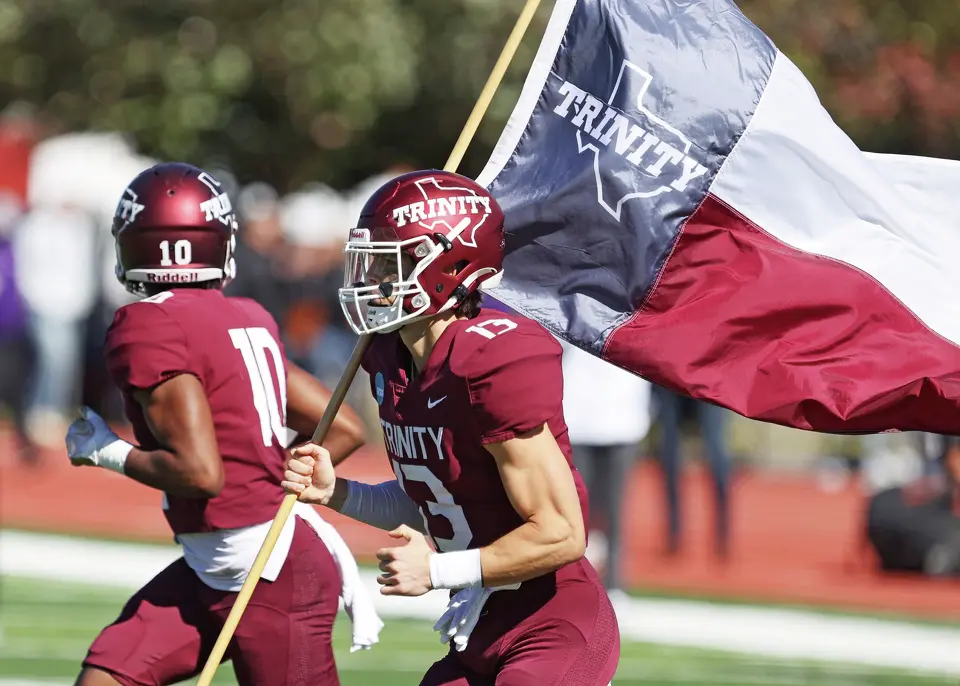
2022年11月26日,星期六,在德克萨斯州圣安东尼奥的三一大学体育场,NCAA D-III 级别季后赛对阵玛丽·哈丁-贝勒大学的比赛前,外接手瑞安·梅里菲尔德 (Ryan Merrifield) (13号) 带领三一大学橄榄球队入场。
他们从始至终都在虚张声势。
我们大多数人都清楚这一点,因为这个 bluff (虚张声势) 算不上高明,即便他们试图让其听起来冠冕堂皇。十二年前,十大联盟 (Big Ten) 的主席甚至在一份联邦法院声明中抛出了这个诡计,就“如果允许大学运动员分享电视转播收入会发生什么”做出了一个如今看来极其可笑的预测。
“我一直坚信,在这种情况下,十大联盟的学校会放弃这些收入,转而采取措施缩减其体育项目的规模、广度和活动范围,”吉姆·迪拉尼 (Jim Delany) 在一份2013年的法庭文件中写道。“‘为比赛付费’的模式之外,存在多种替代方案,例如 D-III 级别模式。”
如今,这段话看起来比当时更加荒谬,但我们有必要回顾一下,当时作为大学体育界最有权势的人物之一的迪拉尼,究竟在说什么。
他的虚张声势是这样的:如果法院最终裁定学校必须分享哪怕一小部分他们通过转播橄榄球和篮球比赛所产生的数十亿美元收入,那么这些学校就会直接拒绝这笔钱。他们会退出电视转播协议,他们会停止发放体育奖学金。
他们说,这一切都是为了比赛的纯粹性。
而当像密歇根大学、俄亥俄州立大学和宾夕法尼亚州立大学这样的橄榄球豪门来到德克萨斯州时,他们比赛的地点将不是奥斯汀,而是圣安东尼奥。并且不是在市中心的阿拉莫穹顶体育场 (Alamodome),而是在舒克大道 (Shook Avenue) 上那个朴素得多的体育场里。
对阵三一大学 (Trinity)。
迪拉尼真的指望有人会把这个威胁当真吗?这并非对三一大学有任何不敬——它是一所享誉全美的学术机构,在 D-III 级别体育领域拥有悠久的成功历史——但我们难道真的应该相信,老虎队 (The Tigers) 会发现自己将要对阵那些培养出汤姆·布雷迪 (Tom Brady)、阿奇·格里芬 (Archie Griffin) 和萨克恩·巴克利 (Saquon Barkley) 的球队吗?
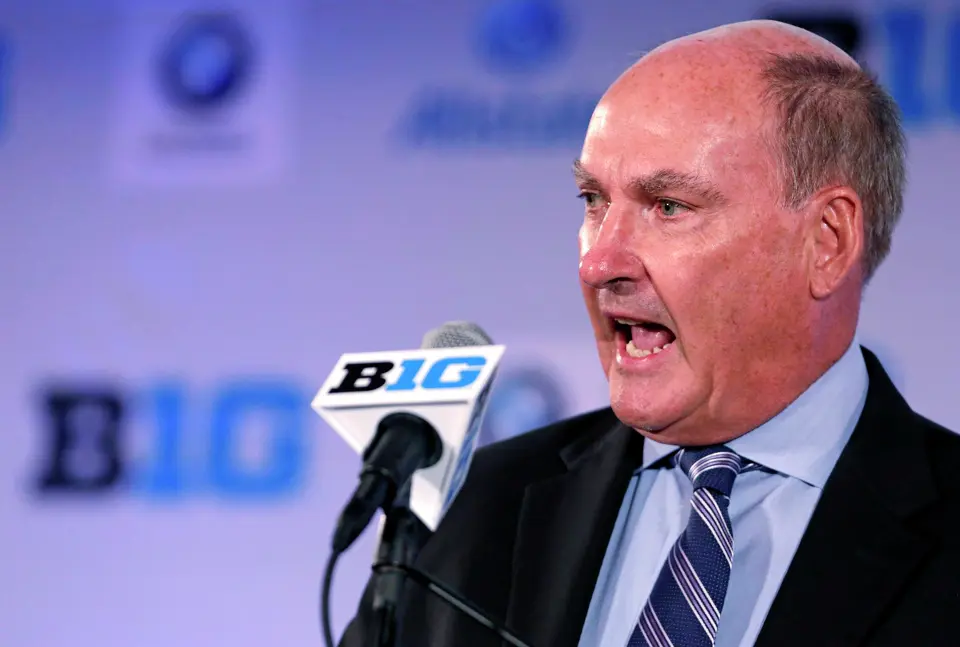
在这张2013年7月24日的资料照片中,十大联盟主席吉姆·迪拉尼在芝加哥举行的十大联盟橄榄球媒体日新闻发布会上发表讲话。迪拉尼于2014年6月20日星期五,在前UCLA篮球明星埃德·奥班农 (Ed O’Bannon) 等人提起的具有里程碑意义的反垄断诉讼中作证时表示,向球员付薪的想法违背了整个大学体验,他无法想象联盟成员会同意此事。他说,如果允许向球员付薪,他的联盟很可能会不复存在,玫瑰碗 (Rose Bowl) 比赛可能也将无法举行。(美联社照片/M. Spencer Green,资料图)
这绝无可能发生,所以它当然也没有发生。
NCAA 在联邦法官面前和公众舆论的法庭上节节败退,但密歇根大学、俄亥俄州立大学、宾夕法尼亚州立大学以及所有其他学校,并没有像迪拉尼发誓的那样,对金钱置之不理。
恰恰相反,他们追求起了更多的钱。姓名、形象和肖像权 (NIL) 补偿变得合法,收入分成也成为了这片土地上的法则,但这并不意味着学校付给教练的钱变少了。正相反,教练的薪水持续飙升,尤其是那些拿着薪水却根本不用执教的教练。
2023年被德州农工大学解雇的金博·费舍尔 (Jimbo Fisher),甚至无需离开自家厨房,就能源源不断地收到农校生队 (the Aggies) 欠他的7600万美元买断合同支票。上周被宾夕法尼亚州立大学解雇的詹姆斯·富兰克林 (James Franklin),日子就没那么轻松了。
根据他的合同,他必须“努力寻找”另一份工作,并做出“真诚的努力”以获得“最高合理薪水”,从而冲抵尼塔尼雄狮队 (the Nittany Lions) 在未来五年半内欠他的约5000万美元。
现在,尚不清楚在领英 (LinkedIn) 上发布一份简历是否算得上是努力寻找。但即便他需要亲自开车去 Foot Locker 面试几趟,富兰克林的工作也算是相当不错了。
当然,学校继续向教练支付如此高昂的薪水是疯狂的,尤其是在这个时代,像德州理工大学这样的新兴力量——凭借其5500万美元的球员薪资阵容,保持不败并跻身前十——正在证明,当钱花在运动员身上时,可以产生比给那些发号施令的家伙们更好的回报。
但这些学校就是情不自禁。本月来自十大联盟的另一则新闻提醒着我们,为了让收入——以及支出——持续流动,他们愿意做到何种地步。
据ESPN报道,十大联盟正在商讨一项协议,该协议将引入约20亿美元的私募资本,以换取联盟媒体转播权的股权,ESPN的一位消息人士将其描述为“一小部分财务股份”。
啊,是的。古老的“接受一大笔私募资本,并相信最终一切都会顺利”策略,这可是一个久经考验、从未在任何人面前搞砸过的商业策略,对吧?这就像体育用品店老板在与托尼·索普拉诺 (Tony Soprano) 合伙时说服自己的那套说辞。
在这种情况下,更冷静的头脑或许会占上风。在首篇新闻报道两周后,ESPN周二报道称,在密歇根大学和南加州大学 (USC) 的董事们对该计划提出“一致的质疑”后,这项私募资本交易“正面临阻力”。
所以,十大联盟付给其教练们——无论是仍在工作的还是赋闲在家的——的薪水比以往任何时候都多。它通过与创造收入的球员分享部分收益来遵守新规。而且,它或许还能找到一种方法,在不出售任何股权的情况下,让这一切继续运转下去。
谁能想到呢?这简直就像是,赚钱——而非比赛的纯粹性——从一开始就是他们的主要目标。
但如果密歇根、俄亥俄州立或宾州州立大学有朝一日改变主意了呢?他们仍有机会证明迪拉尼并非在虚张声势。
在三一大学,老虎队正等着呢。
狼獾队 (The Wolverines) 随时恭候大驾。
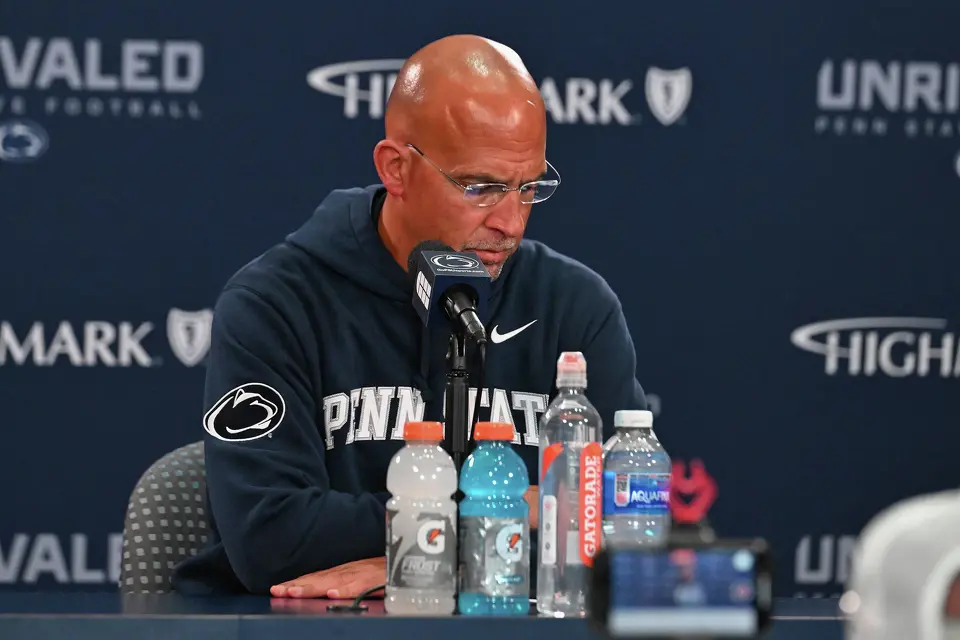
Penn State head coach James Franklin reacts during a press conference following an NCAA college football game against Northwestern, Saturday, Oct. 11, 2025, in State College, Pa. (AP Photo/Barry Reeger)
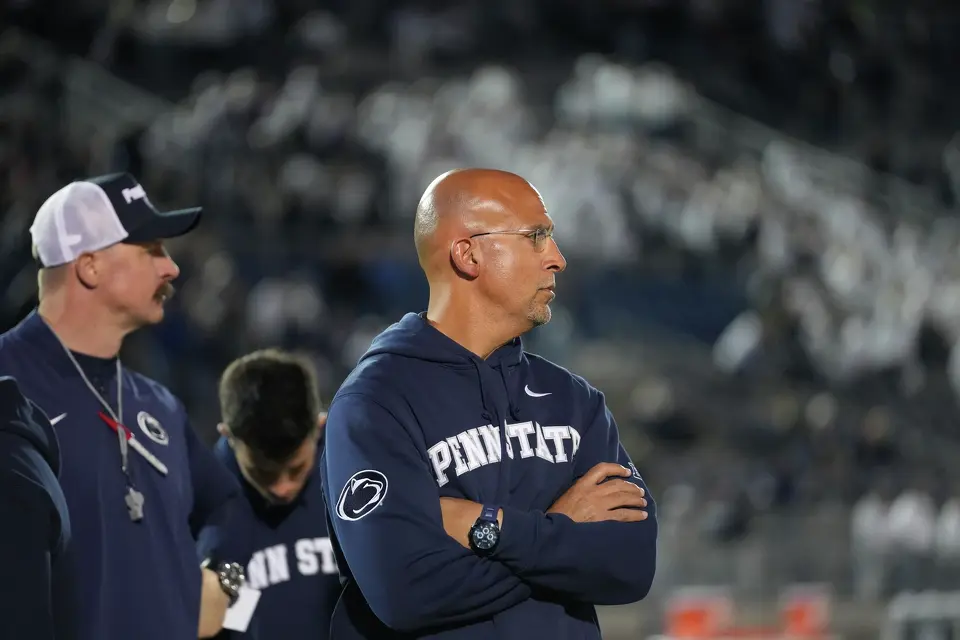
Penn State’s head coach James Franklin reacts following an NCAA college football game against Northwestern, Saturday, Oct. 11, 2025, in State College, Pa. (AP Photo/Sam Balkansky)
点击查看原文:Paying athletes too costly for Big Ten? Trinity, Division III waiting
Paying athletes too costly for Big Ten? Trinity, Division III waiting
Wide receiver Ryan Merrifield (13) leads the Trinity football team onto the field prior to the NCAA Division 3 playoff game against Mary Hardin-Baylor Saturday, Nov. 26, 2022, at Trinity Stadium in San Antonio, Texas.
They were bluffing all along.
Most of us knew this, because it wasn’t a particularly good bluff, even if they tried to make it sound official. Twelve years ago, the commissioner of the Big Ten went so far as to slip the ruse into a federal court declaration, making a truly laughable prediction about what would happen if college athletes were allowed to share television revenues.
“It has been my longstanding belief that the The Big Ten’s schools would forgo the revenues in those circumstances, and instead take steps to downsize the scope, breadth and activity of their athletic programs,” Jim Delany wrote in a 2013 court filing. “Several alternatives to a ‘pay for play’ model exist, such as the Division III model.”
That paragraph looks even more ludicrous now than it did then, but it’s worth remembering what Delany, who at the time was one of the most powerful men in college sports, was saying there.
This was the bluff: If courts ever made schools share even a sliver of the billions of dollars they were generating from televising football and basketball games, the schools would just turn the money down. They’d opt out of TV deals. They’d stop giving out scholarships.
It was about the purity of the game.
And when glamour football programs like Michigan, Ohio State and Penn State came to Texas, they’d play not in Austin, but in San Antonio. And not downtown at the Alamodome, but at the much more modest stadium on Shook Avenue.
Against Trinity.
Did Delany expect anyone to take this threat seriously? This is nothing against Trinity — a nationally renowned academic institution with a long history of Division III athletic success — but were we supposed to believe the Tigers really would find themselves taking on the programs that produced Tom Brady, Archie Griffin and Saquon Barkley?
In this July 24, 2013, file photo, Big Ten Commissioner Jim Delany speaks at a news conference during the Big Ten conference football media day in Chicago. Delany, who testified Friday, June 20, 2014, in a landmark antitrust suit brought by former UCLA basketball star Ed O’Bannon and others, said the idea of paying players goes against the entire college experience and he couldn’t see league members agreeing to it. If players were allowed to be paid, he says his conference likely would cease to exist and the Rose Bowl probably would not be played. (AP Photo/M. Spencer Green, File)
There was no way that would happen, so of course it didn’t.
The NCAA kept losing arguments, in courts with federal judges and in courts of public opinion, but Michigan, Ohio State, Penn State and all the other programs did not walk away from the money, the way Delany swore they would.
Instead, they pursued even more of it. Name, image and likeness (NIL) compensation became legal, and revenue-sharing became the law of the land, and it did not mean schools paid coaches less. On the contrary, salaries kept soaring, especially for coaches who were paid not to coach at all.
Jimbo Fisher, fired from Texas A&M in 2023, never has to leave his kitchen to collect the steady stream of checks from the $76 million buyout the Aggies owe him. James Franklin, fired by Penn State last week, doesn’t have it quite as easy.
According to his contract, he has to “diligently search” for another job and make “good faith efforts” to obtain “the maximum reasonable salary” to offset the estimated $50 million owed to him by the Nittany Lions over the next five and a half years.
Now, it’s unclear if posting a résumé on LinkedIn counts as a diligent search. But even if he has to drive himself to a few interviews at Foot Locker, Franklin has a pretty good gig.
Sure, it’s crazy for schools to keep paying coaches that much, especially during an era in which upstart programs like Texas Tech — undefeated and ranked in the Top 10 with its $55 million player payroll — are proving that money can produce better returns when it’s spent on the athletes than when it’s given to the guys calling plays.
But the schools can’t help themselves. And another story from the Big Ten this month offers a reminder of how far they’re willing to go to keep the revenue — and the spending — flowing.
According to ESPN, the Big Ten is discussing a deal that would add an estimated $2 billion in private capital in exchange for equity in conference media rights, described by one ESPN source as a “small financial stake.”
Ah, yes. The old “accept a bunch of private capital and trust that everything will work out in the end” is a tried-and-true business strategy that never has blown up in anyone’s face, right? It’s not unlike what the sporting goods store owner told himself when he became partners with Tony Soprano.
In this case, cooler heads might prevail. Two weeks after its initial news story, ESPN reported Tuesday that the private capital deal “is facing headwinds” after trustees at Michigan and USC brought up “unified questions” about the plan.
So the Big Ten is paying its coaches — those working and those at home — more than ever. It’s complying with the new rules by sharing some of the revenue with the players who generate it. And it might find a way to keep all this going without selling off any of its equity.
Who knew? It’s almost as if making money — and not the purity of the game — was the main objective all along.
But if Michigan, Ohio State or Penn State ever change their minds about? There’s still a chance for them to prove Delany wasn’t bluffing.
Over at Trinity, the Tigers are waiting.
The Wolverines are welcome any time.
By Mike Finger, Columnist, via San Antonio Express-News